An L of a day

Our lemon tree has produced a bumper crop this year. So, although it is nearing the end of the season, we still have plenty of fruit ripening on the tree. We always give some of the fruit away to family and friends and put the balance to good use in our kitchen, including with crepes and sugar, as part of a poaching liquid for pears, lemon delicious pudding and, in bulk quantities, to make jars of preserved lemons.

This season, we found ourselves with a stockpile of preserved lemons, so we decided to make some lemon cordial together for the first time. The first batch was delicious, diluted one part cordial to about five parts sparkling mineral water. So delicious, in fact, that Maggie’s thoughts soon turned to how well it would work with gin!

Next day, we made another two batches (and we will make a final batch later today). Some of these bottles will become festive season gifts; the balance will keep us refreshed during the summer months.
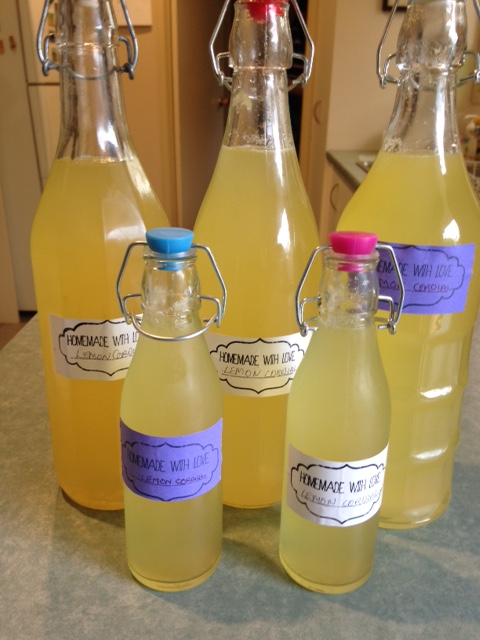
cordial

Here is the recipe’s method, which assumes that you have access to fresh lemons that have not been waxed. By ‘large’, I mean lemons that average about 9-10cm long.

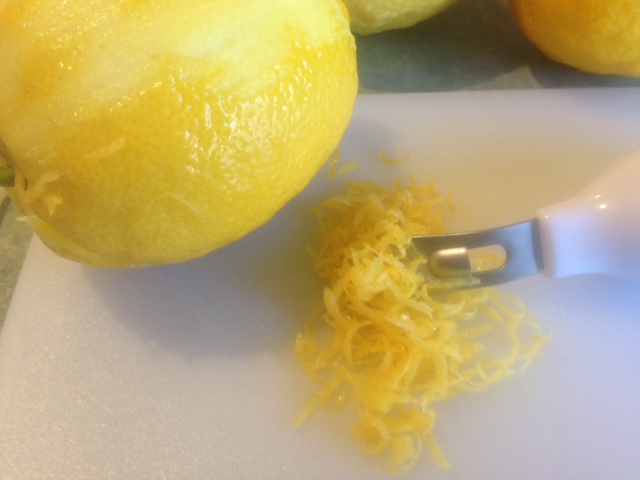
The zest is important both for colour and, to a lesser extent, for flavour. To remove the lemon zest, Maggie uses this stainless steel device attached to a handle:

cordial-2   cordial-3

  1. Zest five large lemons (or equivalent in smaller fruit)
  2. Juice the zested lemons and extra lemons to produce about 650ml of juice. Remove any visible pips.
  3. Put the zest in a stainless steel pan with 650g regular white sugar and 500ml (2 cups) of water
  4. Heat slowly, stirring gently, until the sugar has dissolved, then bring to the boil.
  5. Add 550ml of the squeezed juice to the pan (the extra 100ml or so of the juice will contain many small bits of detritus) and bring just back to a simmer. Remove from the heat
  6. Strain the cordial through a sieve that is fine enough to capture all the zest
  7. Use funnel/jugs/etc to pour the cordial into clean bottles

It is still Spring here in Melbourne, the best season for eating dishes made from lamb. In between the second and third batches of cordial, we prepared a pot of Abbacchio alla Romana, which is often made with pieces of lamb shoulder. We prefer to use lamb shanks – in season the meat is almost as tasty as from the shoulder and there is less fat. I have previously published the recipe as Capretto alla Romana, made using shoulder pieces of goat; otherwise it is exactly the same.

We took the lamb shanks off the heat before they were ready to serve; this dish was destined for our table a couple of days later.

After we had bottled the next batch of cordial, we prepared an evening meal to share with a couple of friendly neighbours: a main course of Navarin of lamb, followed by a dessert of lemon delicious pudding. It was all lip-licking lovely!

Posted in Cooking | Tagged , , , , | Leave a comment

How to choose a red wine


coq-au-vin-recon


In June last year, Maggie and I spent three days grazing our way around the Barossa Valley in South Australia. Along the way, I reconnected with Rockford, my long-ago favourite winery in this iconic region. Later in the year, we received Rockford’s annual mail-order selection. We chose six of the wines and bought two of each, making up enough for one carton to be delivered to our door.

The 2016 order form and newsletter arrived a couple of weeks ago and we sat down to decide what we would order. We knew that we would like to buy some bottles of three of the wine types we had bought in 2015; and not buy two of the other three. But we couldn’t recall how much we had enjoyed the sixth wine, a blend of Grenache, Mataro (Mouvedre) and Shiraz; aka hereabouts as GSM. (This blend is most famous for being produced in the Chateau Neuf du Pape wine appellation in the southern Rhone valley.)

We still had one of the two bottles left from 2015. But we couldn’t just open it for the sake of deciding whether or not to replace it, could we? These are quality wines, not cheap-thrills cleanskins! We had to make it worth the expense. What better way than to cook a meal of ‘coq au vin’, which calls for a flavoursome red wine in the cooking process?

Except for the fact that, in our kitchen, it usually takes many hours, spread across three successive days, to make coq au vin. That was not a realistic option; we had quite a lot on our plate already. So, we decided to prepare what food fashionistas might call a ‘deconstructed’ coq au vin, using an ovenproof, heavy-based, non-stick frying pan (skillet), with the lid on or off at various stages to mimic a pot roast. (We’ve used this cooking method a few times lately, trying to amuse ourselves while we wait for warm weather.)

The key ingredients for your regular coq au vin are: chicken on the bone; bacon or similar; onion or similar; mushrooms; herbs; red wine; and chicken stock. We used a whole spatchcock, with fresh herbs stuffed into its cavity; a piece of kaiserfleisch, cut into batons; a clove of garlic and the white part of a leek, sliced; flavoursome button mushrooms, sliced; a little butter; and about 1/2 a cup each of chicken stock and the candidate wine.

In summary form, the method went something like this, approximately!

  1. Preheat oven to no more than 150C
  2. Heat the pan, reduce heat to low, add the batons of kaiserfleisch, place the lid on and gently render at least half of the fat. Remove the batons and reserve; use paper towel to remove most of the fat.
  3. Melt some butter – about half as much as if you were going to cook to completion – add the leek and garlic and saute for about 3 minutes. Add the mushroom and saute for a further 3 minutes. Add the cooked batons and half of the wine and stock, bring to a simmer and cook for a couple of minutes. Move the mixture to make room in the centre of the pan for the spatchcock (skin seasoned with salt and pepper).
  4. Put the spatchcock breast-side up in the pan, place the lid back on the pan and transfer it to the oven.
  5. Bake for about 30 minutes. After each 15 minutes, tip the spatchcock so the juices empty from its cavity into the pan.
  6. Remove the lid, add the remaining stock and wine and cook, uncovered for a further 15 minutes to brown the skin of the chicken and thicken the mixture of vegetables and liquids.

The result was delicious. So was the wine – we’ve ordered three bottles of the latest release!

Posted in Cooking | Tagged , | Leave a comment

Some days, all your soul needs is a pair of pretty roses


rose-2016-2


These two rose flowers came from the same bush, growing close to our front door. Most roses are high maintenance but this one has been particularly needy for all of its life – eight years so far. It has routinely suffered from a multitude of diseases and pests and, whenever a northerly wind blows hard into the front of our house, the long thorns on its stems shred its leaves. In heated despair, I have resolved to dig it out more than once!

However, I could never quite bring myself to do the deadly deed.

Then, a couple of years ago, I finally managed to get a bit of height into its trunks, the disease level abated, its flowers became progressively profuse and complex and I pruned smarter to limit the wind damage.

The flowering season has started late, owing to Melbourne’s longest, coldest and wettest winter for many years. But, as you might agree, the wait has been worth it in the case of this rose. A name? Not sure, but Presidential pardon would be sweetly apt.

rose-2016-1

Posted in Home life | Leave a comment

Amsterdam: accessible, interesting, relaxed and enjoyable

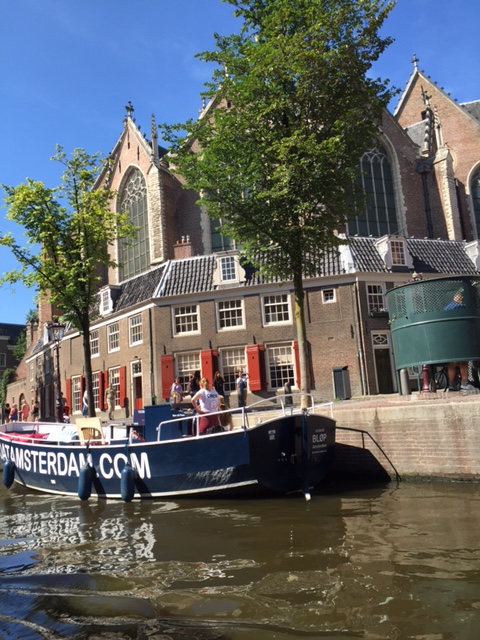
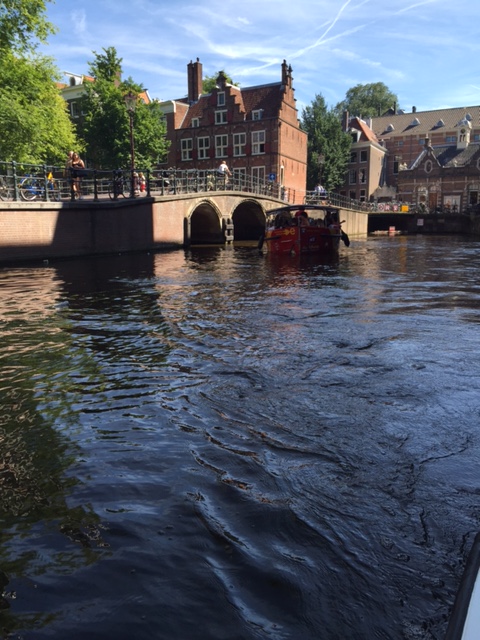
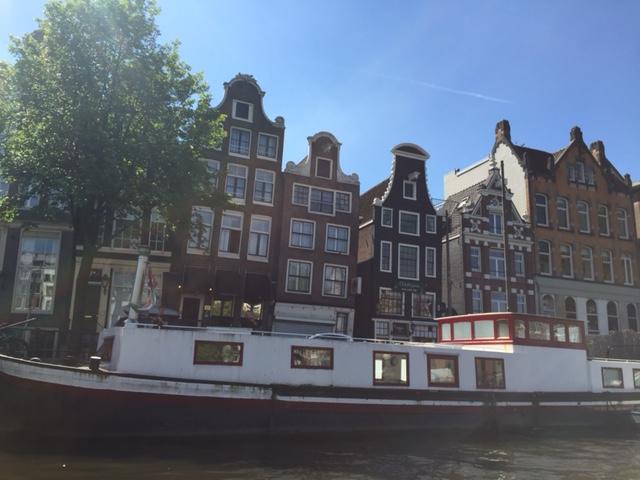
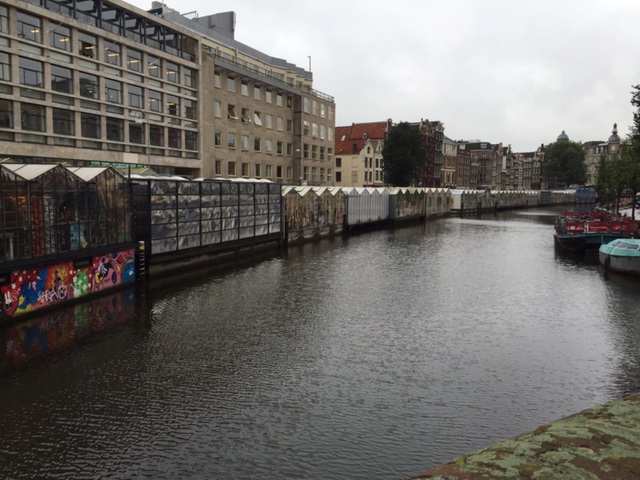
Our recent travels in Europe began with three full days in Amsterdam. Our accommodation was located in one of the older districts of this famous city, giving us efficient access to the main sights by a combination of the frequent trams and easy walking across the flat terrain. Walking is made even more pleasurable by the fact that there is so little vehicular traffic; you are more likely to be knocked over by a cyclist than a motorist!

Walking is a great way to explore Amsterdam – viewing canals, discovering neighbourhood cafes and observing the city’s residents go about their daily lives in their relaxed and open manner.

We also viewed the canals – lined with a variety of tall, narrow buildings, both residential and commercial – from a small cruise-boat we went on for a couple of hours; and on a guided walk provided by the cruise ship we joined on the afternoon of our last day, destined to travel to Basel in Switzerland (more of that anon).

img_0446      img_0496

img_0561      img_0563

img_0567   img_0568

img_0569      img_0607

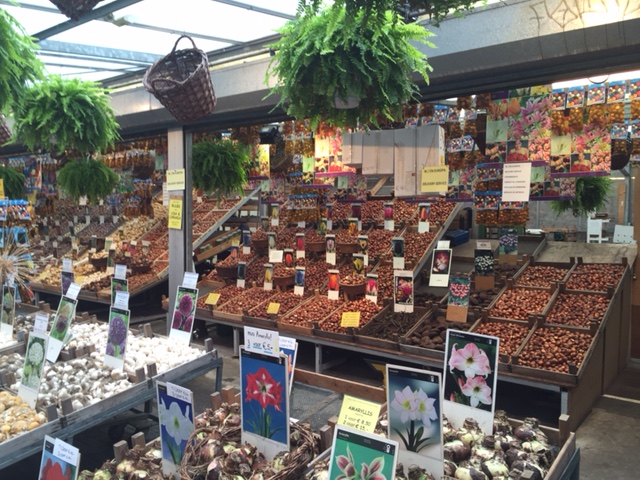
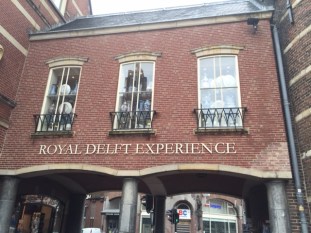
In the centre of the old city, we enjoyed the flower market – not especially grand but very colourful and interesting, even out of tulip season. We also visited a Delft-ware shop to buy some dainty gifts for Maggie’s work buddies and her oldest granddaughter.

img_0459   img_0460

img_0453   img_0454

img_0471   img_0467

The architecture of some of the buildings in the old city is a bit severe for our taste – Dam Square, for example. However, there are also some hidden gems, including Begijnhof, a pretty, secluded square with a long history of housing single women; one of the houses is made of wood and is the oldest house in the city.

img_0533   img_0492

img_0548

img_0551     img_0555

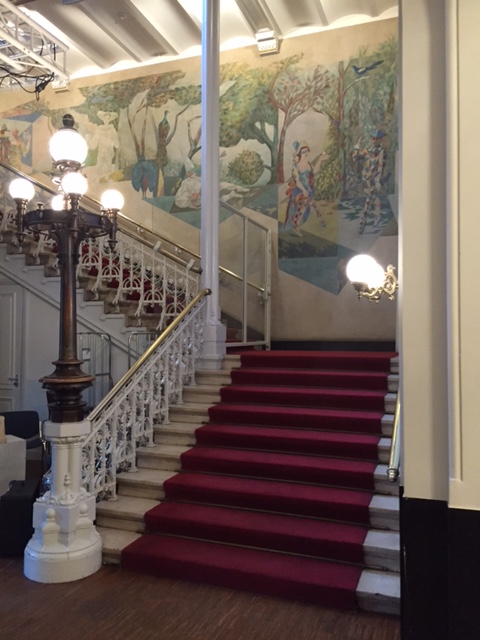
One public building that did please our eyes was Stadsschouwburg, a theatre built in the late 19th century and faithfully refurbished in recent years.

img_0478      img_0480

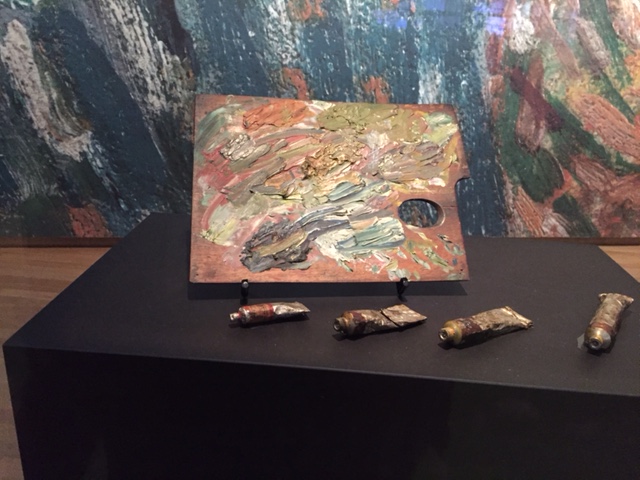
Of the best-known sights, we visited the Van Gogh Museum, with its understated modern entrance and set in a large parkland on the edge of the old city. The museum exhibits – no photos of paintings allowed – presented the story of Van Gogh’s development as an artist very thoroughly.

img_0515

img_0516   img_0525

We decided to pass up the opportunity to visit the vast Rijksmuseum in favour of Anne Frank House. Although online ticket sales were booked out, we took the associated advice that walk-up tickets were available after 3pm daily. Hundreds of other visitors heeded the same advice!

So, we retreated to a nearby bar/cafe – van Puffelen – reputed to have a long history of serving fine drinks and food. After a particularly disappointing experience – don’t get Maggie started on the beef carpaccio! – we returned to Anne Frank House to find that the queue was no shorter, so we aborted our mission. If this famous site is on your wish list, learn from our mistake and book online well in advance!

img_0585      img_0595

Van Puffelen aside, we enjoyed eating out in Amsterdam, including consistently high quality coffees at various cafes across the city. Favourite dishes included:

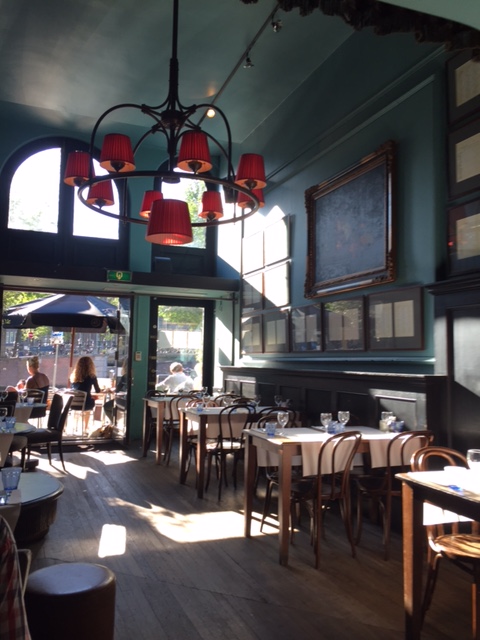
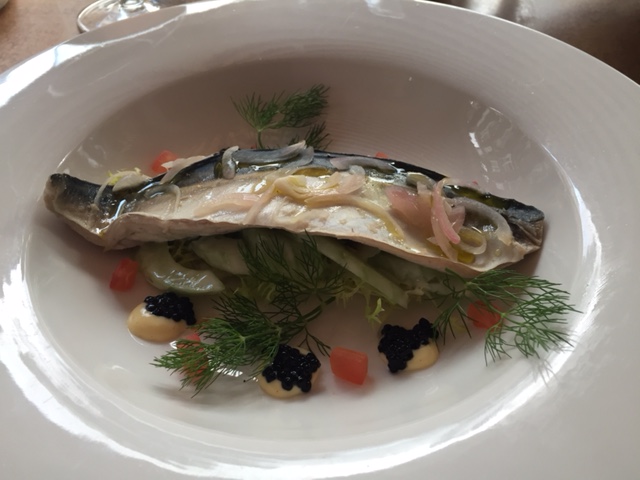
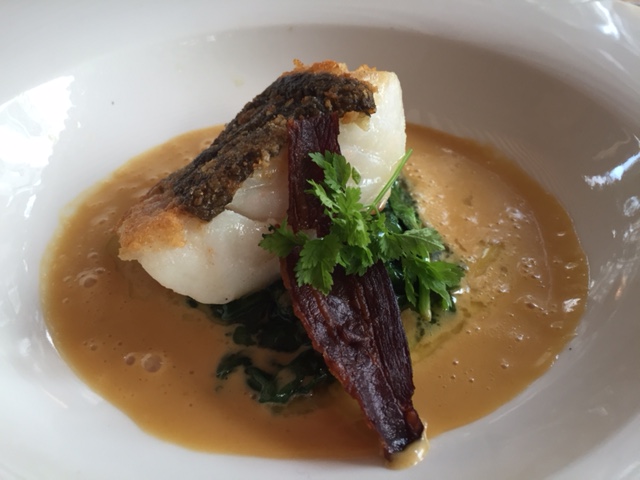
  • delightful seafood at Boelen & Boelen Wine Bar & Restaurant

img_0449   img_0450

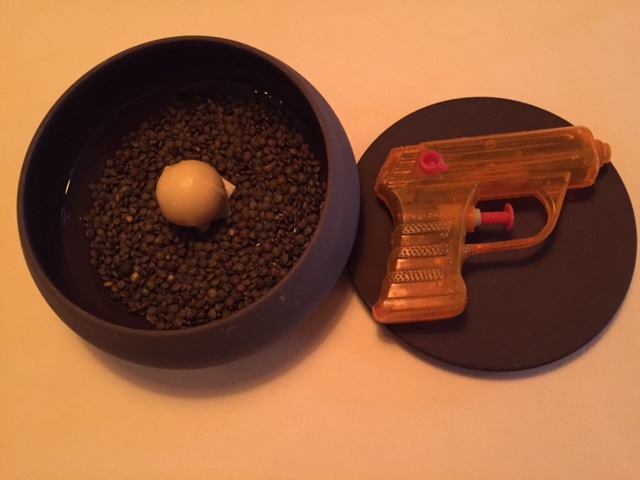
  • remarkably innovative and enjoyable food at Gin Neo

img_0498   img_0510

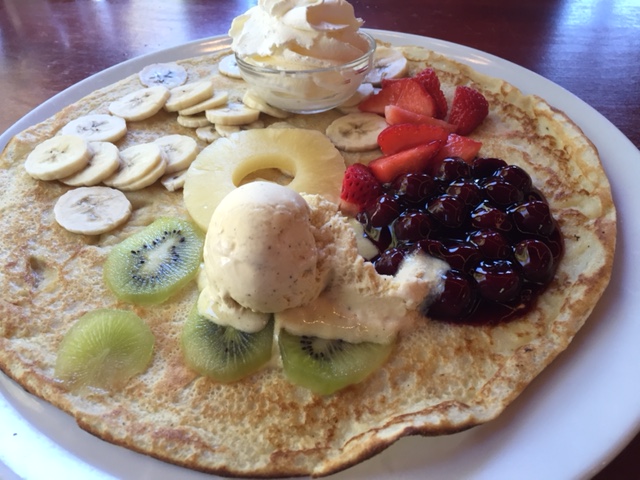
  • poffertjes – and pancakes – at one of several busy cafes which specialise in the little Dutch treats

img_0583   img_0584

So, all in all, our visit to Amsterdam was very agreeable. We could have devoted more time to its iconic destinations, but it is also a city where a few hours spent strolling around the neighbourhoods of the old town is a valid and worthwhile visitor experience.

Posted in Travel | Tagged , , | Leave a comment

Cumquat infusions

From time to time I have mentioned ways that we use cumquat-infused brandy and vinegar in our home cooking. And I have previously provided the recipe we follow when we make the infused vinegar, including suggestions on how to put this vinegar to good use in the kitchen.

Our Greek neighbours’ cumquat tree is heavily laden with fruit this year, so, a few weeks ago, we selected a small crop to make fresh supplies of the two liquids. Here is how they look, not quite half way through the infusion process.

cumquats

The jar on the left contains the brandy, made using just 500g of ripe cumquats according to the recipe provided below. The sugar is now completely dissolved and the colour of the brandy is deepening under the influence of the vanilla bean and the fruit. The aroma is already quite intoxicating!

The second jar contains the vinegar, originally white but now taking colour from the fruit, some cloves and a small piece of cinnamon. The aroma of this liquid is also becoming quite appealing, in a piquant kind of way.

At the end of November, we will remove the fruit, strain the liquids and pour each one into a bottle, to be stored in the pantry and used between now and next season.

We use the infused brandy as a substitute for plain brandy when cooking with duck or anything else that marries well with a flavour of orange citrus.

Ingredients

500g cumquats, washed
500g sugar
600ml brandy
1 vanilla bean

Method

  1. Place cumquats in a large, sterile jar. Add sugar, brandy and vanilla bean and seal.
  2. Stir contents every few days with a clean skewer until the sugar has dissolved, then leave to mature for 2 months.
  3. Remove cumquats and discard.
  4. Strain liquid into a clean bottle and store in a cool, dark place.
Posted in Cooking | Tagged , , , , | Leave a comment

Monet’s marvellous garden

One of the highlights of our recent travels in Europe was a day-trip to ‘Monet’s Garden’, in the small village of Giverny, west of Paris. Claude Monet and his family rented the property from 1883-90, then purchased it and set about establishing a superb garden, including the famous lily pond. Monet lived there until his death in 1926.

We took a train from Gare St Lazare to the town of Vernon, from where a free shuttle bus takes visitors to and from the main carpark in Giverny. From there it was a 10-minute walk along one of the village’s two main streets to the property’s entrance.

village-1      village-2

These two plans of the property show, firstly, the layout from the top road, down a gentle slope and then across the lower road to the pond area. The second one gives the orientation from behind the pond.

map-1

map-2

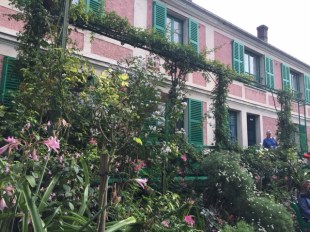
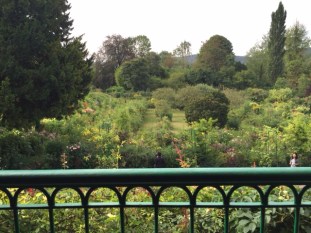
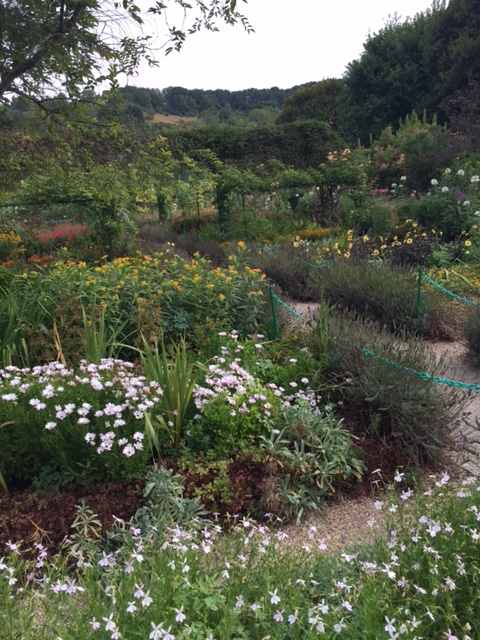
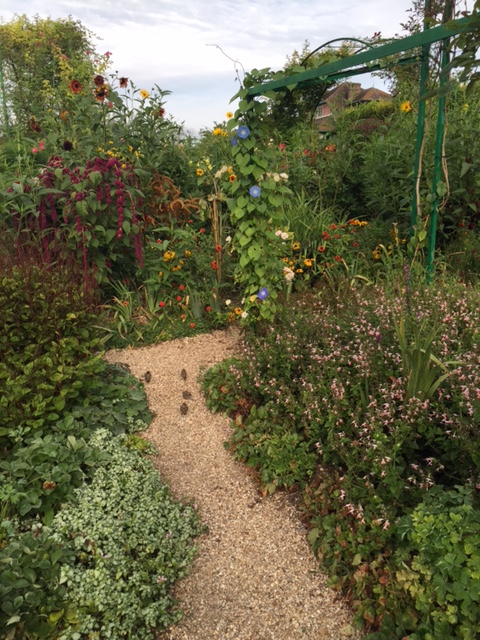
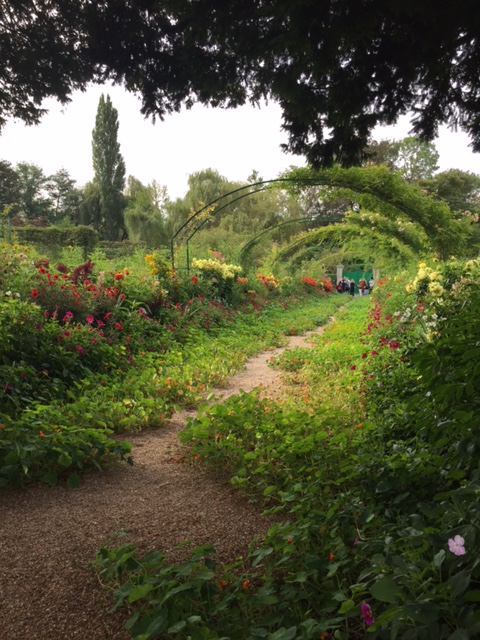
The next group of photos shows you something of the structure and planting strategy of the main garden, running from the front of Monet’s home down to the lower road.

house-1   garden-6

garden-1      garden-2

garden-3      garden-4

garden-5      garden-7

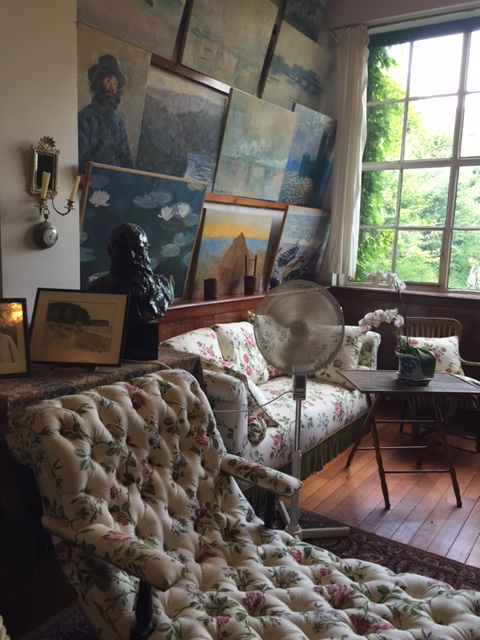
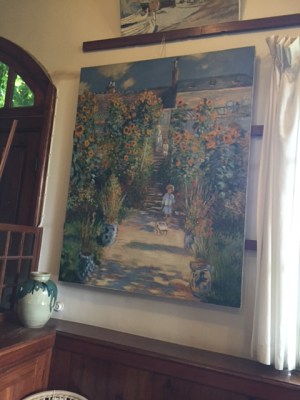
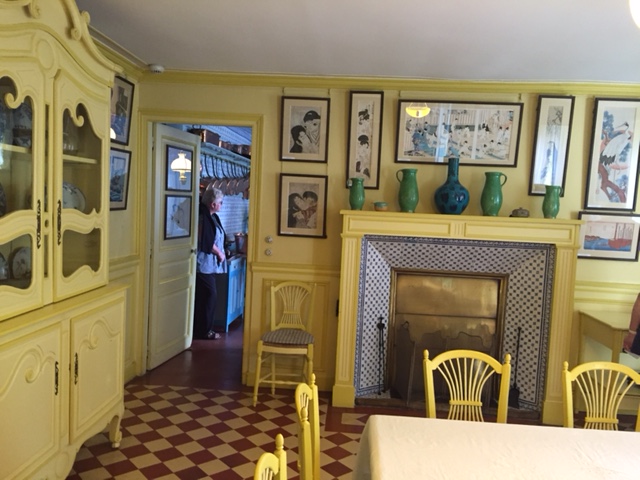
We had arrived in Giverny by 10am, so we were not crowded as we explored the property. From the main garden, we went into the house, a large two-storey dwelling. Many of the furnishings, paintings and decorations are exact replicas of originals, as captured in photographs taken while Monet lived there. An example of this is the family dining room, including the vases and urns on the mantelpiece above the fireplace.

house-2   house-6

house-5      house-8

house-9      house-4

house-11   house-14

house-16   house-17

By the time we left to look more closely at the flowers in the main garden, the house had become congested and there was a queue of visitors waiting to be allowed to enter.

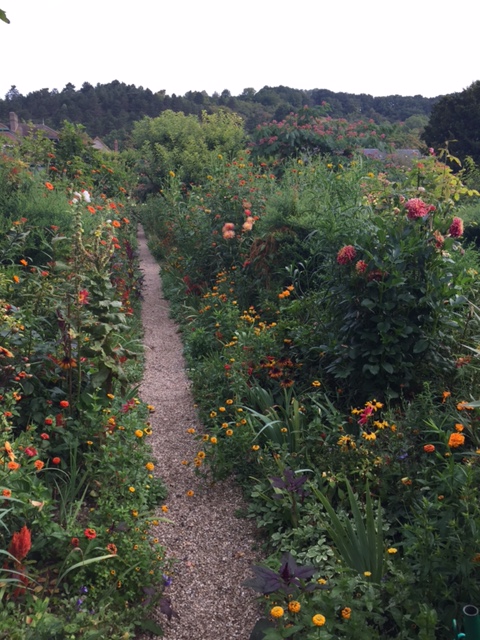
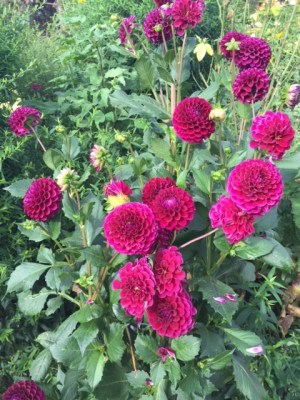
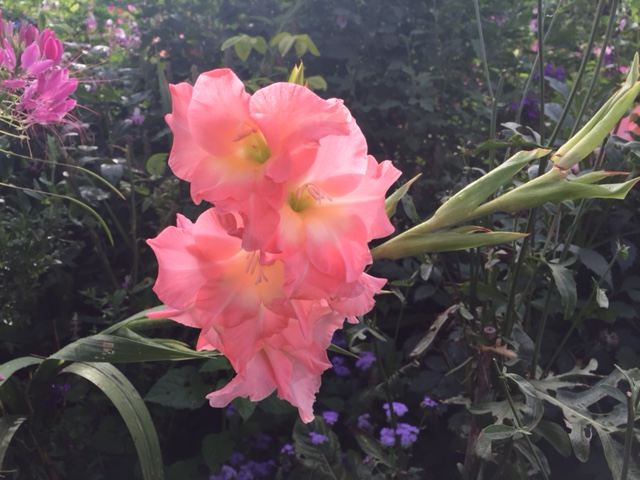
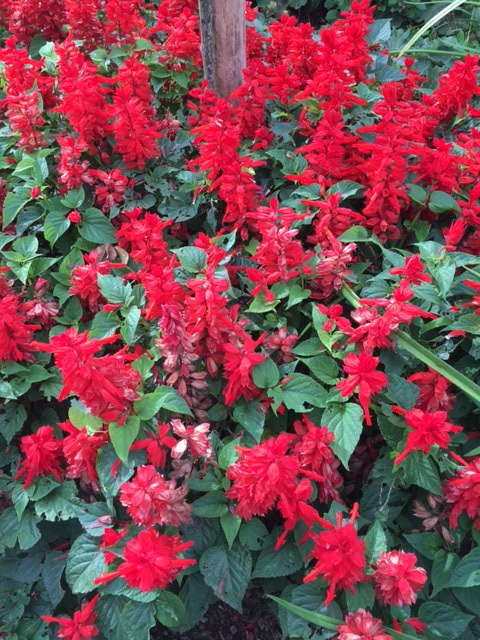
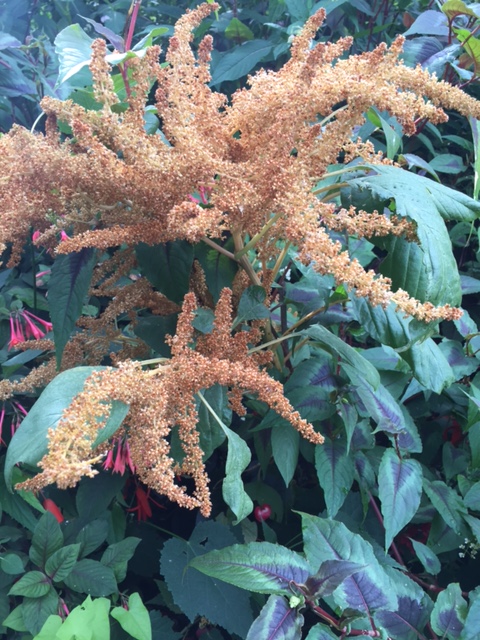
Here is a selection of Maggie’s photos of some of the hundreds of flowering plants in the garden. What a voluptuous feast for the eyes!

flower-1      flower-2

flower-6      flower-5

flower-8      flower-9

flower-17   flower-7

flower-10      flower-11

flower-12      flower-13

flower-14      flower-15

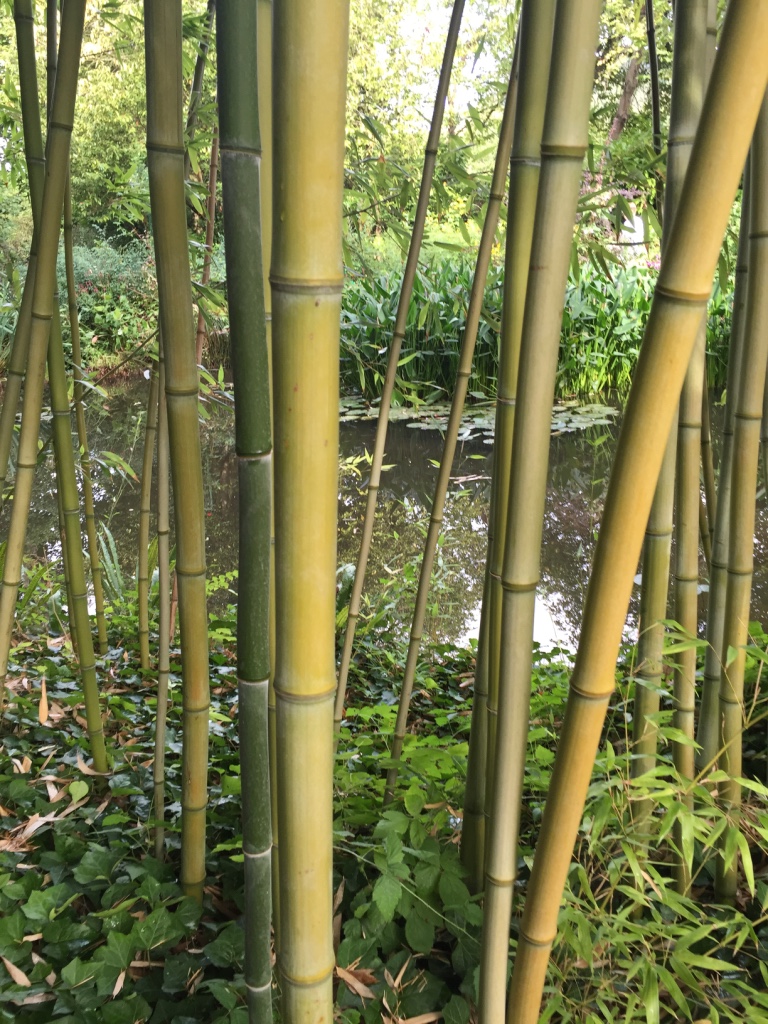
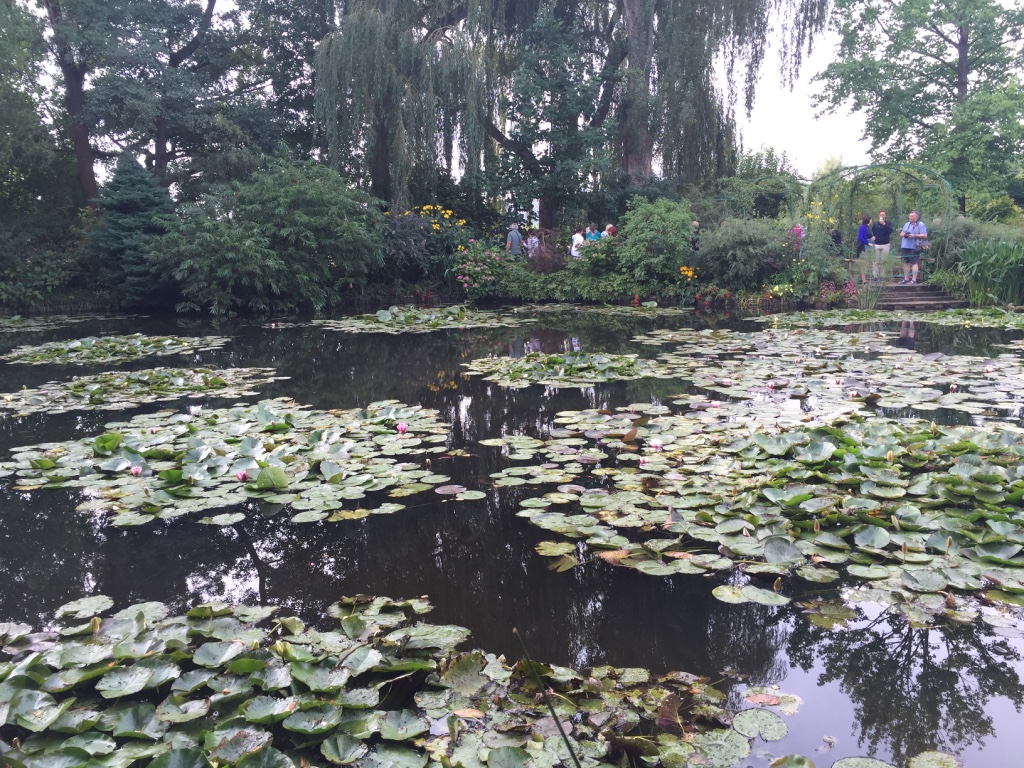
From the bottom of the garden, we walked through a walkway under the lower road and into the area of lily pond, which is fed by a natural stream that ultimately feeds into the River Seine. As it was early, few of the lily flowers had opened; however, it was still possible to imagine the scene as it was when Monet painted his famous series of works. (We had seen a wonderful selection of the paintings, including the larger ones, at L’Orangerie when we visited Paris in 2011. They are now housed at the Musee d’Orsay.)

thumb_img_1167_1024      thumb_img_1170_1024

thumb_img_1201_1024      thumb_img_1179_1024

thumb_img_1193_1024

thumb_img_1189_1024   thumb_img_1192_1024

From the lily pond, we made our way back through the garden to the gift and souvenir shop. There was a vast array of every imaginable type of item, most of them of excellent quality; there were at least 100 visitors in the shop and you could hear the buzz of enthusiasm and happiness. We did not resist the temptation!

End note: When we returned to Vernon, we had a good half-hour to wait for our train back to Paris. We were actually quite hungry, so we sat down in the sun outside the pub across the road from the station and enjoyed a beer and a sandwich with salad and some exquisite chunks of house-poached chicken. Oh, the pleasure of eating in France!

Posted in Travel | Tagged , , | Leave a comment

Jet lag? Pfft! Wait ’til palate lag gets you!

At 3pm on Friday 16 September, Maggie and I boarded a train in the French city of Rouen, to commence our return journey to Melbourne. 32 hours later, at 7am Melbourne-time on Sunday the 18th, we wrangled our luggage and our tired bodies through the front door of our home.

You might think that we had earned the right to dine on take-away for the next day or so but, no, we had already planned a cooking-at-home menu, commencing on the Sunday evening with a reliable standard, veal parmigiana.

Disappointed! It tasted like we’d made the sauce from tomatoes with a high sugar content.

A couple of nights later, we roasted a hand-picked piece of rib-eye beef on the bone. Off the bone and on to our plate, the meat tasted bland, as did our usual choice of roasted potatoes. What a let down!

Next, some pieces of Spring lamb, into the braising pot for a meal of Navarin of lamb, a dish we prepare to celebrate the start of the best season for lamb. What could possibly go wrong? Plenty, apparently; another disappointing result, flavour-wise.

Then I noticed that I wasn’t enjoying the glasses of Australian wine we were drinking at the dinner table; they tasted too fruity. Quel horreur! Perhaps that French wine-wanker we met in Burgundy was right when he pronounced Australian wines to have too much sugar.

Even the daily shot of Nespresso felt washed-out, like that lame liquid you sometimes get in airline economy class. Merde!

By week’s end, I was well enough clear of jet-lag symptoms for me to recognise two phenomena: subsequent servings of the leftovers from each of the dinner disappointments had tasted better, more like what I would have expected; and the only dish that worked first-time was some pot-roasted pieces of chicken which I had finished off with a French style of sauce.

I’ll repeat that: ‘French style of sauce’.

And, so, the penny dropped. We had eaten so many excellent meals of French food during the latter weeks of our trip that our palates had been thoroughly re-calibrated. We were suffering from palate lag! It lasted for a full fortnight, with the pleasure of yesterday morning’s coffee confirming that the food fog had finally cleared.

Here are images of some of the causes of this effect (stories to follow in subsequent posts):

img_1275 img_1276 img_1339 img_1389 img_1466 img_1469img_1470 img_1471 img_1472 img_1524 img_1525 img_1526 img_1527 img_1528 img_1529 img_1544 img_1545  img_1583 img_1584img_1626 img_1629 img_1630 img_1631img_1635 img_1651 img_1652 img_1653 img_1654

Posted in Cooking, Eating out, Travel | Tagged | 1 Comment

Une belle image de Saumur

img_1348

I took this beautiful photo of Chateau Saumur from our hotel window this morning. Maggie and I are spending three nights in this picturesque Loire Valley city.

We are three weeks into our visit to Dubai and Europe but this is the first post I have published since we left Melbourne.

This uncharacteristic lack of volubility was brought on by a nasty and persistent virus which I contracted somewhere between Melbourne and Amsterdam, via Dubai. My proclivities have also been inhibited by an unusually protracted period of late-summer heat in Europe, with maximum temperatures ranging up to 34C.

So, I find myself incapable of doing anything more than enjoying our journey. Which, upon reflection, is not such a bad thing!

Posted in Travel | Tagged , | Leave a comment

Orange cake with low degree of difficulty

You could think of this cake as being no more difficult than performing a single somersault off the 1m springboard, compared to the Middle Eastern orange cake requiring you to make a giddying dive, with all the bells and whistles, off the 10m platform.

After all, it’s just an orange cake, with a couple of flourishes for colour and texture. We only make it when navel type of oranges are in season and we have access to sweet berries at a reasonable price. The pieces of strawberry in this cake came from sub-tropical southern Queensland; the oranges from a good friend’s garden.

Orange cake

Take note of item 7 in the method. This is the kind of cake that is ready to come out of the oven when you think that is almost ready. I usually ignore that advice and the end result is just that little bit drier than ideal. Hardly a surprise – I never could master even a basic dive?!

Ingredients

50g shredded or desiccated coconut
1 large orange
125g butter, softened
100g caster sugar (use about 10g more if the orange is a bit tart)
¼ tsp vanilla essence
2 large eggs
60ml milk
225g self-raising flour
12 ripe raspberries, or equivalent in pieces of ripe strawberry

Method

  1. Toast coconut in a non-stick pan until it begins to change colour. Remove from pan immediately.
  2. Zest and juice orange (you will need about 125ml of juice).
  3. Preheat oven to 170C and prepare a 20cm cake tin (line base with baking paper).
  4. Cream butter and sugar in a mixing bowl.
  5. Add vanilla, eggs and milk and beat well. Add orange juice and beat briefly then fold in flour, orange zest and coconut.
  6. Spoon into prepared tin and distribute berries evenly on top of the cake batter.
  7. Bake for 35 minutes or until batter only just tests clean. Cool for 5 minutes before turning out onto a wire rack.
Posted in Cooking | Tagged , | Leave a comment

Planes, trains and automobiles … and a longship …

… will soon (10 sleeps!) be taking us to, and around, north-western parts of Europe.

The first plane will take us from Melbourne to Dubai, where we will spend 48 hours. We have a short list of, mostly, inexpensive sight-seeing, including a museum that we visited all too briefly during a guided tour in 2014. There will also be a return visit to the Gold Souk. If recent history is any guide, that item will not be be in the ‘inexpensive’ category!
From Dubai, we fly to Amsterdam. Based in the heart of the main canal district, we will spend three full days exploring such sites as the Rijksmuseum and the Van Gogh museum, both recently restored; the canals themselves; Ann Frank House; and the Vondelpark.

Towards the end of the final day, we will board our ‘longship’. Well, maybe not so long, but certainly slimline and owned by Norwegians, in the guise of Viking Cruises. Over seven days and nights, our cruise will take us via canals and then the Rhine River, from Amsterdam to Basel in Switzerland. The itinerary includes several land-based experiences; a guided tour of the Alsace wine region should be a personal highlight.

After breakfast on the final morning of the cruise, we will make our way to Basel’s main railway station to catch a train to Paris. We will reach Paris in the mid-afternoon, and take a taxi from Gare de Lyon to our favourite hotel in the bustling Marais district. Over the next four days, we will enjoy a variety of new and repeat experiences, including dinner at two charming restaurants; a self-guided day-trip to Monet’s garden at Giverny; and, at last, a visit to Musee Picasso (it was undergoing protracted renovations on three previous occasions – 2009, 2011 and 2014).

On our last morning, we will be up at sparrow’s fart to join a four-day guided tour of the First World War battlefields in the north-west of France. In the Somme and adjacent districts, some of the bloodiest and most pointless battles in human history took place, at the cost of hundreds of thousands of lives – Australian, New Zealander, British, Canadian, French and German, in the main – and we will visit several solemn cemeteries and memorials. For both of us, this will be a case of honouring those who died in the name of our country. For Maggie, it will also be personal – her maternal grandfather fought in WWI. He was one of the lucky ones and he returned to Melbourne to build a family home in a square that takes its name from the town of Villers-Bretonneux, where a famous victory, in April 1918, forged an enduring friendship between French and Australian citizens.

IMG_5071   IMG_5068

After our tour coach has returned to Paris, we will spend a night close to Gare Montparnasse, from where we will take an early-morning train to the town of Chartres, home of the fabled Gothic cathedral. From the cathedral, we will collect a rental car and head for the Loire Valley, staying in the town of Saumur – not too big, not too small, just the right size to offer an attractive variety of dining experiences. And, yes, between glasses of Sancerre and Vouvray, we will visit some of the region’s famous chateaux.

Next, a leisurely drive to Mont St Michel, where, by either luck or good management, we have secured a room in a hotel, just 2km from, and with an uninterrupted view of, the famous abbey. We will enjoy the late-afternoon vistas and a first-thing-in-the-morning-ahead-of-the-pack visit to the abbey complex, before driving across Normandy to the seaside town of Honfleur. Here, our priorities will be the scenery so admired by Monet and colleagues, and a selection of Normandy’s famous foods – camembert, brie, lobster, oysters, calvados, apple cider. Oh, stop it!

Last, but not least, we will drive to the city of Rouens, famed for its old town centre, including the cathedral, which featured in a series of paintings by Monet. Here, we will return our rental car and, on our last night in France, dine at a restaurant with two Michelin stars, a first for us. At 3pm the next day, we will catch a train to return us to Paris and thence, très triste, to Charles de Gaulle airport to say au revoir to France and board a plane bound for Melbourne.

Posted in Eating out, Travel | Tagged , , , , , , , , | Leave a comment