A treat of a pumpkin dish, no tricking

Cannelloni 6

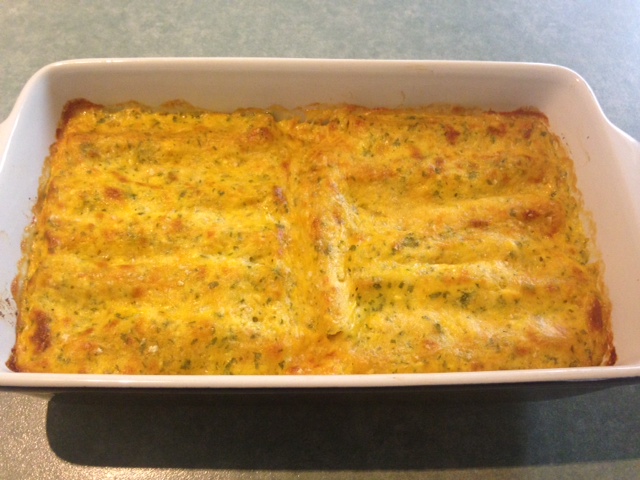
This recipe began with a search through our Italian-influenced cookbooks for a dish that would make good use of some leftover ricotta. I found what I was looking for in a collection compiled by Melbourne restaurateur, Maurizio Terzini. The original recipe used very similar ingredients but I have modified the method significantly to suit our technical capabilities. The result is quite delicious and could even be offered as a Hallowe’en treat!

If you don’t have fresh sage growing in your garden and have to buy a bunch from a store, you can freeze the leftover leaves.

Ingredients

50ml olive oil
400g Jap pumpkin, skin left on and cut into 3-4cm chunks
2-3 cloves garlic, finely chopped
15-20 sage leaves, finely chopped
¼ tsp grated nutmeg
250g ricotta
100g grated pecorino (or parmesan)
1 egg
salt and pepper
10-12 cannelloni tubes (prepared according to packet instructions)
Béchamel sauce made using 1½ cups of milk
2 tbsp chopped parsley
grated pecorino, extra

Method

  1. Preheat oven to 170C, toss pumpkin chunks in 20ml of olive oil and bake skin-side down for 30-40 minutes, until all the flesh is soft. When cool enough, remove the skin, place pumpkin in a large mixing bowl and mash with a fork.
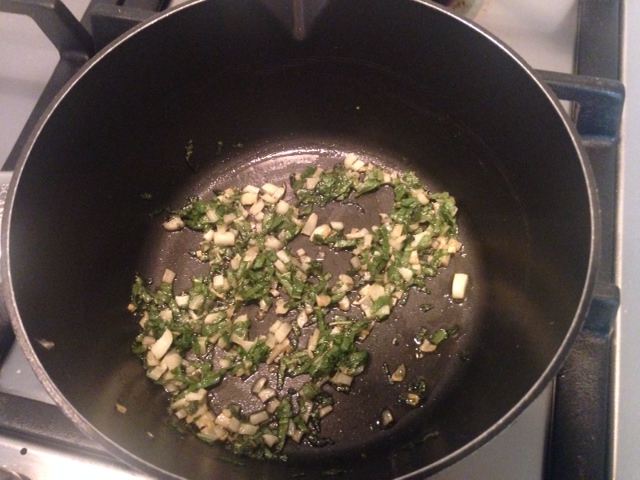
  2. Meanwhile, heat 30ml of olive oil in a saucepan over low heat and add the garlic. Sauté for 5 minutes, add the sage and sauté for a further 2 minutes until the garlic is soft. Allow to cool then add the garlic and its cooking oil to the pumpkin.
  3. Add nutmeg, ricotta, pecorino and egg to mixing bowl and stir to combine. Taste and adjust seasoning.
  4. Use a piping bag or a narrow teaspoon to fill each cannelloni tube with the pumpkin mixture. Use as many tubes as will take up about 85% of the mixture; retain the surplus.
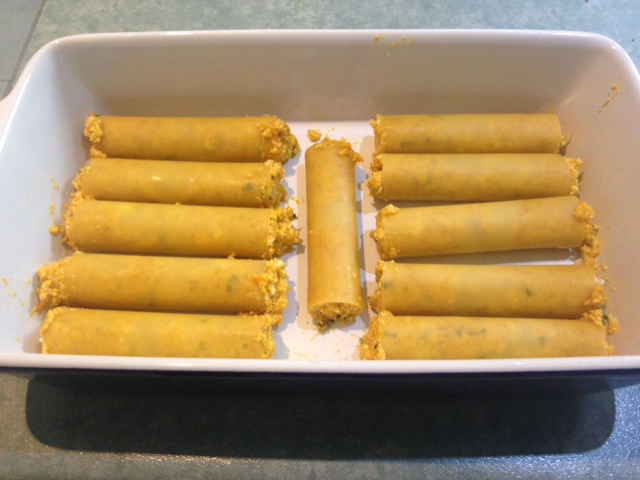
  5. Place tubes in a baking dish, leaving a gap between adjoining tubes to allow for expansion.
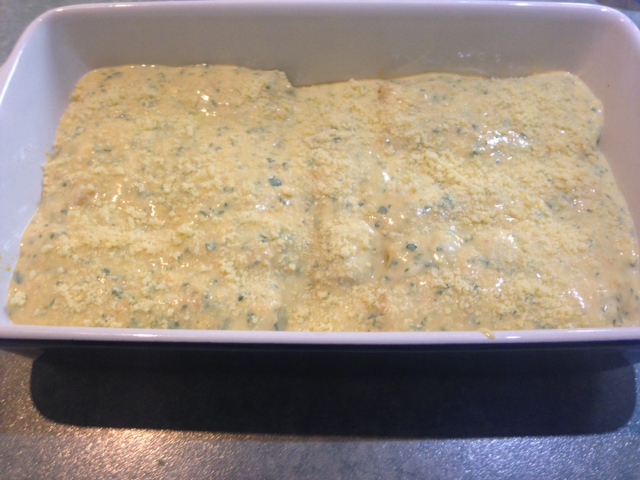
  6. Stir the chopped parsley into the béchamel sauce. Add the leftover pumpkin mixture and about 1/2 a cup of milk and stir well to combine. Pour the sauce over the cannelloni. Sprinkle lightly with more pecorino.
  7. If you are using ‘instant’ cannelloni tubes, leave the dish to rest for about 20 minutes so they can begin to soften.
  8. Meanwhile, preheat oven to 160-170C (do this earlier if you are using tubes that you have prepared in boiling water).
  9. Bake for about 35 minutes, until the cannelloni tubes are soft and the pecorino is beginning to turn golden brown.

Cannelloni 1   Cannelloni 2

Cannelloni 3   Cannelloni 4

Cannelloni 5

Posted in Cooking | Tagged , , , , | Leave a comment

London as a destination? Still flummoxed after all these years!

In 1982, I spent six weeks in Britain and Ireland as part of an extended journey around the globe. My travels took me to London twice: arriving there from Australia, via a stopover in Copenhagen; and for a few days prior to flying out of Europe to the USA. Then, as now, I had mixed feelings about London as a travel destination.

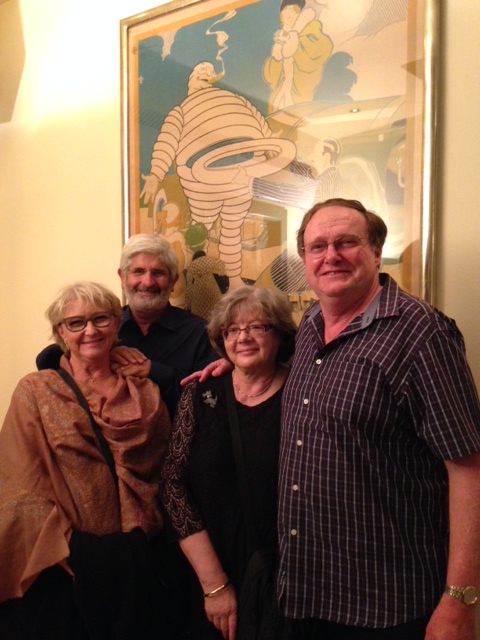
Following our tour of Croatia, Maggie and I returned to London for 36 hours, caught up with friends for a wonderful meal at Bibendum restaurant, and then flew out bound for Singapore. We had intended to visit the Natural History Museum but the weather became inclement, so we barely added to the sightseeing and experiences of our initial visit to London.

In 1982, I had a very tight travel budget and I arrived in London with little or no idea of what might be a good use of my time. Thirty-three years later, Maggie and I had done plenty of homework and had reasonably adequate financial resources – we were taken aback by how expensive a city London can be for visitors – but we still struggled to feel enthusiastic about being there.

There are two common elements in my experiences of London. Time – and even money – can be quickly consumed by logistics, getting in and out of the city, moving around the city and using London as a place to make arrangements, prepare your luggage for modern air travel, etc. I take my hat off to those travellers who have this item under control.

Secondly, I just can’t get a clear mental map of London and I find that to be a limiting factor; it all feels a bit hard at times. Put me in Paris, Vienna or Singapore, and I know pretty much where I am and which direction to head to continue my explorations, which also serves to encourage and enable those precious off-the-beaten-track moments that add colour to a traveller’s day.

Having re-read all of this, I do feel a bit embarrassed by our underwhelming performance as visitors. And we do have some good memories of London. However, should it ever happen that we plan to visit there again, I might suggest that we arrive in England via another entry point, lose the jet-lag and then hit London with a go-hard, long-weekend attitude.

Four VERY satisfied Bibendum diners

Four VERY satisfied Bibendum diners

Posted in Travel | Tagged , | 1 Comment

Croatia? Often idyllic. By coach? Not ideal

In five visits to Europe since 2008, Maggie and I have been on seven coach tours – four with Trafalgar and, in 2014 and 2015, three with Insight Vacations. (We have also travelled independently in such places as Paris, Burgundy, Salzburg, Vienna, Barcelona and London.)

Of the coach tours, numbers one to six were full of experiences that were delightful, memorable or inspiring. Perhaps, by the law of averages, we were due for a fall, as our 13-night tour of Croatia has left us feeling oddly unfulfilled.

Since we flew out of Dubrovnik on 4 October, we have spent time with friends or family in London, then Singapore and now here in Melbourne. You know how it goes after you’ve visited a foreign country: “How was Croatia?” “What were the highlights?” “It must have been beautiful, tell us about it!” My responses have been mostly awkward, uncomfortable – even a little guilty – all the while feeling a little unsure as to what the problem was.

Until now.

This is how I would summarise the causes of our comparatively low level of satisfaction.

I believe that a visitor could spend more than a couple of weeks exploring Croatia and leave for home feeling quite satisfied. However, Croatia does not have the variety-in-quantity of must-see attractions to justify the time and expense of a two-week coach tour. (I could readily make the same remarks about our corner of Australia, even though we spend many happy times exploring its various regions.)

A coach tour is loaded with the costs of higher-end accommodation, dining, local guides and other traveller comforts; that’s part of the appeal for the likes of Maggie and me. So, you expect to have at least one, if not, two ‘wow’ experiences each day (some of these would occur in our ‘free’ time).

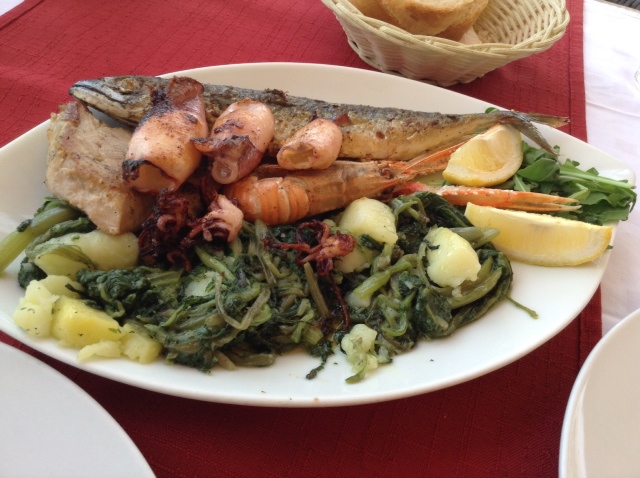
The highlights of our tour comprised: the upper (old) town of Zagreb, including the Museum of Naive Art; a side trip to the amazing caves of Postojna in Slovenia; the Plitvice lakes and waterfalls; Dubrovnik, of course; a typical island and a typical medieval town of the Adriatic Coast; and meals built on Croatia’s history, culture and local ingredients. The balance of the itinerary was made up of sites and sights of only moderate interest or, in the case of islands and medieval townscapes, little different from what we saw on other days of the trip.

And then there were the ponderous hours allocated to ‘logistics’. For instance, we spent two nights on each of two islands – Brac and then Korcula. To ensure we were able to visit each island, our coach had to be at the various ferry departure points well ahead of time – up to two hours ahead – to avert any risk of being stranded.

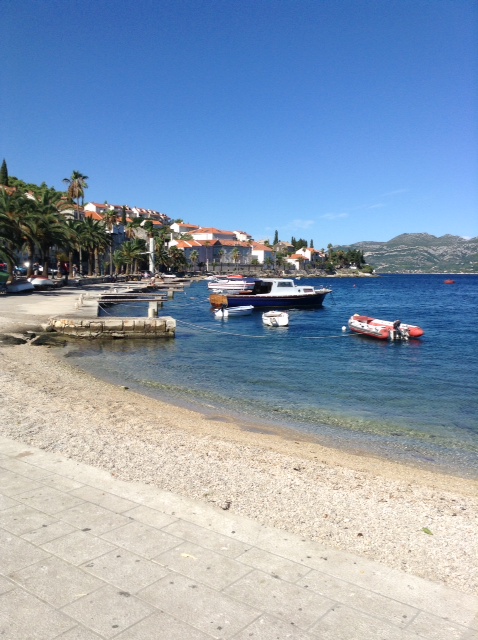
On Brac, our itinerary included a delightful visit to an olive oil producer, some mildly satisfying experiences and some that were decidedly mundane. Our accommodation for the two nights was in a resort hotel near the small town of Bol; neither the resort nor the town worked well as a stopping point on a tour. On Korcula, the hotel was more suitable and was located just a short walk from the lovely town of Korcula and its substantial medieval heart. One island was sufficient to meet our expectations on tour and we would have happily traded the two nights on Brac for an extra night at Korcula and a second night at Split.

Equally, a combination of three or four towns and cities with medieval hearts – say, Korcula, Dubrovnik, Split and just one of Rovinj, Kotor and Trogir – and some associated coastal scenery, would have been plenty. But to visit all of these was repetitious and meant that we never seemed to spend enough time in one place to fully appreciate it. Other coastal places we visited – a Roman amphitheatre at Pula and the Montenegrin holiday playground of Budva – were not worthy of inclusion on a coach tour.

Still, there were several highlights, and I will cover these in subsequent posts.

Naive art 1   Caves 1

Rovinj 1   Plitvice 1

Korcula 1   Korcula 2

Trogir 1   3

Posted in Travel | Tagged , , , | 4 Comments

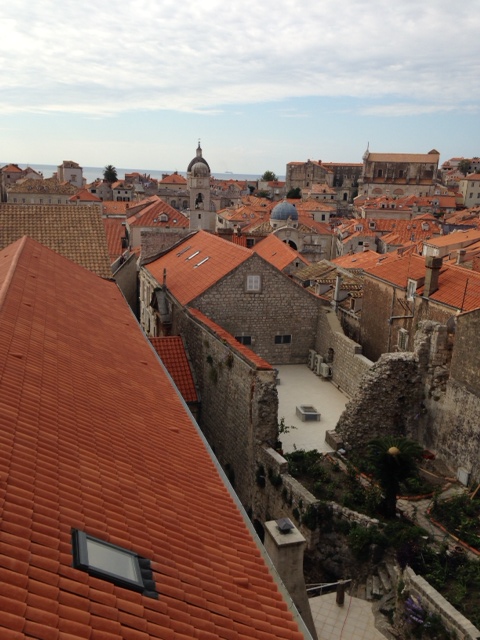
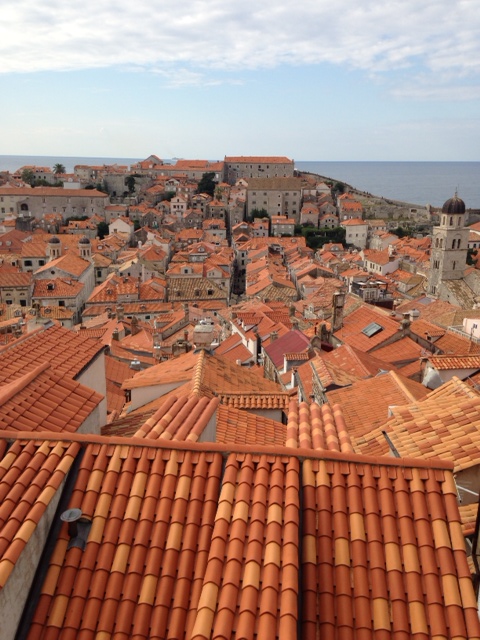
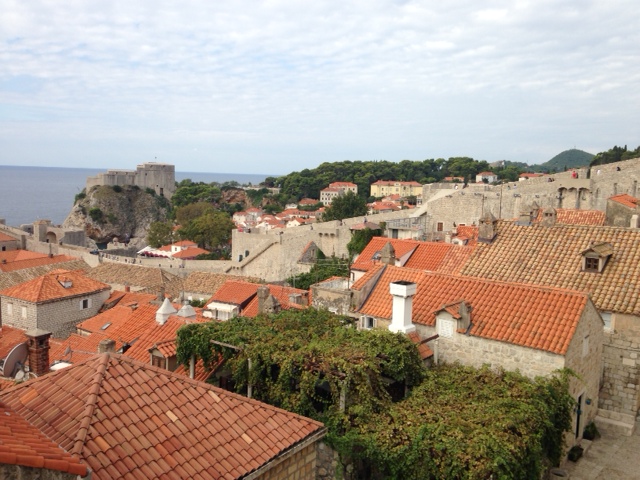
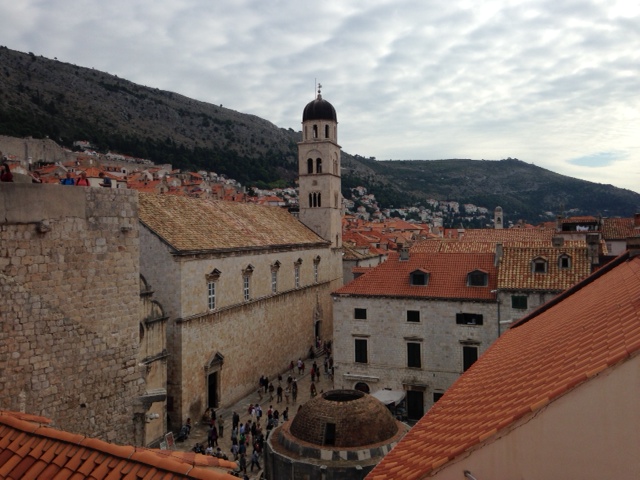
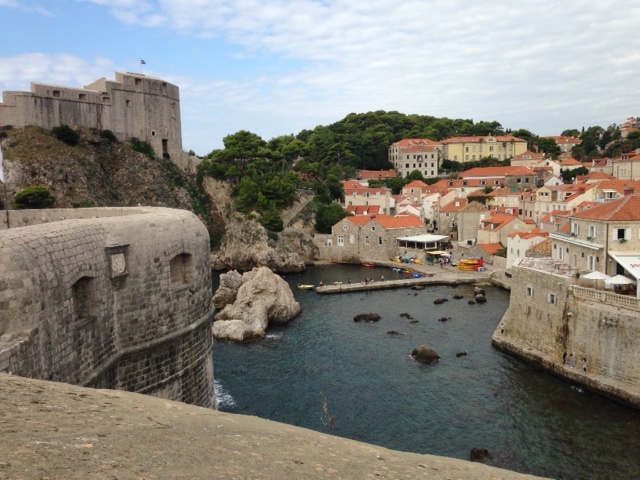
Walking the walls of Dubrovnik

Maggie and I have now returned to London after spending a fortnight in Croatia, mostly on a coach tour with Insight Vacations. That tour ended in Dubrovnik, where we spent three full days.

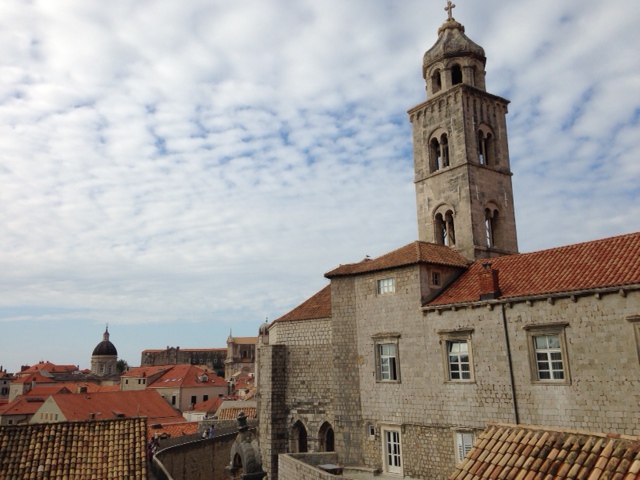
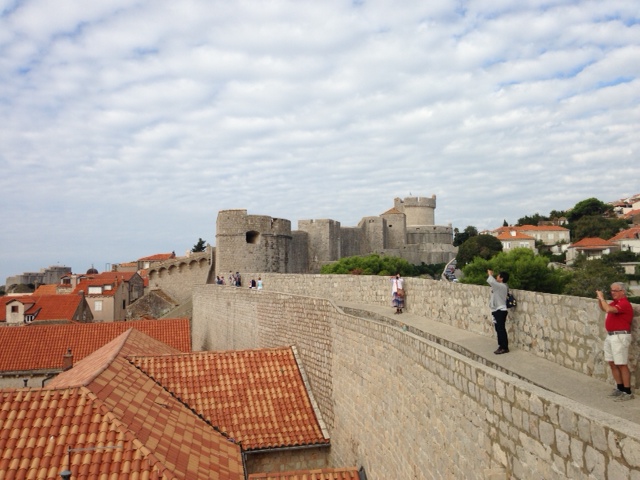
On the third day, we had no Insight-related commitments. With a forecast of possible showers in the afternoon, we decided to devote the morning to a further visit to the old town and its fabled walls. An old knee-injury kept Maggie at street-and-shop-level while I tackled the climb to the top of the city walls and its up-and-down circuit, a task that would take the average person about one hour, including numerous stops to admire the vistas, catch your breath or take photos.

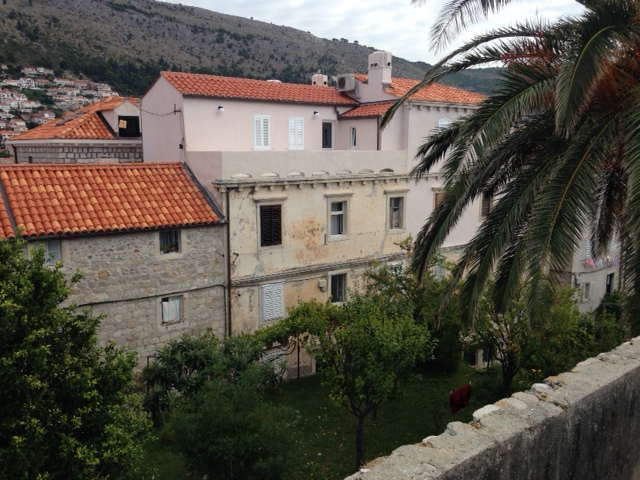
The balance of this post presents most of the photographs I took, in the order that they were taken. I think you will be able to see why this was a highlight of my time in Croatia!

Pilegate: where most visitors climb to the top of the city walls; I entered via the Port gate

Pilegate: where most visitors climb to the top of the walls; I entered via the Port gate, a shorter first climb

1   2

3   4

5   6

7   8

9   10

11   12

13   14

15   17

19   21

22   23

Mission accomplished; now for espresso and some sparkling mineral water!

Mission accomplished; now for espresso and some sparkling mineral water!

Posted in Travel | Tagged | Leave a comment

Scenes from a short tour of Britain

Maggie and I arrived in London on 10 September. Three days later, at 7.30am, we joined a six-night, seven-day tour of Britain. This post presents photographic highlights of the tour, accompanied by a brief account of the journey.

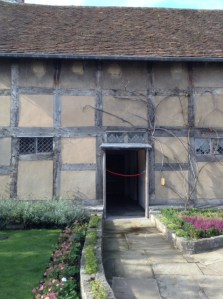
From London, our Tour Director, Michelle and coach-driver, Alf took us to Stratford-upon-Avon, famous for being the town where William Shakespeare spent much of his life. The house where he was born and raised is now a museum, somewhat amateurish in presentation but much the better for the presence of two actors performing on-demand excerpts from the bard’s works.
Stratford 2   Stratford 3

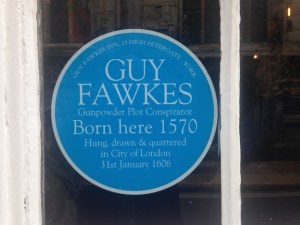
Later in the day, we arrived in York, with its renowned Minster and medieval heart. It is less well known as the birthplace – more infamous than famous – of Guy Fawkes, chief conspirator behind the oh-so-close-to-successful plot to blow up the British Houses of Parliament in the presence of King James I. We would have been quite happy to spend more time in York.

York 1         York 3

York 2

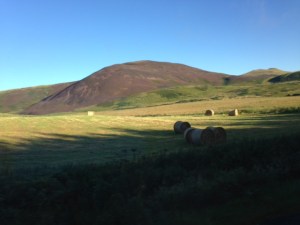
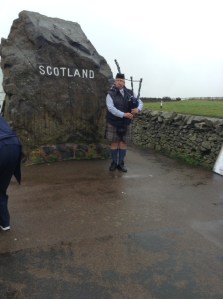
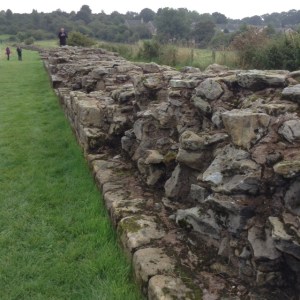
The second day began with a drive through mist and drizzle towards Scotland and its capital, Edinburgh. Along the way, we visited one of the few meaningful remnants of Hadrian’s wall, visited an impressive organic pig farm, enjoyed vistas of the season’s bloomin’ heather and crossed the border to the strains of a lone ‘piper.
Hadrian 1   Organic farmHeather   Hadrian 3

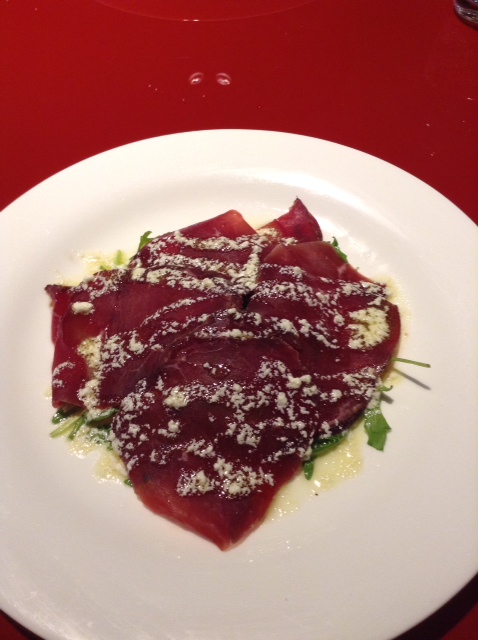
Maggie and I had dinner in the modern restaurant attached to our comfortable hotel – an attractive serve of bresaola for her and a vibrant dish of squid-ink infused rice and a pureed-and-filtered parsley sauce for me.

Cucina 1   Cucina 2

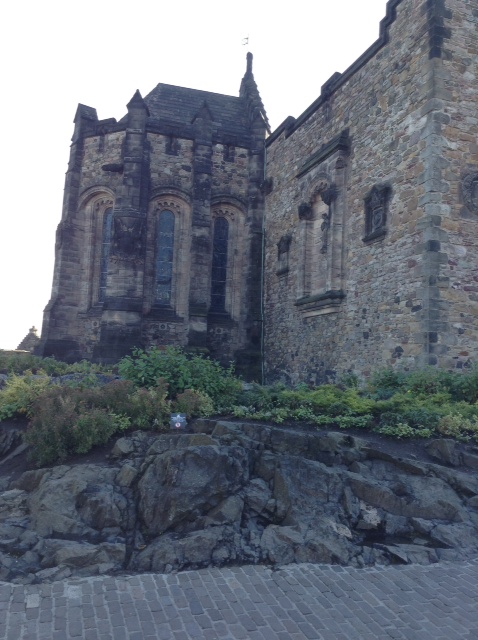
The sky cleared overnight to bless our tour of the city and its famous castle with bright sunshine. We entered the castle through the precinct that is used for the annual military tattoo. It has been staged recently and the purpose-built seating was still being removed.
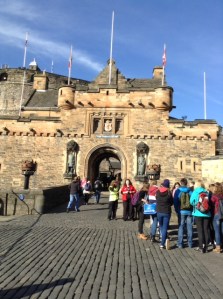
Ed castle 1   Ed castle 2

The castle is very imposing and we enjoyed wonderful views on a picture-perfect day.

Ed castle 5   Ed castle 3

The Royal Mile, the collective name for the streets that run from the castle down to Holyrood Palace, also boasts many buildings that underline Edinburgh’s status as a city of standing.
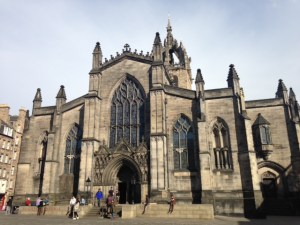
Edinburgh 2   Edinburgh 1

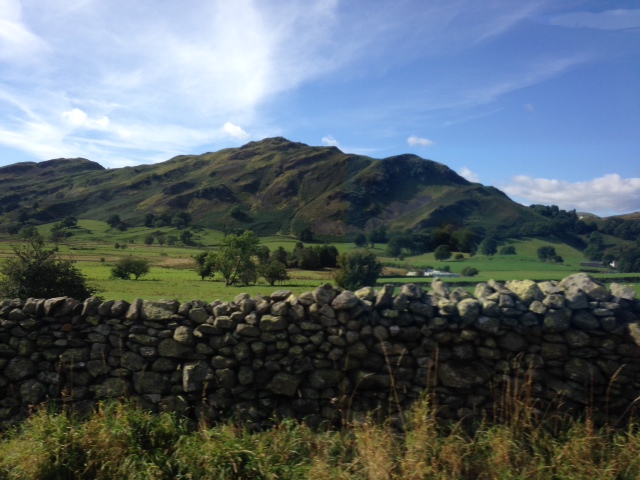
On the fourth day, the fine weather held good as we made our way to the Lake District, with its picturesque mix of hills, green fields, dry-stone fences and water bodies. A ferry took our tour group across Windermere to rejoin Alf and his coach for the trip to Liverpool.

Lakes 1   Lakes 2

Lakes 3   Coach

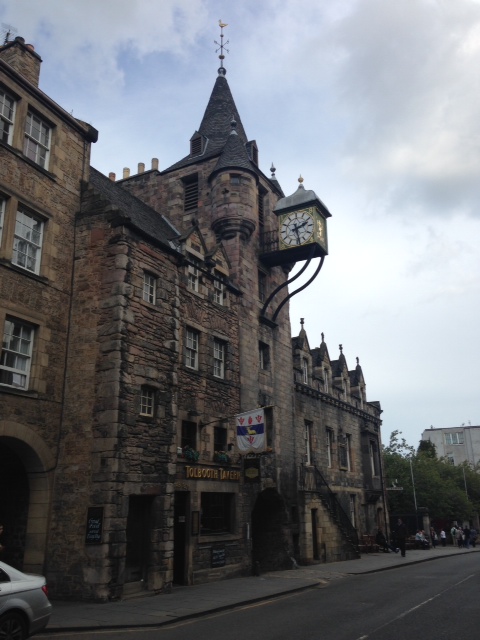
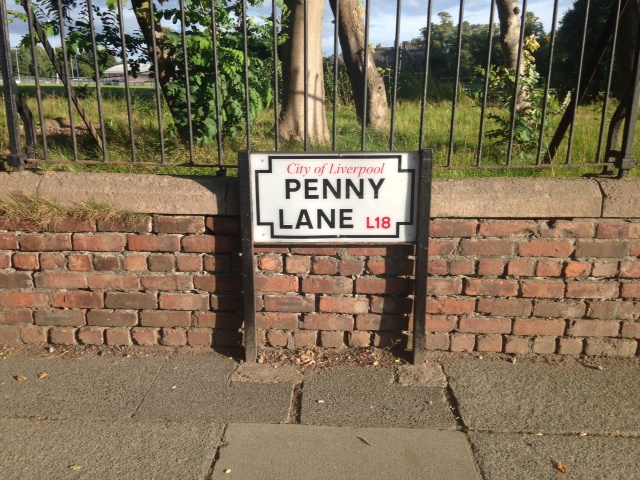
Liverpool has many virtues as a destination – our hotel was NOT one of them – but our group of ageing baby-boomers was especially interested in the city’s associations with The Beatles. The actual Penny Lane and a sculpture that featured some guitar cases were but two of too-many-to-count sites to which our local guide took us.
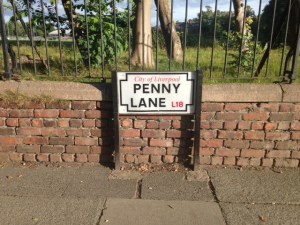
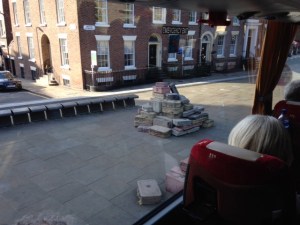
Liverpool 2   Liverpool 1

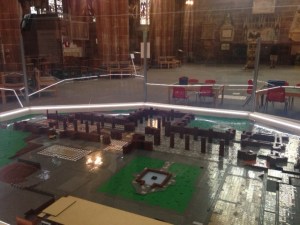
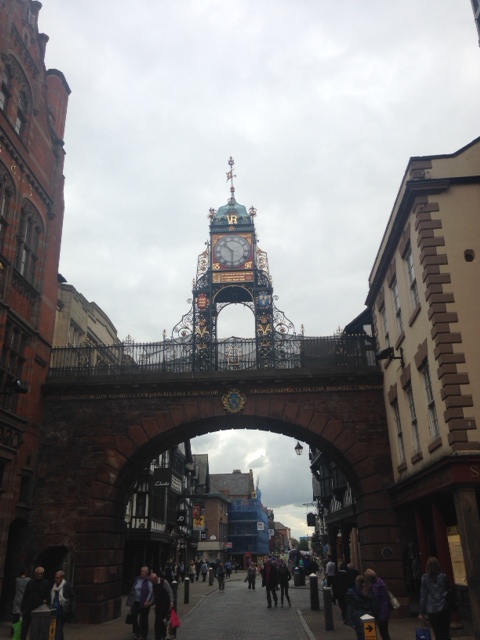
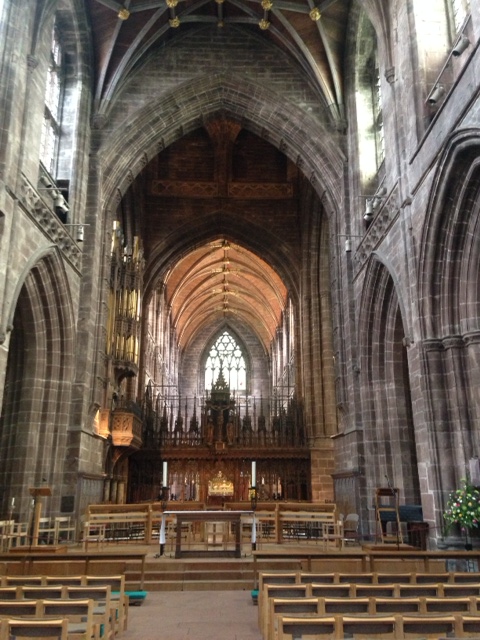
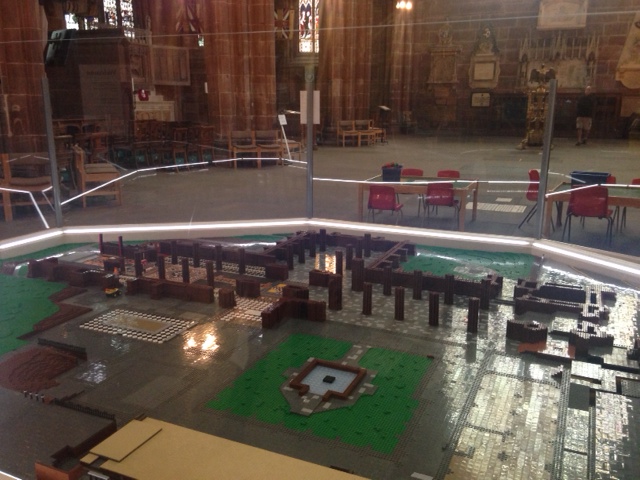
Next morning, we visited the town of Chester. Its features include substantial remnants of the medieval town walls, buildings renovated in a 19th century version of ‘mock Tudor’ and St Werburgh’s Cathedral. During our visit to the attractive gothic cathedral, I bought a ‘brick’ to add to a lego model of the edifice – a novel and appealing fund-raising method!

Chester 1   Chester 2

Chester 3   Chester 4

From Chester, we crossed into Wales and stopped for lunch in the walled town of Conwy – pronounced Conway. This was one of many fortifications built at the behest of Edward I to control the locals!

Conwy 1   Conwy 2

After lunch, we headed south into an area where slate – used for roofing in the UK and far beyond – has been mined for many centuries. Most of the mines have closed but and the slate is transported by road but there is a surviving narrow-gauge railway line that carries tourists from the village of Blaenau Ffestiniog to the coastal town of Porthmadog.
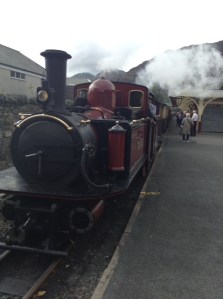
Slate train 1   Slate train 2

After a night in Conwy, we travelled to the pretty village of Llangollen – if I tried to pronounce that one for you, I could be arrested for swearing – where we had a delicious cup of coffee at a cafe recommended by Michelle. We admired the rive Dee and explored the main street, where I was struck by the wording on the First World War memorial: “They whom this memorial commemorates, were numbered among those who, at the call of King and country, left all that was dear to them and, finally, passed out of the sight of men by the path of duty and self-sacrifice, giving up their own lives that others might live in freedom. Let those who come after, see to it that their names be not forgotten.”
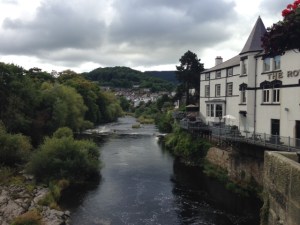
Welsh village LL 2   Welsh village 3

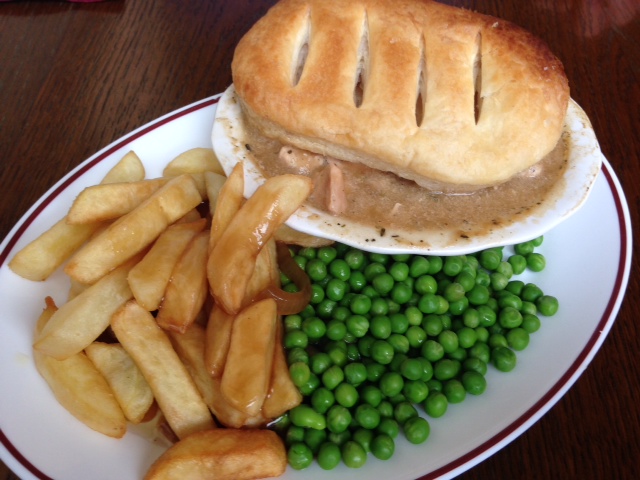
With these poignant words still fresh in our minds, our tour then took us across the border to Ludlow, a town with a vibrant medieval heart. And a pub that boasted a menu of more than forty pies; we shared the chicken and mushroom pie with chips and fresh peas sitting in a tidal pool of gravy.

Ludlow 1   Ludlow 2

After lunch, our route hugged the England-Wales border, including a mid-afternoon stop at the ruins of Tintern Abbey, mostly dating from the late 13th century, and in disuse since the dissolution of monasteries under Henry VIII. Our group also spent some time at a nearby pub specialising in traditional cider, or ‘scrumpy’. At 10% alcohol, half a pint was sufficient enjoyment.

Tintern

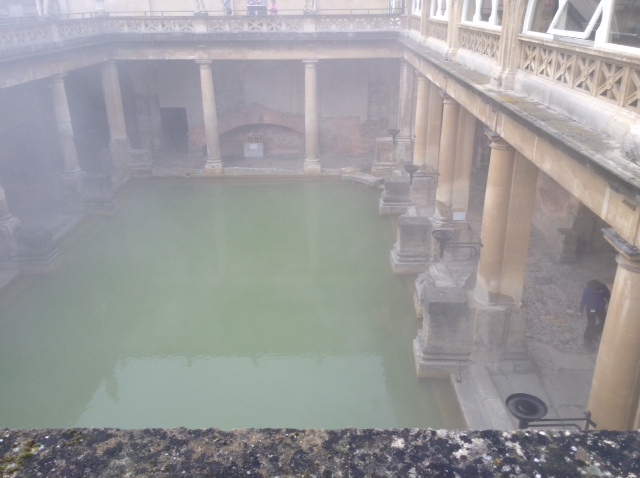
After an overnight stay at Bristol, the last day of our tour took us to two famous destinations – Bath and Stonehenge. After viewing the mist-shrouded Georgian beauty of Royal Crescent, we arrived at the Roman Baths. Equipped with a map and an audio guide, Maggie and I spent a good hour taking in the extensive baths site, which had been excavated, conserved and presented to a very high standard. We concluded our visit with a delightful, yet inexpensive, morning tea experience in the site’s tea salon, complete with a trio of pianist, violinist and cellist.
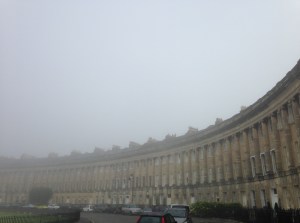
Royal Cres   Roman baths 1

Roman baths 3

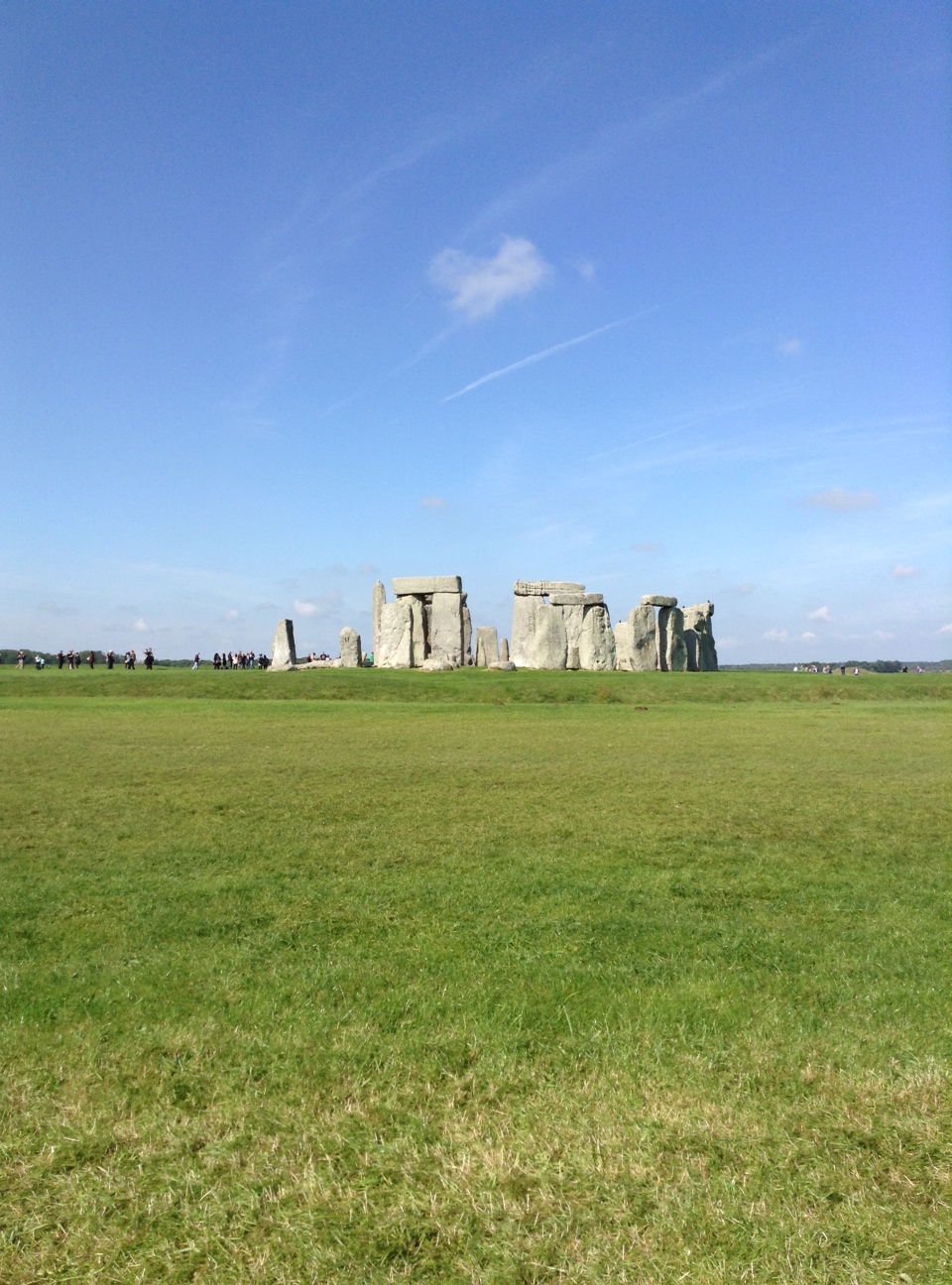
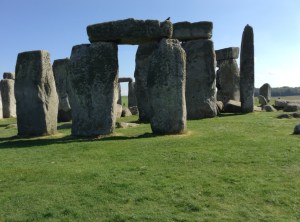
We reached Stonehenge early in the afternoon of a sunny and warm day. We’re not sure how highly to rate this destination. Clearly, its construction is monumental, both physically and intellectually. For us, it wanted for something that we can’t quite grasp at this point; a viewing at sunset on a day of equinox or solstice would probably do the trick?
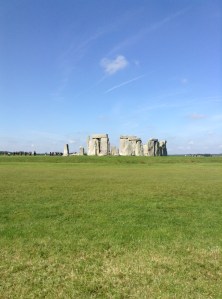
Stonehenge 2   Stonehenge 4

Stonehenge 5

By 5pm on the seventh day, we were back at our starting point in London, very satisfied with our latest touring experience. We are happy to recommend this tour for anyone who would like to visit several scenic highlights of Britain, in a relatively short time, with a good variety of natural and built places of interest. In our feedback to Insight Vacations, we have given a thumbs-down to Stratford-upon-Avon and suggested that it be replaced with more time in York. Otherwise, the itinerary more than met our expectations.

Posted in Travel | Tagged , , , , , , , , , , , | Leave a comment

London: the witnesses for the defence

We began our 2015 European travels with three days in London. At this point, following a six night tour of other parts of Britain – we still can’t decide how we feel about London as a visitor destination.

The case for the defence of London’s reputation argues that, having arrived after 30 hours of travel (from home to hotel) and having slept for barely 2 hours of the previous 40, we just weren’t up to the task of exploring London’s cultural, scenic and historic wonders energetically. Furthermore, we have been spoilt by our previous trips to Europe, so our enthusiasm for the artistic, musical and culinary virtues of London was tempered. And, to add insult to injury, we have, as citizens of the British Commonwealth, already seen and heard pretty much all we care to know about the British Royal Family, its lodgings and the history of its predecessors, from as far back as 1066, through Agincourt, Trafalgar and Waterloo, to the present day.

However, despite these impediments, we did enjoy some elements of London: the ‘pub’; Hyde Park & Kensington Gardens; the British Museum; the ambience, buildings and gardens of the well-to-do inner boroughs. And, in spite of our republican proclivities, we could not help but notice that countless thousands of visitors from other countries, and many of our fellow-Australians, were excited to be putting faces to such famous place-names as Buckingham Palace and the Tower of London.

So, here are some favourite photos from our three days in London, with some brief stories and observations.

The first two photos show sections of the water feature that is a memorial to Princess Diana. It was a large loop, situated on a gentle slope, with a whimsical series of rock formations which channelled and tumbled the flowing water which, in turn, combined with natural light to create visual effects, all interspersed with occasional bubbling holes that added further water volume, sounds and appearances. Clever, appealing, accessible, gentle, a bit like …

Hyde Park 3   Hyde Park 1

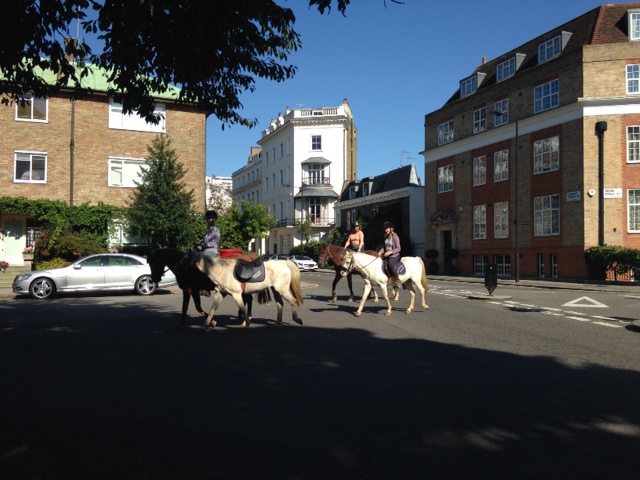
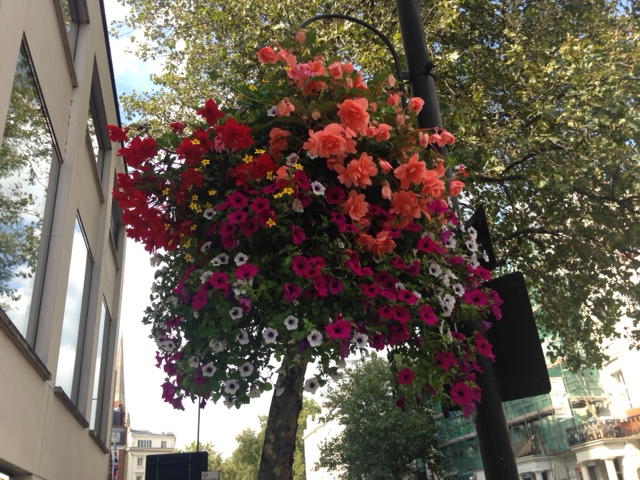
The next group of photos were all taken in the neighbourhood between Paddington Station and Hyde Park, where out hotel was also located. Maggie particularly enjoyed all the ‘pots of colour’ that adorned light poles and the front of local homes.

Street scenes 2   Street scenes 3

Street scenes 1   Street scenes 4

On our second day, we hailed a cab and gave the driver a list of sites we were happy just to view. These included Marble Arch; Park Lane; ahem, Buckingham Palace, cough, splutter; Westminster Abbey; Big Ben; and various other sites along the way, ending at St Paul’s Cathedral. After a refreshing pot of tea, we then made our way to Covent Garden, complete with white balloons forming a cloud mass, and a statue of Dame Margot Fonteyn.

Day 2 sites 1   Day 2 sites 3

Day 2 sites 2

After a brief visit to each of Piccadilly Circus – dull in daylight, lively at night – and Trafalgar Square – pigeons and tourists competing for the spoils of Victory – we entered one of London’s famous shopping palaces – Fortnum & Masons. This store has to be seen to believed, and that’s just the price tags! Then there are all the otherwise regular-looking people pushing large shopping trolleys around and loading them up with, say, dinner settings of fine china costing several multiples of a thousand dollars. Before, you know, moving on to the good stuff!

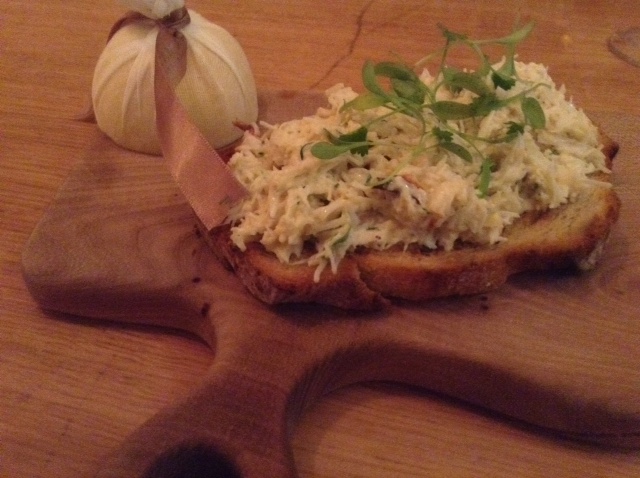
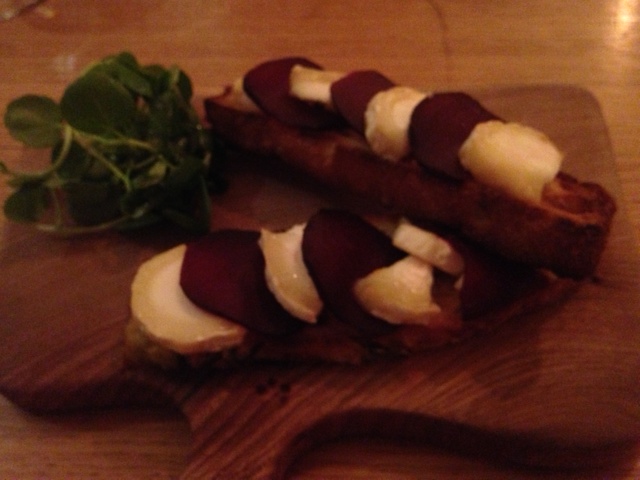
Anyway, gasping for a good lung-full of un-rarified air, we made our way to the food hall, looked briefly at the Scottish salmon going out at around $250 per kilo, and found ourselves at the Wine Bar. Daring to look at the menu, Maggie discovered that, for just over twelve quid, you could treat yourself to a nice glass of European plonk and something quite delicious on a bit of upmarket toast. French Rose and crab for her, a Portuguese ‘green’ wine for me with soft goat’s cheese and pickled beetroot. We felt really posh-like we did, for those 45 minutes.

FM lunch 4   FM lunch 5

Finally, on the morning of our third day, we rose in good time to be outside the British Museum at 10am in a modest queue. We began with the galleries of Egyptian Antiquities and other ancient civilisations of the Near and Middle East.

Brit Museum 1   Brit Museum 2

Brit Museum 5

Then we visited the galleries devoted to those relics from the Parthenon, the most supreme building of ancient Greece, which are housed in the British Museum. These are also known as the Elgin Marbles.

I am not going to enter into the debate about whether or not these remarkable items should be repatriated to Greece. What I can say is that they are quite magnificent, despite a long history of abuse and neglect prior to their being carefully annotated, removed, shipped to England and, on our viewing, curated expertly.

Brit Museum 3   Brit Museum 4

Perhaps the prosecution case – that London is one of yesteryear’s heroes – has some ground to make up. You will hear about that, and receive the jury’s verdict, after we have spent October 4 and 5 on a return visit to London.

Posted in Travel | Tagged , , , , , | 1 Comment

Nest eggs

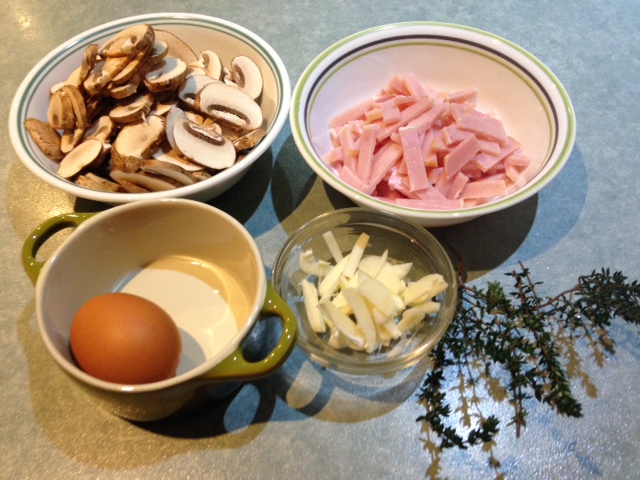
Eggs, bacon, mushrooms – what’s not to like, with some thyme, garlic and cream added to the mix? And look, hassle-free plating and only one cooking pan.

Oeufs 5

When Julian & Sara married in December 2012, we gave them a lovely Le Creuset casserole dish, aka Dutch oven. As part of the deal, another Le Creuset product was offered at a big discount – a set of ramekins known in France as ‘cocottes’. Believing our kitchen was already well-stocked with baking dishes, I resisted this temptation. Maggie dug her heels in and the rest, as they say, is her-story!

This is a regular match-play in our home. The next stanza kicks off with me saying “well, you’d better find a recipe then”, followed an hour or two later by a rejoinder of “tah dah!” So, several times each year, especially in the cooler months, we sit down to a lazy dinner of ‘oeufs en cocotte’.

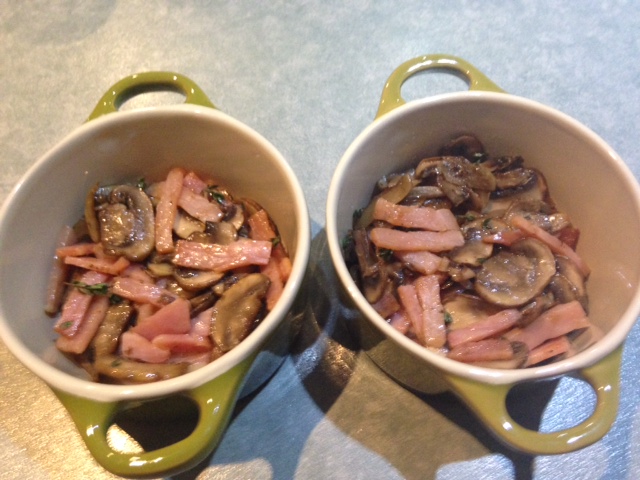
We start by frying some batons of trimmed bacon in a little oil in a pan until they are just beginning to brown. We transfer the bacon to a bowl, add about 10g of butter to the pan and add some thickly-sliced mushroom. At this point, I put a lid on the pan, slightly ajar, to encourage the mushroom to release some of its water content – this saves having to add some more butter. Then I remove the lid, add some thin slices of garlic and cook until the mushroom is just beginning to brown. This mixture is added to the bacon, along with a generous grind of black pepper and leaves plucked off some thyme sprigs, then tossed to combine.

Oeufs 1   Oeufs 2

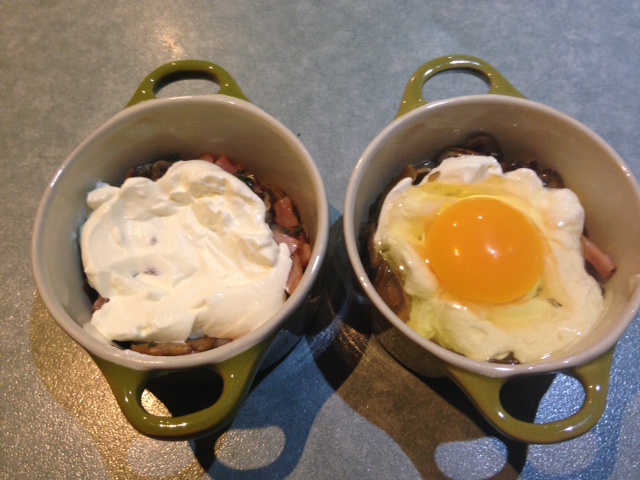
Maggie distributes the mixture between three or four cocottes – this is a method, not a recipe – and covers it with a tablespoon or so of (light) sour cream (creme fraiche). Then she cracks a fresh egg into each cocotte and drizzles each one with some cooking cream.

Oeufs 3   Oeufs 4

We place the cocottes onto a baking tray and put the tray into an oven pre-heated to about 170C. It takes up to 15 minutes to cook the eggs; you can easily monitor progress through the thin layer of cream. Maggie likes to serve some ‘soldiers’ of toasted sourdough alongside her cocotte; I prefer a whole slice of toast, onto to which I empty the contents of my cocotte. Either way, it is very tasty, with lovely textures.

Posted in Cooking | Tagged , | Leave a comment

Seasonal scallops in the spotlight

Last month, I wrote enthusiastically about a dish we prepared of Tasmanian scallops, wrapped in prosciutto and roasted. Think of this as the sea-quel.

Over the last few months we have settled on new arrangements for buying fresh seafood. Previously, we shopped at one of the fishmongers at Prahran Market; sadly, since a change of ownership … Meanwhile, we had already begun to patronise a relatively new fish shop closer to home; Eat Fish, in Ashburton is actually owned by a long-established seafood wholesaler. And, for special occasions, we have returned to Kingfisher at Camberwell Market, which is where we bought the aforementioned scallops.

Anyway, we went to Ashburton last Saturday morning, ostensibly to buy various ingredients  from Ashburton Meats, a few items of fruit and vegetable and our preferred toasting bread – Irrewarra Sourdough. We also took a sample of our favourite calamari dish, which we had cooked the night before using calamari tubes from Eat Fish; we often do this for our suppliers – a mixture of reward and feedback. Before I left the shop, I casually enquired about the quality of the fresh (Victorian) scallops; “Best season in 30 years” was the response. Before I left the shop, I bought 300g of the scallops.

Scallops meuniere

The scallops were very plump, dry, clean and fresh on the nose. We decided to prepare them – for a light Sunday lunch and a Monday-lunch-at-work for Maggie – in my version of a meurniere style.

To begin, I tossed the scallops in a plastic bag with some plain flour. I removed the scallops one at a time, shaking them vigorously to leave just the barest coating of the flour. (The flour helps to thicken the sauce, but you don’t want to overdo it.) Next, I melted about 15-20g of butter in a heavy-based 20cm pan until very warm, and cooked the scallops in two batches of seven. As they were so plump, I gave them a total of three (3) minutes cooking time each, before transferring them to a dish to be kept warm in an oven heated to 80C.

To finish the sauce, I reduced the heat and added 1/4 cup of dry white wine – a lovely Clare Valley Riesling, of which we would both drink a glass with our lunch. I let the wine bubble and reduce by about 50%, before adding another small knob of butter, a generous pinch of salt, ditto for black pepper, 40ml of freshly chopped parsley and 40-50ml of cooking cream. (The last ingredient is NOT used in a traditional meuniere sauce but it works in our kitchen.) To add some VERY traditional lemon juice, I squeezed 1/2 a lemon and tossed the warm scallops in the juice before adding it all to the sauce, followed by gentle stirring to coat the scallops well.

The scallops were served on a bed of basmati rice which had been cooked in the saffron-infused liquid leftover from steaming some mussels for our favourite mussel dish a few weeks ago. It was a beautiful, palate-thrilling lunch!

Posted in Cooking | Tagged , , , | Leave a comment

Cruising, but only just; crazy, just crazy

Australia is a long way from both Europe and North America; our population is relatively small; and our residents can visit many parts of Asia and the Pacific for a relatively small outlay and without spending 24 hours or more just to get to a destination. Consequently, the number of Australians who fly to Europe is minute compared to the numbers of Asians and North Americans. Less demand + longer flights = more expensive.

So, although it is still a fortnight ’til Maggie and I depart for our next visit to Europe, we have already begun to plan and make bookings for another trip in 2016. Early plans + early bookings = less expensive.

And now we have discovered another reason to get your bids in early – the world has gone crazy for European river cruises. We had some idea that this was the case, having seen cruise ships on the Rhine when we were in Central Europe in April/May last year. Now we have incontrovertible evidence. We have just secured the last cabin with a modest deck, for a cruise from Amsterdam to Basel, 12 months from now! And our chosen cruise line, Viking, is already taking bookings for 2017. Crazy stuff!

I will tell you about the other places we plan to visit next year, after we have returned from our imminent travels in England, Scotland, Wales, Croatia and Singapore.

Posted in Travel | Tagged | Leave a comment

Moorish Marylands

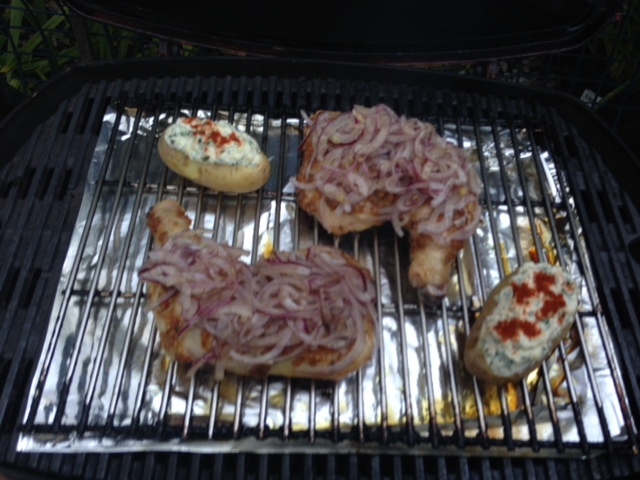
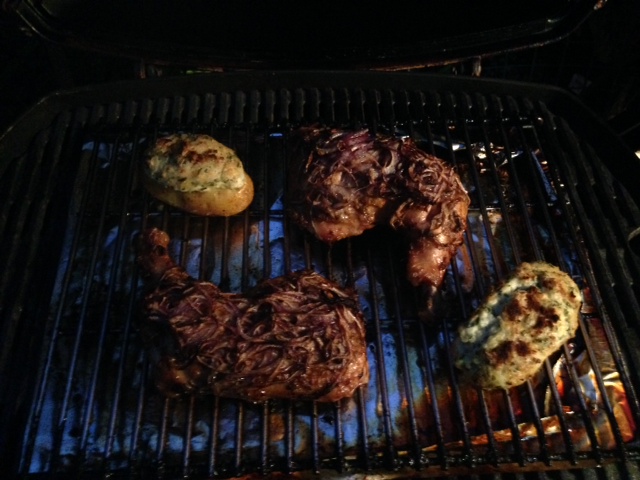
This delicious Moroccan-flavoured dish is one of several we added to our repertoire after we bought a Weber Q at the end of 2012. Using the Weber as an oven produces a result that is moist and evenly cooked, with just the right amount of caramelisation.

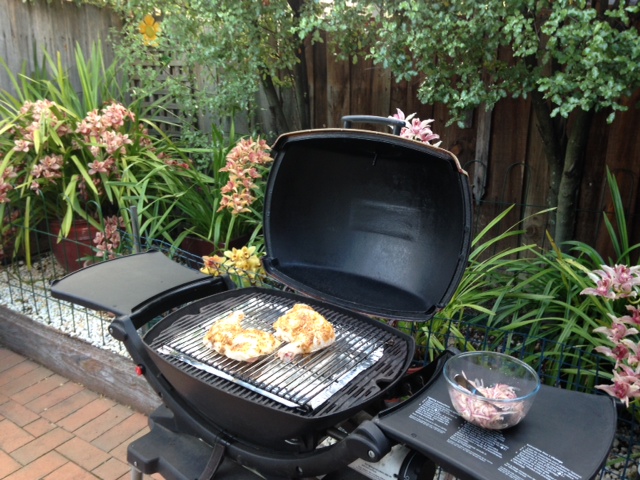
Ready to light up the Weber; some of our beautiful orchids in the background

Ready to light up the Weber; some of our beautiful orchids in the background

We usually use a whole, butterflied chicken but we inadvertently bought some oversized Marylands recently, and they worked just as well (see step 6 in the method).

Ingredients

2-3 cloves garlic, finely sliced
1 tsp cumin seeds
1 tsp coriander seeds
1 tbsp young thyme leaves and sprig tips
½ tsp paprika
¼ tsp chilli flakes
¾ tsp sugar
flesh of ¼ of preserved lemon
1 tsp chicken stock powder
25-30ml extra virgin olive oil
1.6 kg free-range chicken, butterflied
1 red (Spanish) onion
extra olive oil

Method

  1. Combine all ingredients except chicken, onion and oil in a mortar and pestle and pound. Add enough oil to form a thick paste.
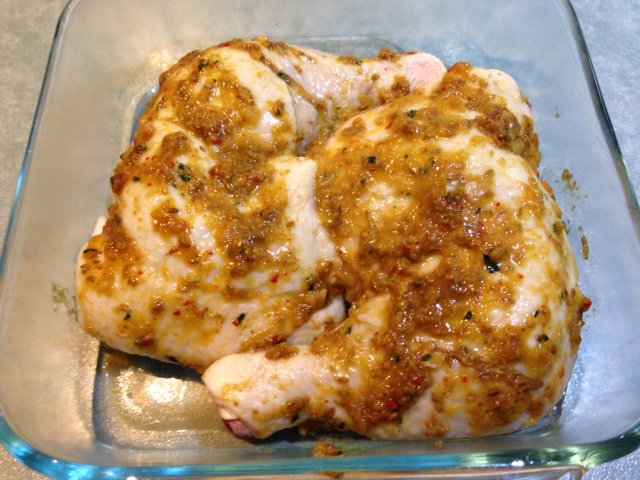
  2. Cut three of four slashes into the skin on the meatier parts of the chicken. Spread the paste over all surfaces of the chicken. Place chicken in a large dish, skinside up, cover and refrigerate overnight.
  3. The next day, bring the chicken to room temperature (about 45 minutes). Peel, halve and finely slice the onion, then toss it in a bowl with a little olive oil and salt.
  4. Prepare your BBQ as if for a roast and place the chicken on the trivet before you light the gas. Scatter the onion over the chicken when the temperature reaches 180C, then roast for a further 50-60 minutes, or until the slices of onion have started to caramelise.
  5. Remove the chicken and carve into pieces to serve.
  6. This recipe works best with a whole chicken or half a chicken, to provide a platform for the onion slices; or you could use smaller pieces of chicken and cook the onion separately in an aluminium BBQ tray.

(I will add some better photos of the finished dish next time we cook it, which will be soon after we return from Europe.)

Moorish marylands 1   Moorish marylands 2Moorish marylands 3   Moorish marylands 4

Posted in Cooking | Tagged , , | Leave a comment