Visit to Croatia: day trip to Kotor, Montenegro

Firstly, my apologies to anyone who was sent a version of this post without any text. For the first time, in more than 170 posts, I accidently hit the ‘Publish’ button!

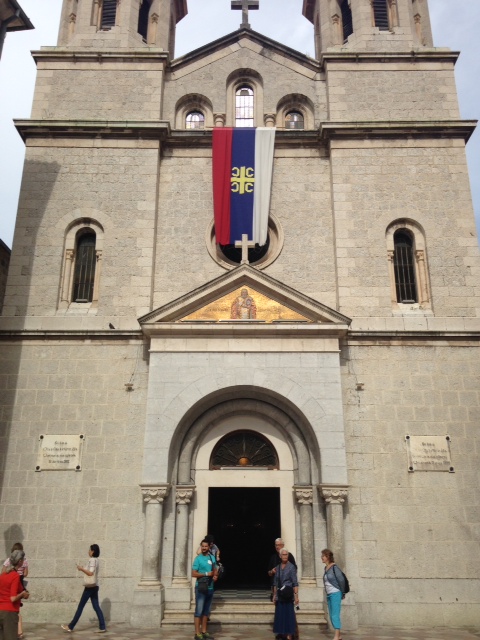
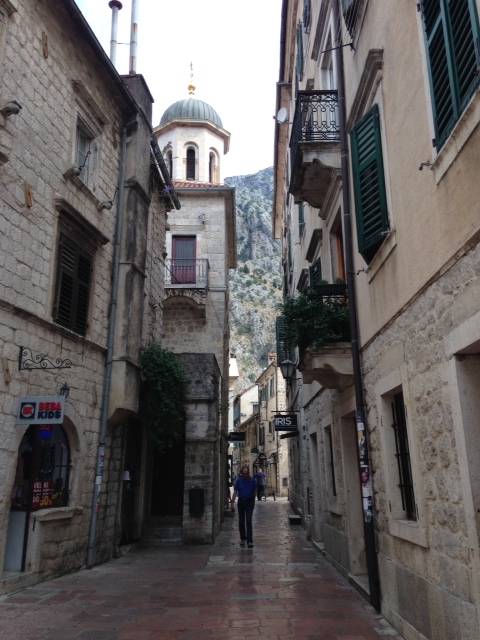
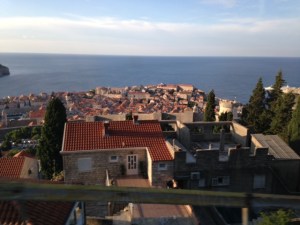
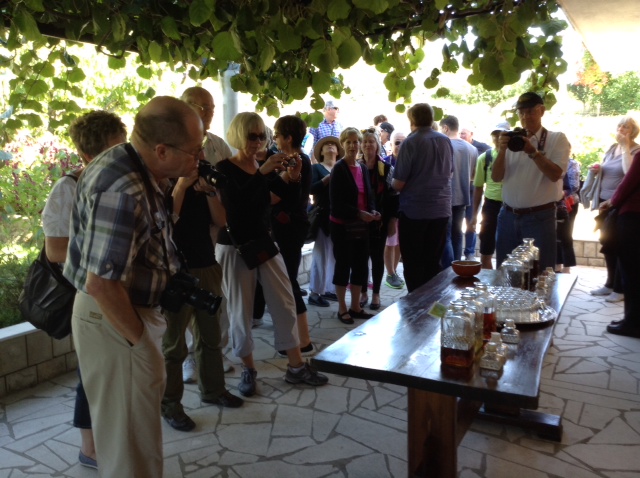
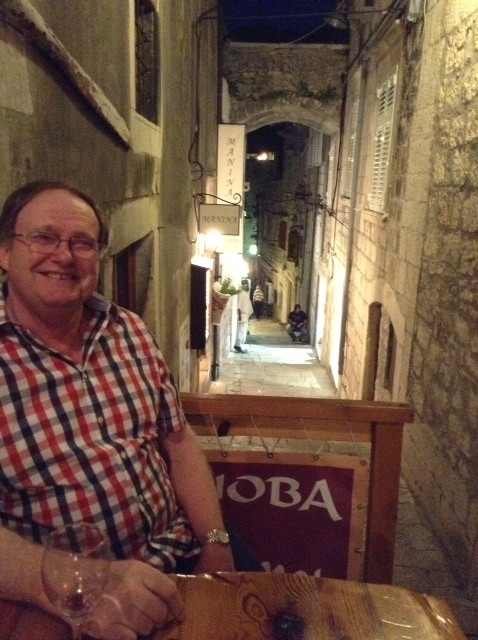
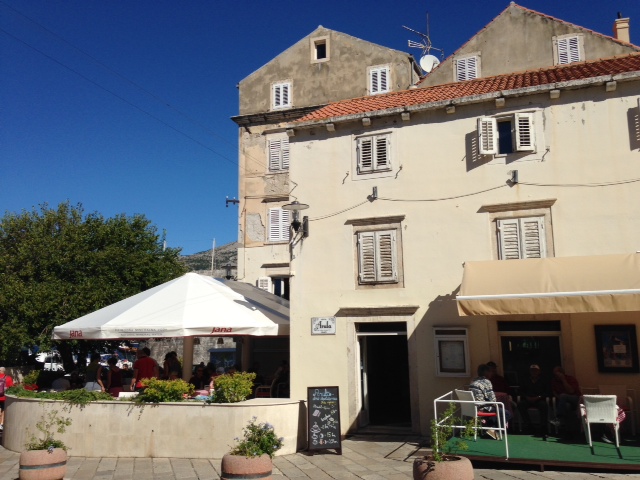
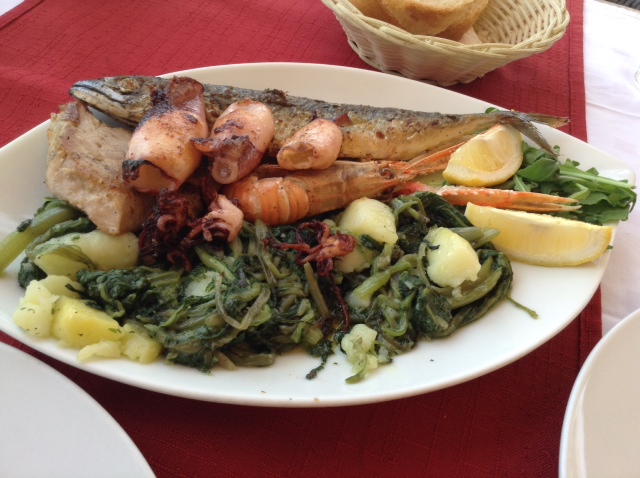
These photos are from a day trip we took during our tour of Croatia. It was a long day, with a lot of time on the road, hassles at the border crossing, queues for toilets and a so-so lunch in a so-so location, Budwa.

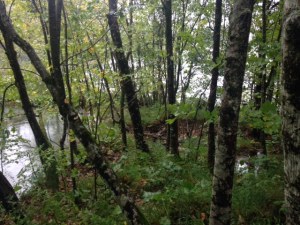
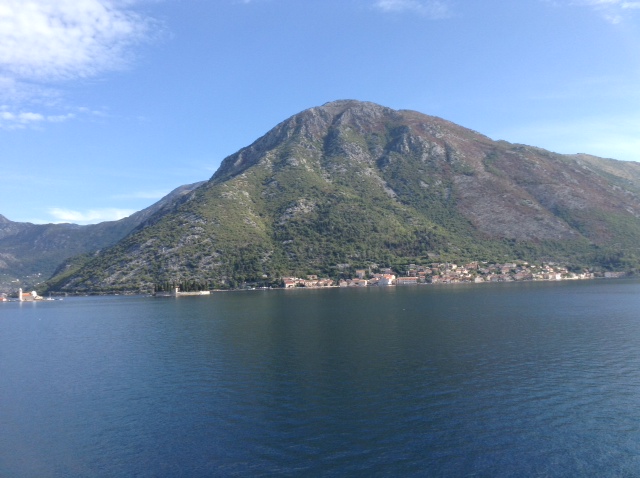
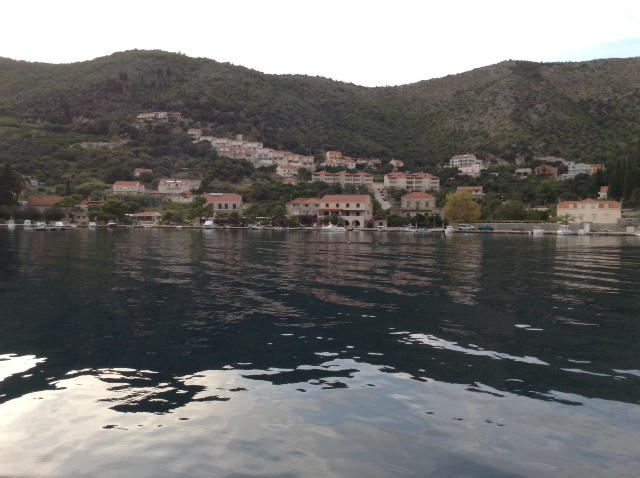
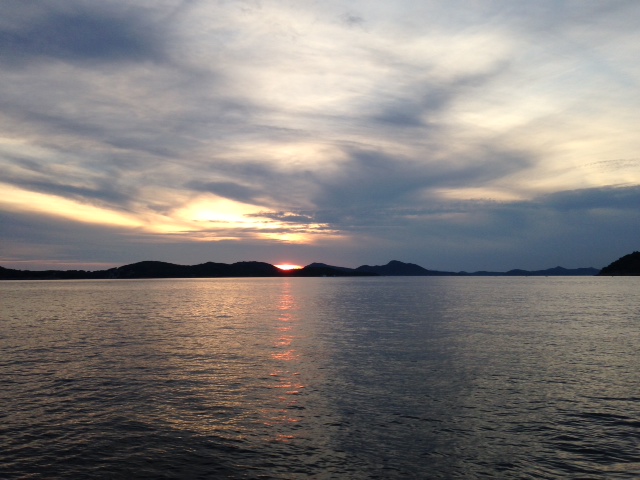
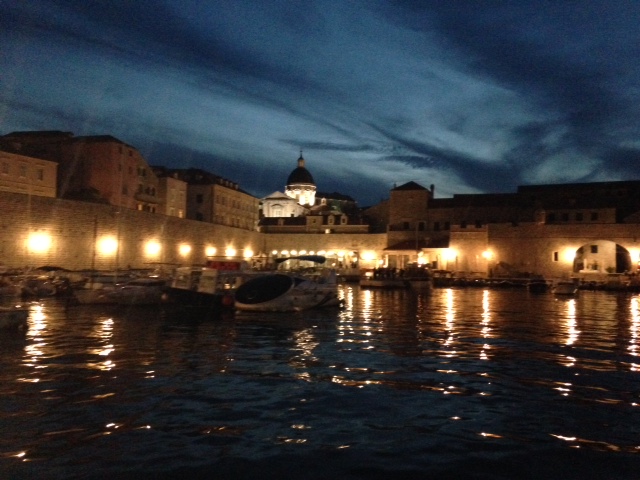
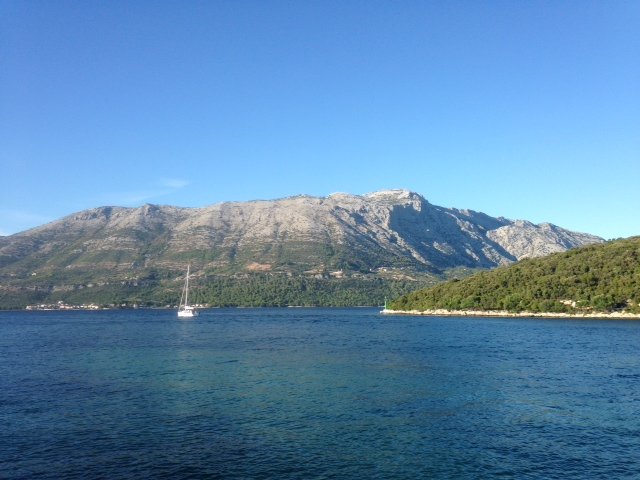
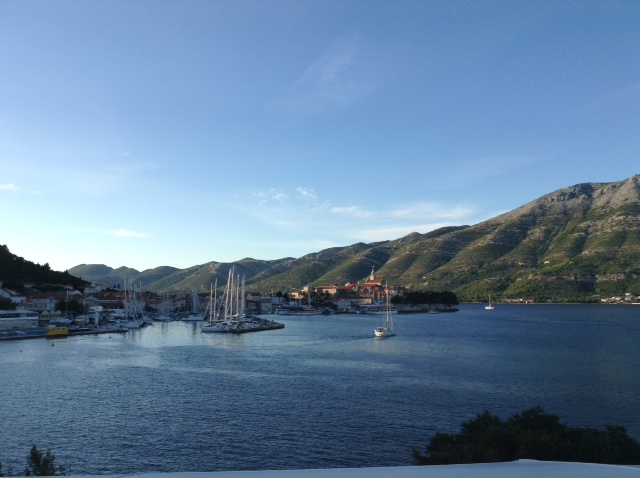
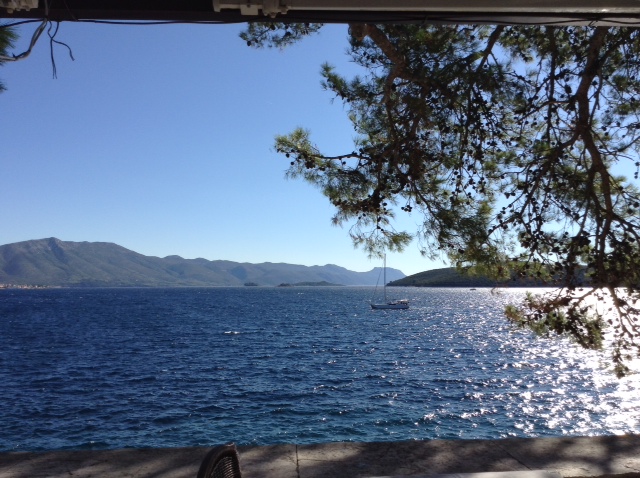
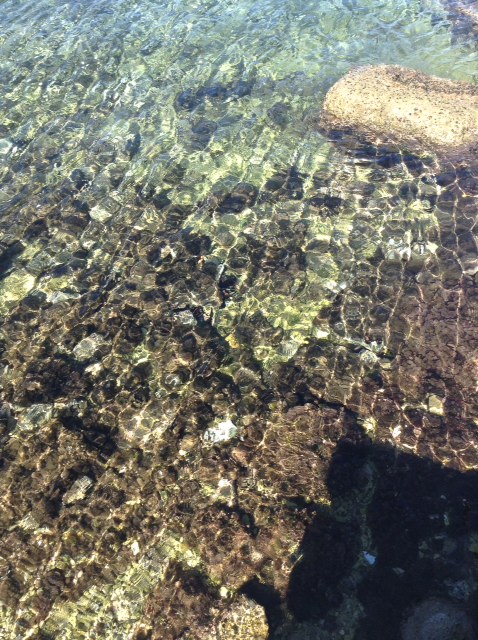
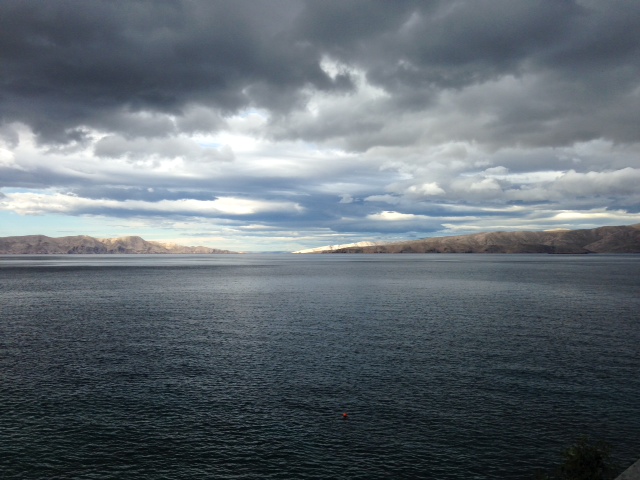
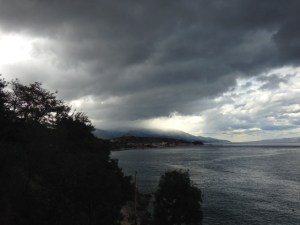
However, Kotor itself was very attractive, as was the water body – the largest fjord in the south of Europe – on which it is located.

03 Fjord   02 Fjord

05 Kotor   07 Kotor

09 Kotor   08 Kotor

This is the last of ten posts I have published about our visit to Croatia. And now it is less than nine months until we fly to Amsterdam, via Dubai, for our next visit to Europe. Not that we’re counting!

Posted in Travel | Tagged , | Leave a comment

Visit to Croatia: Ston & Dubrovnik

After our short ferry ride from Korčula to Orebic, our coach took us back down the Pelješac peninsula to the town of Ston. For many centuries, Ston was part of the republic of Dalmatia, whose leaders managed to retain a remarkable independence from the forces of both Venice and the Ottoman empire.

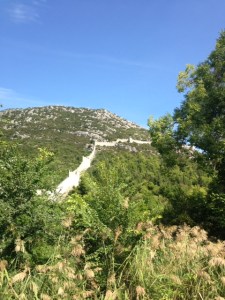
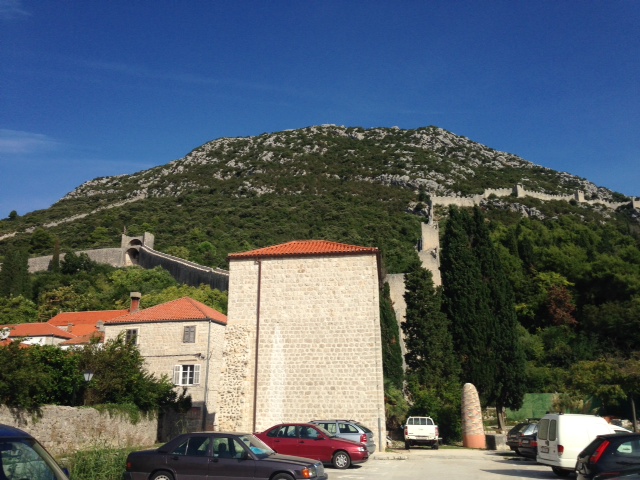
Today, Ston is best known for the extensive remains of the wall which was erected in the 14th and 15th centuries to protect the precious salt pans in the area. (Salt had been more precious than gold since at least Roman times when soldiers were paid in salt, hence the word ‘salary’.) The wall is the second largest in the world after the Great Wall of China; restorations are ongoing and it is possible to walk on some sections.

05 Ston   01 Ston

From Ston, it was only a short drive to Dubrovnik, where we would spend the last three nights of our tour. We were taken straight to the main drop-off point just outside the main gate of the old city. There were many hundreds of tourists there, along with all manner of offers for escorted walks, boat rides, etc, and we heard that there were FIVE cruise ships in port!

Happily, our group was soon in the hands of a local guide, Ida, who had grown up in the old town and had been a child of school age on the day in October 1991 when the city suffered its first artillery attack from the Serbian-lead Yugoslav army and navy. (The shelling continued for more than 12 months before a truce was negotiated, in relation to Dubrovnik, although the wider hostilities continued until 1995.)

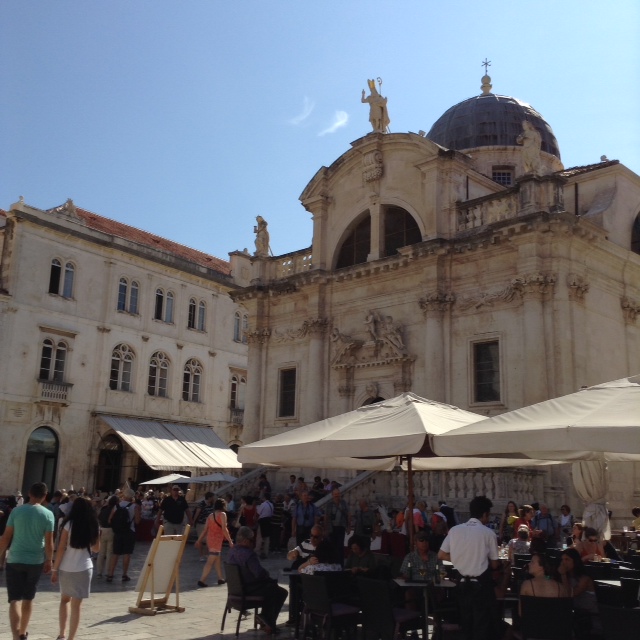
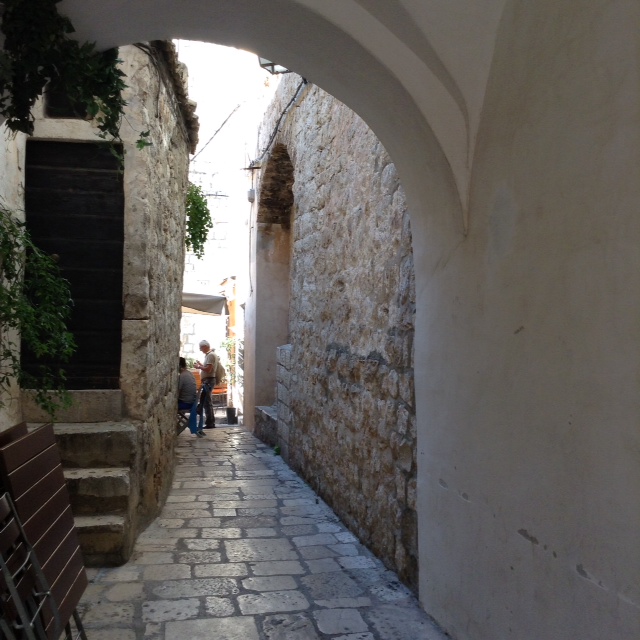
Ida covered the facts of the events of 1991-92 and then took us through the gate and into the town itself. Despite the crowds, it is was not difficult to appreciate the attractions of the Dubrovnik, with stone buildings lining both sides of the main street and the many interesting smaller streets and alleyways leading from it.

We learnt from Ida that the population living within the walls of the old town is dwindling and is mostly older people. The legitimate heritage restrictions make it both difficult and expensive to modernise residential buildings to suit contemporary family life. For the same reason, work to repair the damage of two decades ago can be slow and complicated; we saw ample evidence of shrapnel damage to external walls of some buildings.

07 D town   09 D town

12 D town   14 D town

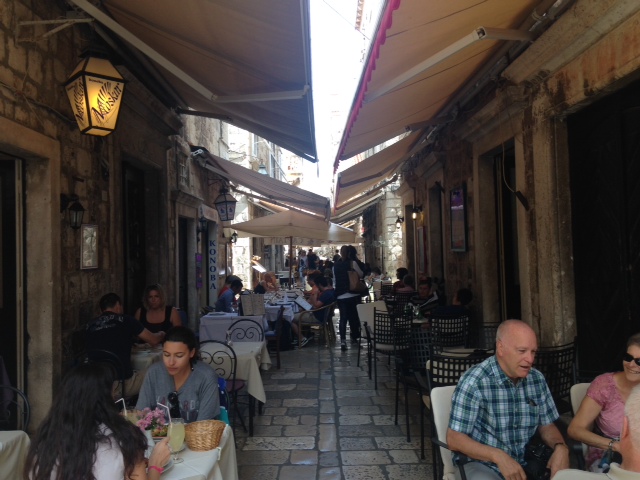
When our guided walk finished, it was time for lunch. It seemed that most of the narrow streets of the town were occupied by eating establishments and most of them were offering food with a pronounced Adriatic leaning, to be eaten al fresco. Soon enough, we were enjoying a lunch of mussels for Maggie, a seafood risotto for me, a simple salad and a glass of white wine.

16 D lunch 1   18 D town

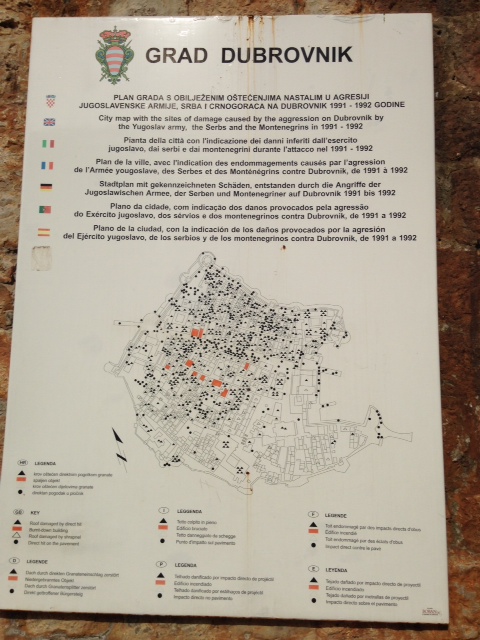
These next photos provide three markedly different views of Dubrovnik. The first is of a sign, erected just outside the main gate, indicates the buildings and streets which were damaged by artillery shells. (There were more than 90 deaths in the town, mostly Croatian soldiers.)

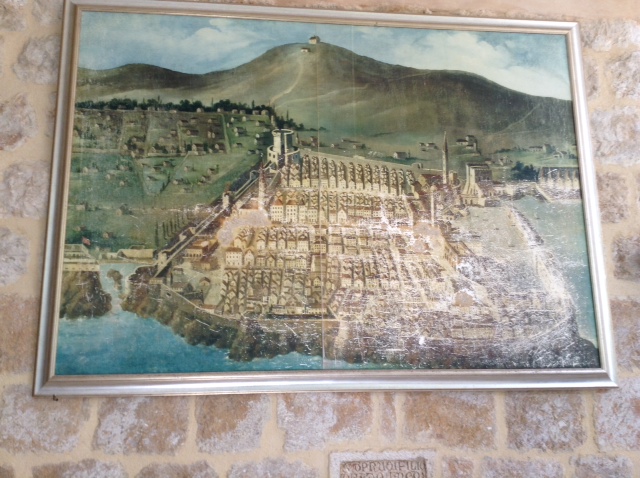
The second is of a work hanging in the Franciscan monastery, showing the town as it would have looked in medieval times, including the hill from which Dubrovnik was shelled in 1991. The monastery is also home to Europe’s oldest apothecary/pharmacy, dating from early in the 14th Century. (I am descended from apothecaries, so I was easily persuaded to pay what turned out to be an unreasonably large sum to, enter the monastery!)

And the third photo is one I took from our tour coach, driving along the highway just above the old town.

23 D town      20 D town

30 D view

Lunch, the monastery visit, a little souvenir-shopping – six grandchildren and counting – and some gelato – you CANNOT go broke selling ice-cream in Croatia – and then it was time to check into our hotel in one of the modern areas of Dubrovnik, relax and freshen up. For our day of touring was not over – we were booked on a sunset cruise.

The sunset cruise was very enjoyable, a highlight of the optional tour add-ons. It was just members of our group on a compact and comfortable boat, operated by a family who were the perfect hosts. They took us from Dubrovnik’s new port, into the sea to watch the sunset, and then to a quiet bay where they served a fresh fish dinner and some of their own cheap and cheerful white wine. The cruise finished at dusk, in the glow of the lights of the old port.

25 D cruise   26 D cruise

29 D cruise

The next morning, we set off straight after breakfast for a day trip to Kotor, in Montenegro, an option that had been recommended by friends who had been on this tour a couple of years ago. I will cover this outing in my next post.

On our final day in Dubrovnik, Maggie and I chose to stay behind, while most of the group went on another optional day trip. The forecast was for a fine, mild day and I had decided to do the walk around the city walls (as previously posted).

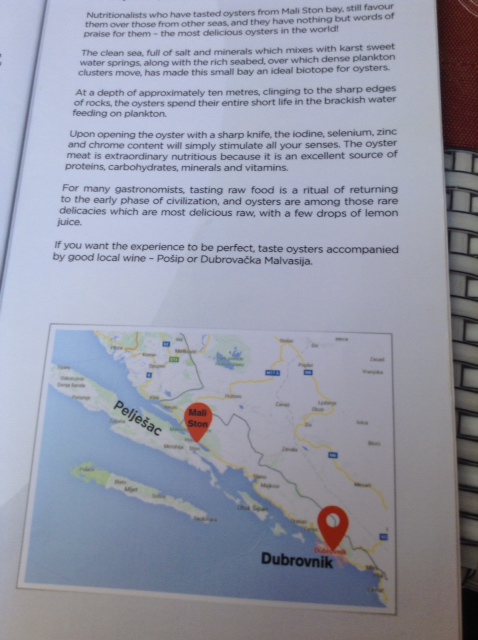
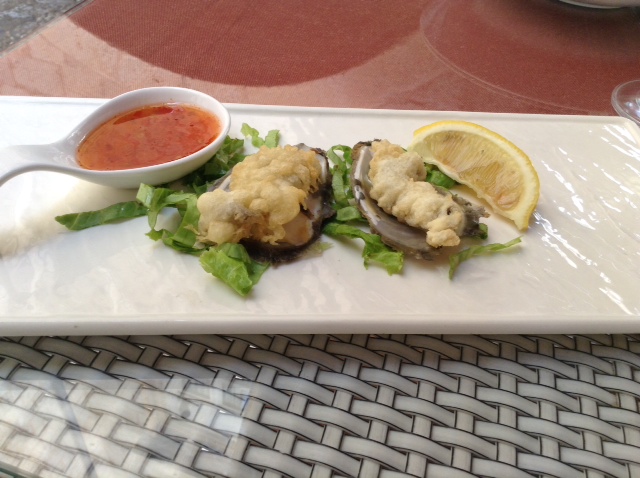
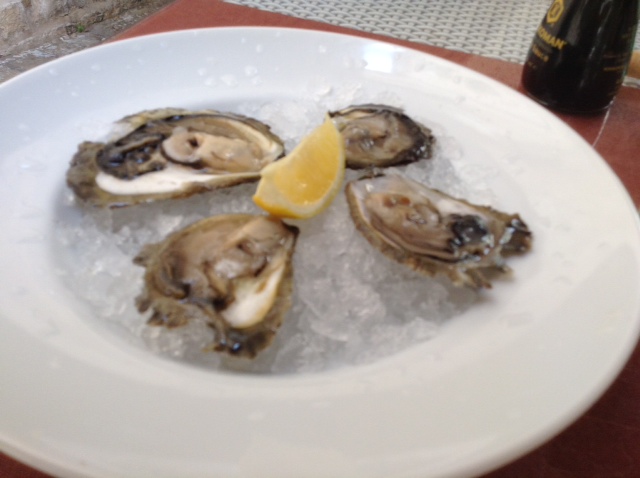
After I had finished the walk, I met Maggie and we made our way to Bota, a sushi and oyster bar; Maggie was quite keen to try some oysters from the farms we had seen a few days previously. The restaurant’s commitment to the local oysters included a full page in the menu, describing the types of oyster and the farming process. We enjoyed some tempura style and some au naturel; they were excellent.

31 D lunch 2   34 D lunch 2

35 D lunch 2   36 D lunch 2

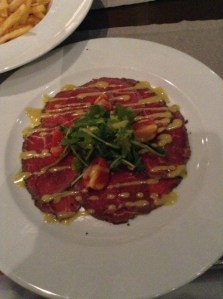
After lunch, we spent another pleasant hour in the old town and then used the efficient local bus service to return to our hotel. We were scheduled to join the rest of the group later in the day for a farewell dinner, but Maggie was feeling a little unwell and, to be honest, we were both feeling ‘tour-lagged’. So, we rounded off our visit to Dubrovnik with a quiet dinner at the hotel, enjoying some fine food – beef carpaccio for Maggie, baby calamari for me – Croatian wines by the glass, and the views from the hotel balcony.

39 D dinner   40 D dinner

Posted in Travel | Tagged , , , | Leave a comment

Rack ’em Danno


Maggie and I returned from Europe in the second week of October, slap bang in the middle of Spring-lamb season. Although the supply of quality cuts of lamb is not as seasonal as it once was, it is still the case that it is at its peak in Spring. So, we make the most of it and have lamb on the menu frequently.

This season, we have cooked a rack of lamb – the most succulent and expensive cut – on two occasions. The cooking methods and the quality of the end result varied significantly and, while the former will account for most of this post, the latter matters too. (Did you see what I did there?)

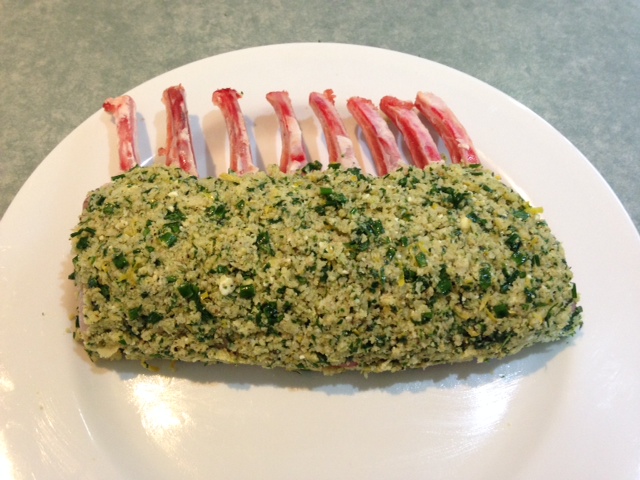
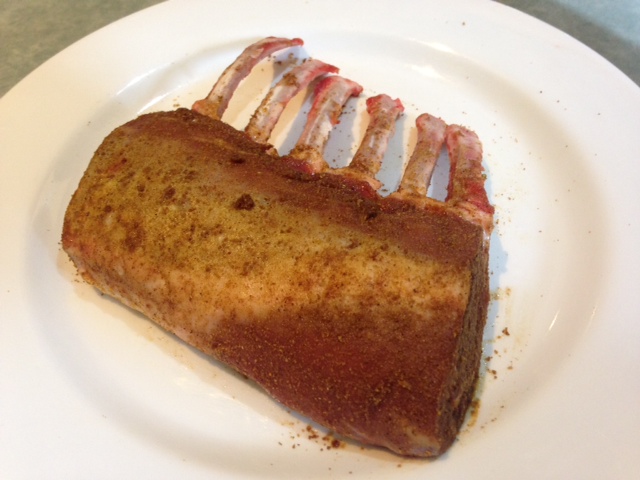
Lamb rack 1   Lamb with palak 1

I’ll start with the 8-point rack – enough for 3 or 4 Senior’s Card holders – on the left.

The coating is made from: 1/2 to 2/3 cup homemade breadcrumbs, 2 tsp (10ml) Dijon mustard, 3 tsp chopped parsley, 1 grated or finely chopped clove of garlic, 30-40g crumbled feta, plenty of black pepper, a generous pinch of salt and enough olive oil to give it a gloss. (You could add 1 or 2 tsp of lemon zest, if that appealed to your palate.)

The result? We bought the lamb from a butcher at Prahran market, who is our preferred supplier of cuts of veal. His display of lamb racks looked very tempting; we didn’t try to resist. Unfortunately, this rack was a bit chewy and the flavour of the meat was not great. But the coating worked as well as it usually does.

The second rack was purchased at Ashburton Meats, our preferred supplier of beef, lamb and pork. We prepared this 6-point rack by applying an Indian spice rub the day before we cooked it. Meanwhile, I cooked some palak, the Indian dish made from spinach. Then, while the lamb was roasting, I made a spicy rice pilau, combined some yoghurt and chopped mint in a small dish and heated some naan bread in the electric toaster.

This meal was completely delicious. The lamb was tender, juicy and flavoursome, and the spice rub proved to be very compatible.

The rub is made by combining 2 tbsp (40ml) ground cumin seeds, 1 tbsp ground coriander, 1 tbsp Madras curry powder, 2 tsp (10ml) ground cardamom, ½ tsp garam masala, 1½ tbsp sea salt flakes, 2 tbsp brown sugar and 1 tsp ground cinnamon. This is sufficient for several meals.

We also use the rub when making a fish curry, adding the spice mix to some softened onion and garlic, then chunks of fish – shark, hapuka and barramundi all work well – a little coconut cream and a little water.

I am still fine-tuning my palak recipe but, after one more attempt, it will be ready to share.

Posted in Cooking | Tagged , , , | Leave a comment

Visit to Croatia: Pelješac peninsula & Korčula

Our next destination was the town of Korčula, on the island of the same name. To reach there, we had to travel the length of the Pelješac peninsula, from Ston – more of that in my next post – to the port town of Orebic.

The axis of the Pelješac peninsula lies north-west to south-east and is only a few degrees off being parallel to the mainland. This creates a lengthy body of calm water, which is home to a large number of aquaculture farms producing oysters and mussels – more of those later also.

The northern side of the peninsula is exposed to the Bora wind but, on the protected southern side, there are areas of natural vegetation and numerous family-owned farms, growing olives, wine, pomegranates and other fruit. Our tour stopped at one of the wineries for a tasting; the red wines were very good and we are hoping to find a business that imports them to Australia.

39 penin   38 penin

42 penin      41 penin

From Orebic, we had a short ferry ride to Korčula, which is built around a pretty bay and enjoys majestic scenery in every direction. It was late afternoon, so most of the tour group unwound with a light stroll or a glass of wine sitting on the terrace that overlooked the bay, until it was time to sit down to a pleasant buffet dinner.

43 ferry   K 01

Next morning, we were joined by a local guide, who proved to be one of the best on this tour – she provided plenty of relevant and interesting information and was very careful to ensure that nobody was left behind as we walked. (So, I am kicking myself for failing to record her name.)

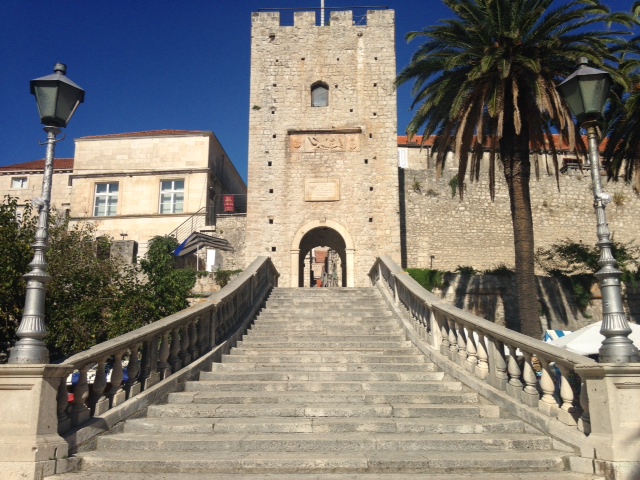
We thoroughly enjoyed both our guided walk and our own explorations following the tour. I even managed to snap a photo of the steps leading up to the main stone gate without any tourists in the frame!

K 23   K 25

K 03      K 04

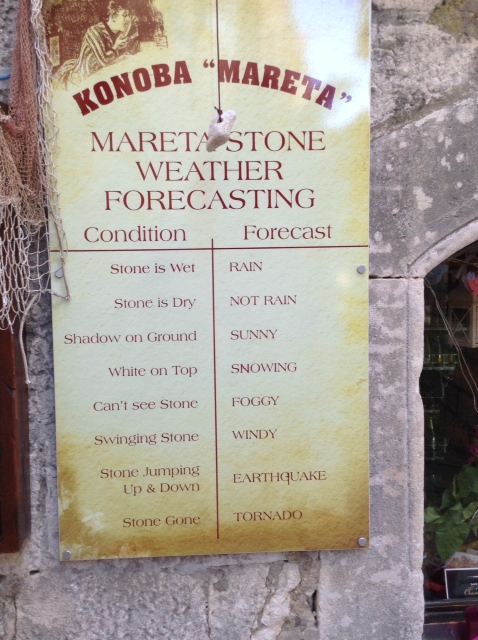
The narrow streets running off either side of the central spine accommodated a pleasant variety of private residences, tourist accommodation, bars, cafes and restaurants and some interesting shops, where we found gifts for some of the grandchildren. We also appreciated the locals’ quirky sense of humour.

One of Korčula’s claims to fame is that it was the birthplace and childhood home of Marco Polo. Although this is disputed by some scholars – and some not-so-scholarly competitors – there is an abundance of Marco Polo imagery, some just for viewing, the majority just for buying!

K 15      K 06

We enjoyed a simple but very enjoyable lunch in one of the side-streets and booked a table at a second restaurant for our evening meal. Maggie was hoping to have a feed of the local mussels.

K 21   K 22A

On our way back to our hotel, we strolled around the perimeter of the old town and then along the water’s edge. It was all very attractive and we felt like we were in the idyllic Adriatic location that we had hoped to find.

K 12      K 08

K 09   K 13

K 14

After an hour or two relaxing back at our hotel, we returned to the old town and had a delightful dining experience, sharing a mixed seafood plater topped up with a mound of mussels. We knew the mussels were fresh – they had been delivered, live, in wet hessian sacks just after we arrived at the restaurant!

K 27   K 28

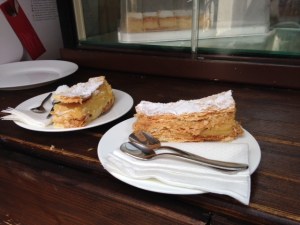
We were up at 6am next morning to ensure that the coach would be on a ferry due to depart just after 8am. While we waited to be called to the ferry, we sat on the terrace of a local cafe and shared a traditional cheese strudel to go with our coffees; the cheese was ricotta, so it was a sweet treat. Soon, our visit to Korčula was over and we were on our way back to Orebik to begin the drive to Dubrovnik.

K 35   K 26

We enjoyed every minute of our time in Korčula and we would happily have spent a third night there.

Posted in Travel | Tagged , , , | 2 Comments

Postojna caves postscript

In a recent post, which I have now amended, I wrote about a visit to the Postojna caves in Slovenia. In conclusion, I said that I had “found the experience very stimulating but I also felt that the operation was not as user-friendly as it could and, given its UNESCO status, should have been”.

Upon reflection, that seems a bit harsh and, in part, inaccurate – the cave system is NOT listed by UNESCO. The planning and investment that has been undertaken to provide safe access to the heart of the cave system, without compromising its integrity, is genuinely impressive. However, I do believe that some further effort could be made to lift the guided-walking experience to a world-class standard. If that resulted in a modest increase in the cost of an entry ticket – for foreign visitors in particular – I don’t think that would be unreasonable, given the grandeur of the cave system.

Posted in Travel | Tagged , | Leave a comment

Visit to Croatia: Brač

After our night in Split, Robert dropped us off by the city’s main seaside promenade and then took the tour coach to join the queue for the ferry that, some two hours later, would take us to Supetar on the island of Brač.

So, there we all were, in the same part of town as we had explored the previous afternoon. Maggie and I did find a delightfully quirky cafe that served excellent coffee, so good that we ordered a second round. From there, we wandered somewhat aimlessly, vaguely shopping, using an ATM, etc, until it was time to walk across to the ferry.

The ferry ride itself didn’t take long and we were soon in Supetar, an attractive seaside town. There were numerous cafes and restaurants dotted around the harbour; we shared a platter of chargrilled seafood and a combination of boiled potatoes and spinach – simple and delicious.

01 Brac   08 Trogir

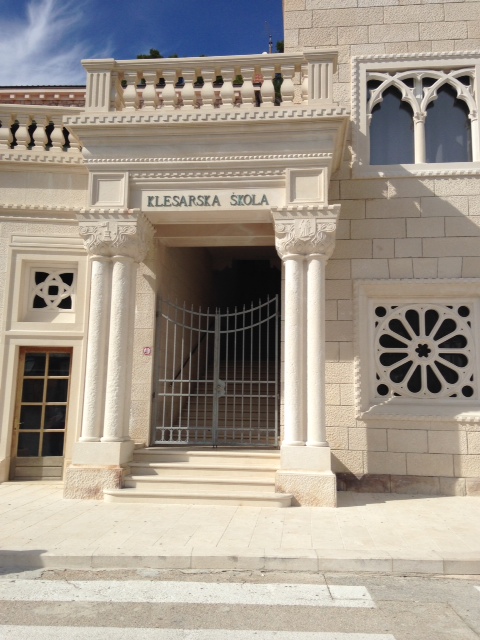
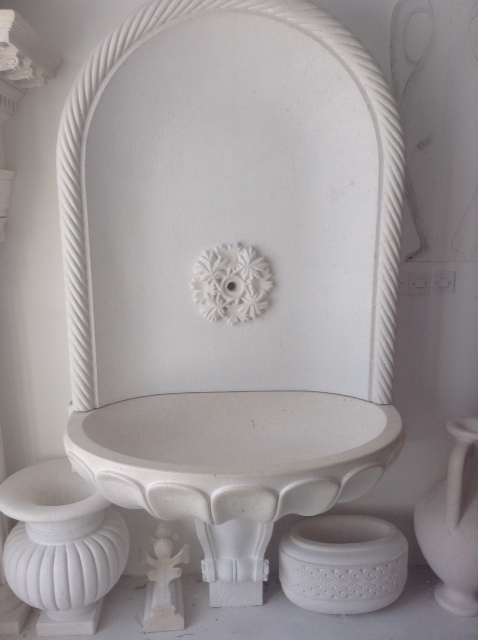
Our local guide had arranged for us to visit the renowned school of stonemasonry at Pucišca, whose graduates have been responsible for much of the modern era’s acclaimed works of stone in public places, major buildings, churches and residences, both palatial and modest.

04 Brac   07 Brac

From there, we crossed the island to Bol, on its southern coast, where we would spend the next two nights. The Bora wind was up, so only a few hardy souls were on the pebbly beaches.

28 Bol   12 Bol

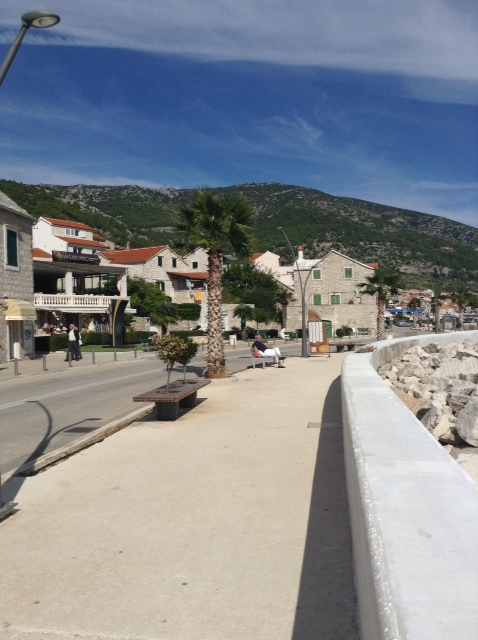
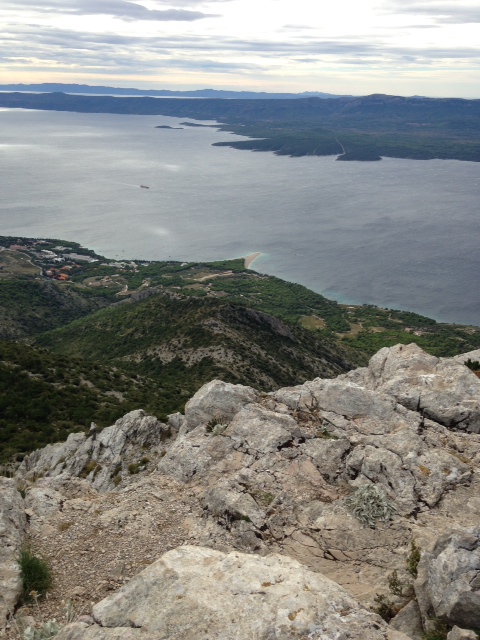
Bol itself is a small town but, from its one commercial street, a long tree-lined promenade leads to the famous sandy point called Zlatni Rat (Golden Point). Behind the trees, there are numerous resorts, catering for mostly northern Europeans in search of sun, warmth and leisure. It was not so suitable for tour groups – some of the reception staff seemed bemused, at best, by our presence – but Maggie and I enjoyed the views and the wines from the terrace adjacent to the bar.

13 Bol   15 Bol

Next morning, the local guide joined us for a day trip to some of the island’s attractions. We began with a gentle walk from a carpark to the summit of Vidova Gora, the island’s highest point. The views were spectacular but the Bora was, well, boring in, so we were glad to return to the comfort of our coach.

18 mount   19 tour

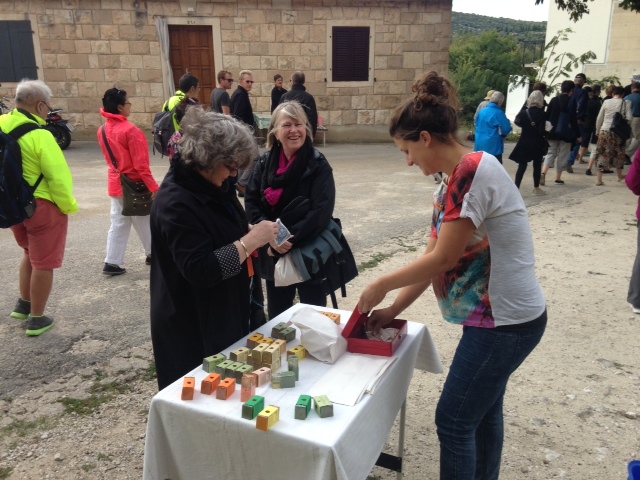
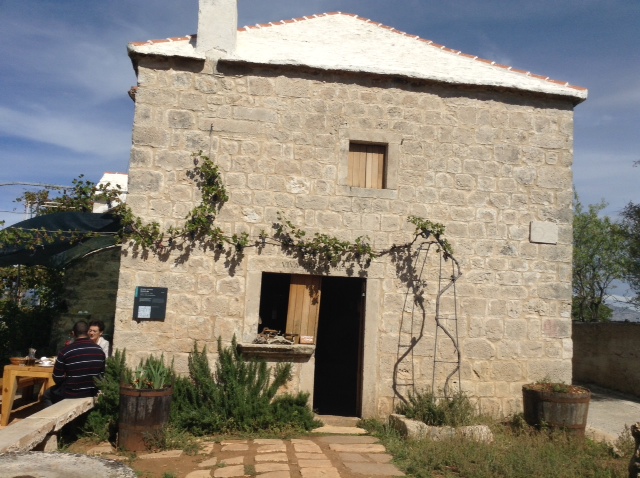
From there, we visited a small medieval village – not quite sure why, but some local women were selling very attractive soaps they had made from olive oil and Maggie bought several varieties, to be taken home as gifts. Next, we spent a good hour or so at a renowned olive oil producer. Following an informative presentation about how olive oil has been made, in the past and in modern times, our hosts served up a pleasant lunch of meats, cheeses, olives, homemade bread, salad and homemade wine. (I was too busy enjoying the lunch to remember to take any photos.)

23 soap   26 tour

By mid-afternoon, we had returned to the town centre of Bol, where Maggie and I found a cafe table out of the wind and enjoyed a coffee. (Possibly reflecting the history of Italian influences, we were rarely served a poor quality coffee in Croatia.)

That day’s tour program did not include an evening meal; we usually view this as an attractive opportunity. We had considered returning to the town at sunset but, having failed to find a place that appealed and, feeling footsore by the time we had walked back to our resort, we opted for the small in-house taverna, as distinct from the humdrum holiday-buffet option in the main dining area.

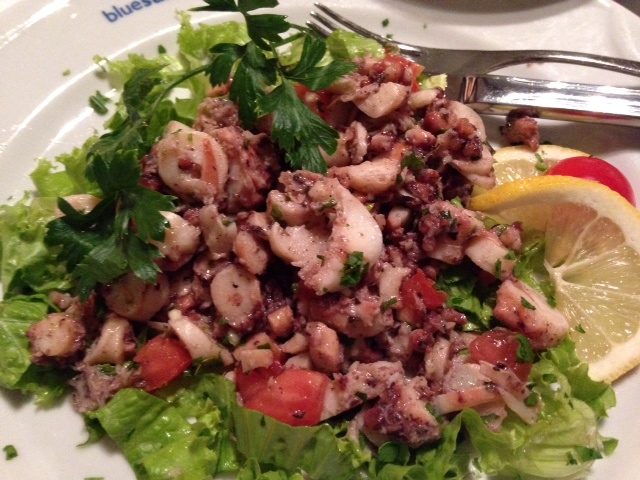
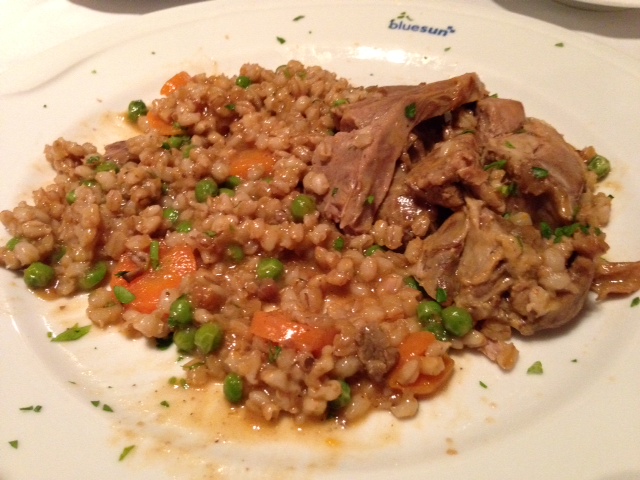
Maggie chose the octopus salad, fresh and tangy. My dish was not so attractive to look at but it was still very good, a braise of lamb leg chunks, an Italian grain and vegetables.

29 Bol dinner   30 Bol dinner

The next day began with another have-a-good-cup-of-coffee, while waiting-to-board-a-ferry, this time at the pretty town of Sumartin at the eastern end of Brač, for the crossing to Makarska.

33 depart   34 Makarska

From Makarska, we drove south-east along the Dalmatian coast, then briefly inland around a large, irrigated agricultural region that is fed by the Neretva river, producing large crops of citrus fruits, olives and some wine grapes. Viewed from the surrounding hills, it was quite photogenic.

35   36

We didn’t admire the view for long – there was another ferry to catch!

Posted in Travel | Tagged , , , | Leave a comment

Visit to Croatia: Trogir & Split

After our night in Plitvice, we headed south, descending out of the large cloud mass that had dominated the previous day’s weather and onwards to the Dalmatian coast. By late morning, we had arrived at Trogir, a delightful town that is listed by UNESCO as a World Heritage site.

01 below lakes   02 Trogir

We were left to our own devices for a couple of hours and, in the idyllic weather, we explored some of the narrow streets, and the seaside promenade that led to Kamerlengo Castle, built by the Venetians in the 15th Century. Soon enough, it was time for lunch. We continued our exploration of Adriatic seafood – fried calamari for Maggie and pasta and prawns for me.

05 Trogir   06 Trogir

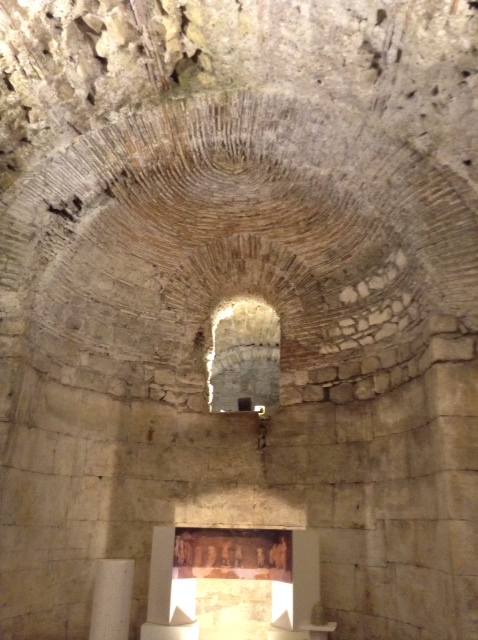
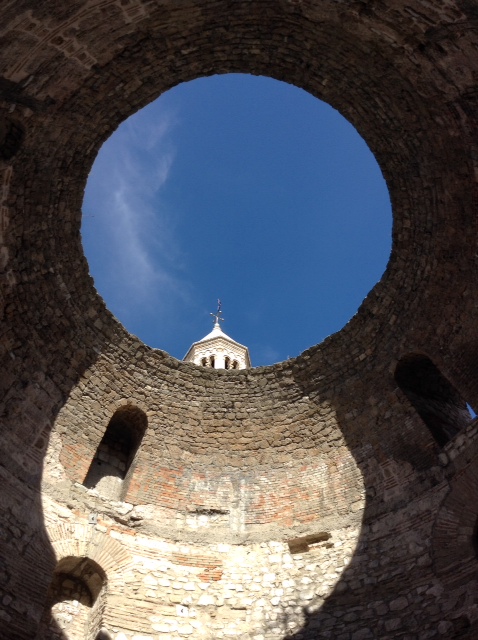
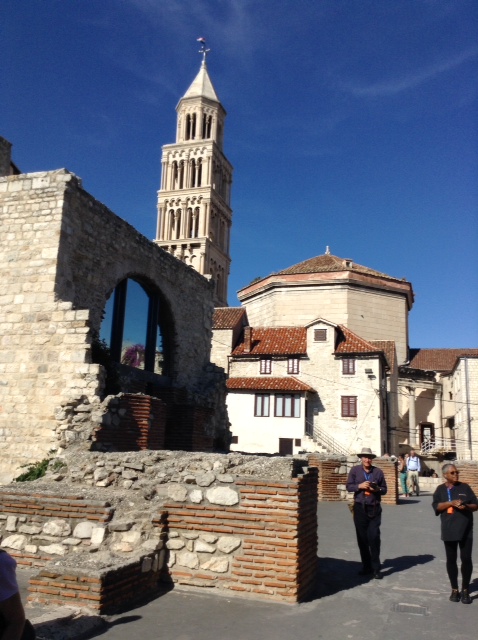
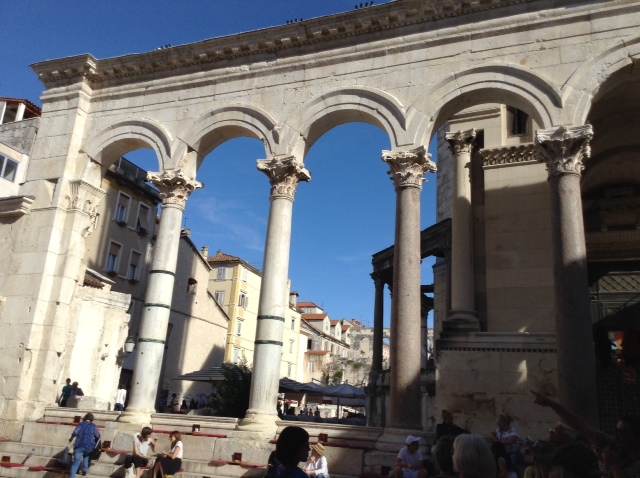
After lunch, Robert drove us to Split, now a sizeable industrial and port city, but famed for the remains of the ‘retirement’ palace of the Roman emperor Diocletian, built at the beginning of the 4th Century AD. A local expert guide took us on a detailed tour of the conserved parts of the building, including much that has been incorporated into subsequent structures.

12 palace   13 palace

17 palace   18 palace

We then had free time to explore other parts of the old city, much of which reflected the lengthy period of Venetian rule. We were quite taken with Split, and would have been happy to spend a second night there.

20 Split   21 Split

Posted in Travel | Tagged , , , | Leave a comment

Visit to Croatia: Postojna caves, Istra & Plitvice lakes

On a sad note, as I write this post, it is less than three days since the terrifying events in Paris took place. Paris is our favourite travel destination and some of the attacks took place only a kilometre or so from the hotel in the Marais district where we have stayed on three occasions. The hotel’s employees are in our thoughts. We have booked to stay there again next year and we remain committed to doing just that. Vive le France!

From Zagreb, our tour coach driver, Robert took us west, and we soon reached the border of Croatia and Slovenia. Although both Croatia and Slovenia are members of the European Union, the border was neither invisible nor, without passports being checked, permeable (see comment by Urska, below). There was even a group of tents set up, to accommodate any Middle Eastern refugees who made it across Croatia as far as the Slovenian border.
01 border   02 Slovenia

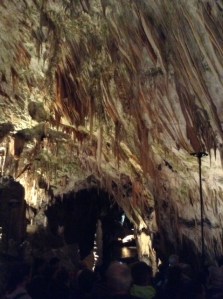
Immigration control behind us, we crossed an agricultural region, climbed into some hilly country and reached our destination – the famous Postojna caves. I won’t fill up space here with information about this massive cave system that is readily available on the internet.

With an allocated entry time, we joined numerous other visitors on a rollocking 5km journey by train into the heart of the caves, followed by a series of walks on an up-and-down path. There were occasional stops to listen to the guide explain and point out various features, using a microphone linked to an installed PA system; it was not easy to hear if you were at the back of the throng. The path was damp but safe – sand embedded in a concrete base – but it was a taxing exercise. Maggie, with a dodgy knee, struggled, as did others in our tour group.

I found the experience very stimulating but I also felt that the guided-walking phase of the operation was not quite as user-friendly as it could have been. That said, the planning and investment that has been undertaken to provide safe access to the heart of the cave system, without compromising its integrity, is genuinely impressive.
04 caves      07 caves

09 caves      10 caves

From the caves, we headed south and soon re-entered Croatia. Our hotel for the next two nights was in the leafy, Italianate town of Opatija, on the north-east coast of the Istra Peninsula. There was plenty of time before the evening meal to explore the town, including its long, seaside promenade.

11 Opat   12 Opat

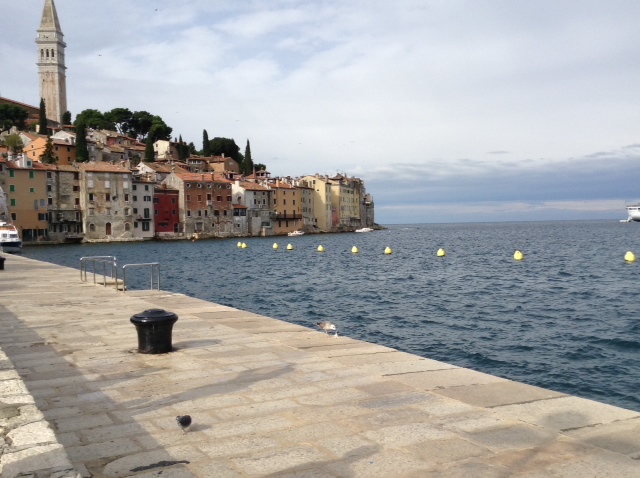
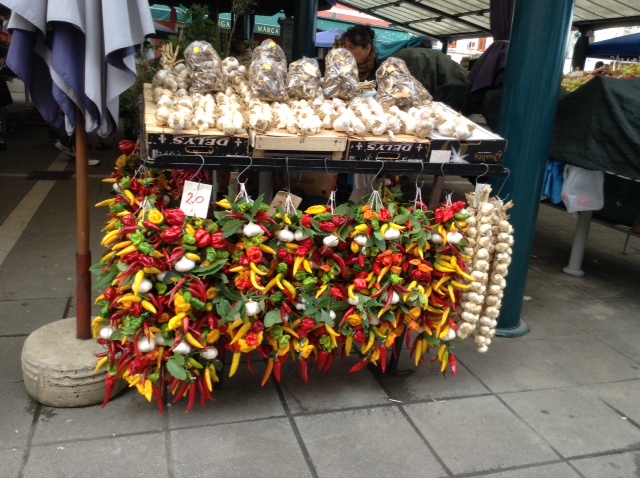
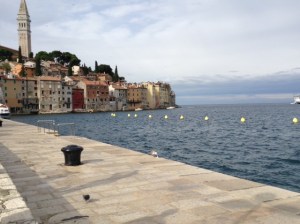
Next morning, Robert drove us across the peninsula to Rovinj, a port town established by the Romans and, much later, controlled by Venice for more than five hundred years. It is a very attractive and lively town, with a small but busy produce market, numerous cafes doing a roaring trade in espressos and Italian-style cakes, a plethora of restaurants and a built environment that reflects its Venetian associations.
14 Rovinj   16 Rovinj

24 Rovinj   25 Rovinj

During some free time, we had our first Adriatic seafood meal. It was varied and delicious, the first of many such experiences!

20 Rovinj   21 Rovinj

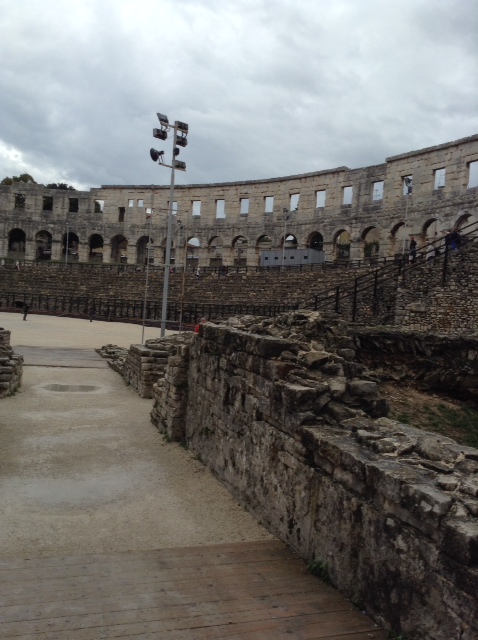
After lunch, we travelled south to Pula, at the southern end of the Istra Peninsula. Pula was an important centre during Roman times, then flourished again as a base for the Byzantine naval fleet. Centuries of subsequent decline ended in the mid-19th Century, when it became the main naval base of the Austrian empire – yes, it’s where Captain von Trapp served – and it has a similar function in modern Croatia. All we saw of Pula was its large Roman amphitheatre, which has been restored sufficiently to be used as a concert venue. It was a cool, drizzly afternoon, and we have been spoilt by our visit to Rome in 2008, so it didn’t impress us so much. For us, Rovinj was the day’s highlight.

26 Pula   29 Pula

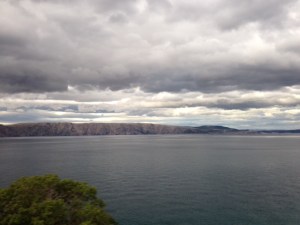
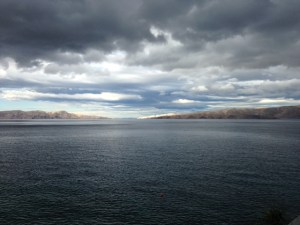
It was overcast again next morning, as we left the Istra Peninsula and travelled along the rugged coast south of the industrial port city of Rijeka. Here we were introduced to the Bora, a cold, dry wind that blows from the north-east at up to 300 kmh. Its destructive force is revealed in the barren areas of land, facing the wind’s path, on the numerous islands off the Croatian coast. We were to experience the Bora first-hand, later in our tour.
33 coast   34 coast

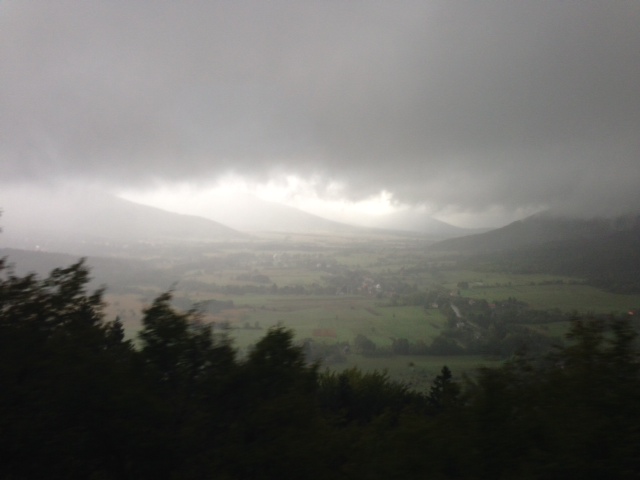
By mid-morning, Robert was taking us inland, up into the long Kapela mountain range. As he did so, the weather began to close in, ominously. We were headed for Plitivice National Park, famous for its vast system of lakes and waterfalls. Soon, we were driving through heavy rain. It was still bucketing down when we arrived at our hotel for a sandwich lunch, ahead of our guided walk through some of the park’s most spectacular areas.
35 weather   36 lakes

The rain was not good news: some sections of the park had been closed for safety reasons; some of the route was along raised timber paths – devoid of handrails – over water bodies (see example below); and there was a lot of water on the the ground-level gravel paths. Maggie was one of those who chose safety first and stayed behind.

By the time our guided walk began, the rain had eased; but there was plenty of water dropping from the foliage to fill the gap! It was a long, exacting walk, but a rewarding one. Much of the scenery was genuinely beautiful and it would have been even more so in fine weather. I was sorry that Maggie had missed out but, given her knee and ankle problems, it would have been too dangerous. I shot a few videos on my iPhone to give her a taste of the sounds to go with the images.

38 lakes   40 lakes

44 lakes   46 lakes

On a happier personal note, Maggie sent a postcard from Plitvice to her daughter and grandchildren, back in Melbourne. It turns out that the woman, a Croat, who cleans the family home became engaged while standing under the largest waterfall at Plitvice, and she was very excited to find the postcard displayed in Jenny’s kitchen after it arrived. With travel, positive connections often come.

Posted in Travel | Tagged , , , , | 3 Comments

Visit to Croatia: Zagreb

This is the first of seven new posts about our recent visit to Croatia. Previously, I have posted a panoramic account of my walk along the walls of Dubrovnik, and my shared my opinions of the suitability of a coach tour as a way to explore Croatia.

Maggie and I arrived in Zagreb, the capital of Croatia, early on a Sunday afternoon and more than 24 hours before our rendezvous with our coach tour. Our hotel was located in what is known as the lower town which, as is often the case in old European towns and cities, was developed much more recently than the upper town.

We spent an hour or so walking the streets of the lower town and found it strangely quiet and somewhat deserted. (Two days later, on our guided tour, the area was very lively, with office and shop workers, students and residents from outlying suburbs.)

02 lower town   03 lower town

On the Monday morning, with the tour due to commence that evening, Maggie and I used the efficient local tram service to make our way to Jelačić square, where the upper and lower town meet. From there we explored the many interesting streets and public places of the upper town.

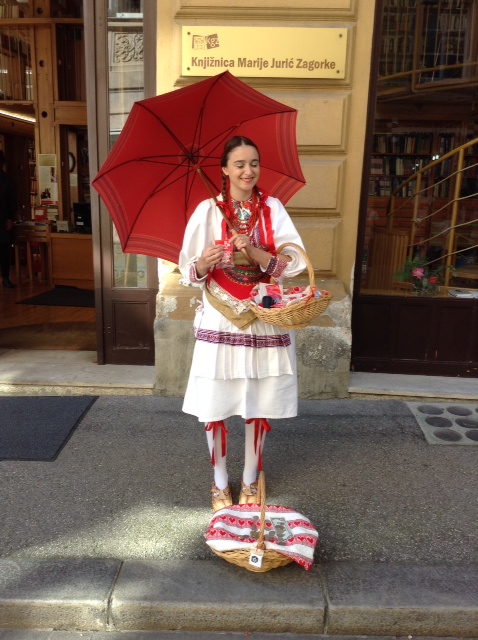
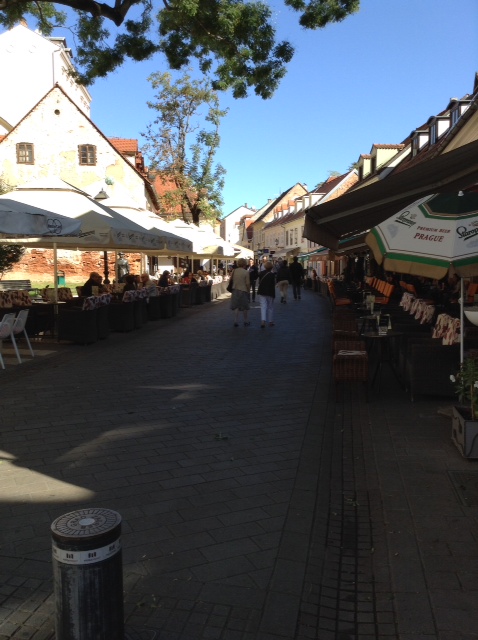
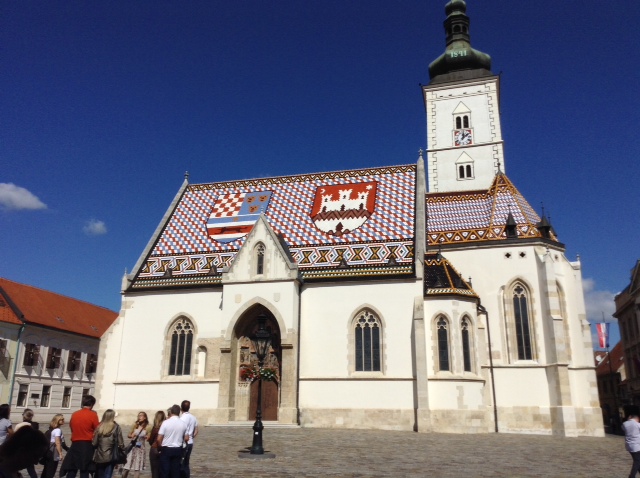
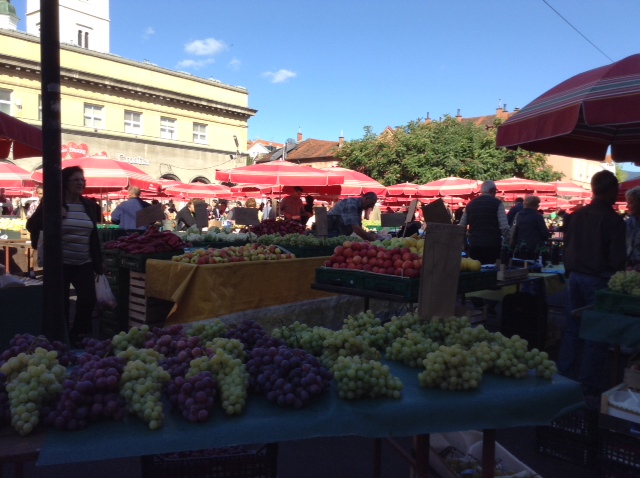
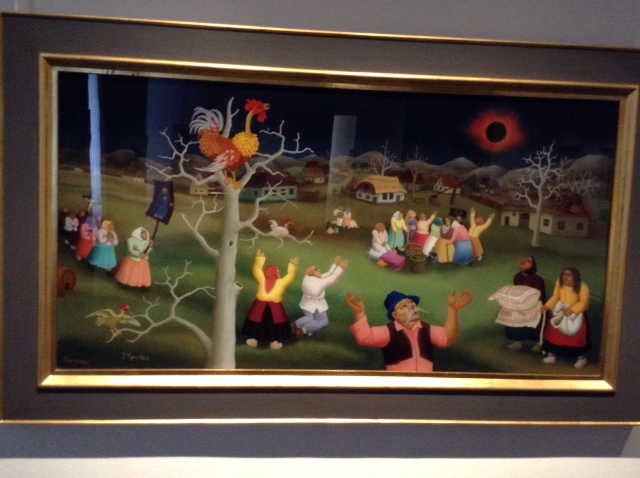
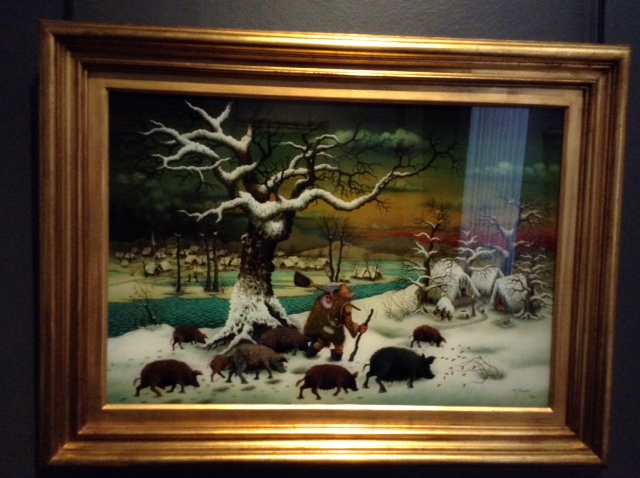
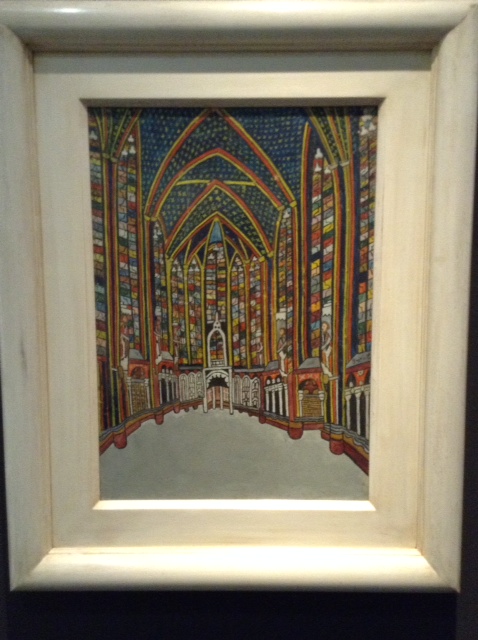
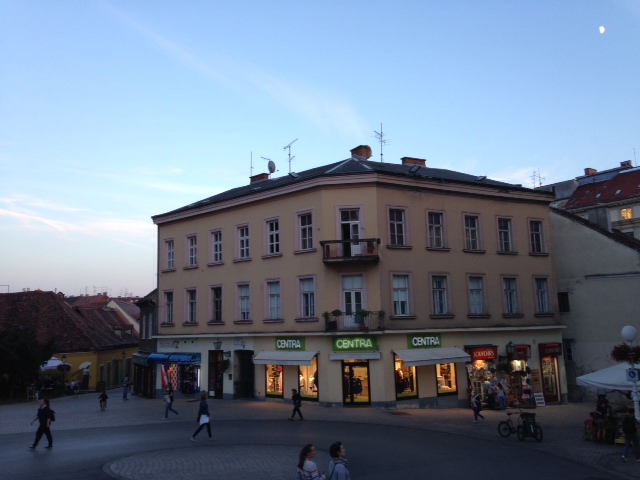
Some of the sights we saw or visited included: young women, dressed in traditional costume, selling colourful hearts, a symbol of Zagreb; the long strip of cafes, bars and restaurants in Tkalciceva; the Church of St Mark, with its roof adorned with four Croatian coats of arms; the bustling Docla market under a sea of umbrellas in the traditional colours; and the remarkable Museum of Naive Art, housing the world’s largest collection of naive (self-taught) art. The third of our photographs – cameras were permitted – shows the original of the work which, much enlarged, hung behind the reception desk at our hotel.

06 heart girl   08 cafes

16 up t0wn   09 market

18 naive   20 naive

21a Naive   26 naive

On our last evening in Zagreb, following another delightfully warm day, we returned to the upper town and enjoyed a simple meal of chargrilled meats and vegetables with a side dish of frites. The restaurant Katedralis sat just down from Zagreb’s cathedral and we sat overlooking a quiet space, some attractive buildings and the rising moon.

41 dinner   42 dinner

We had not known what to expect of Zagreb but, after three days of varied, interesting and enjoyable experiences, we feel able to recommend it as a destination in its own right.

Posted in Travel | Tagged , , | Leave a comment

A pair of favourites

Late last week, Maggie and I spent a couple of hours making two very different foods with pears, each dish a favourite, each one using a different variety of pear.

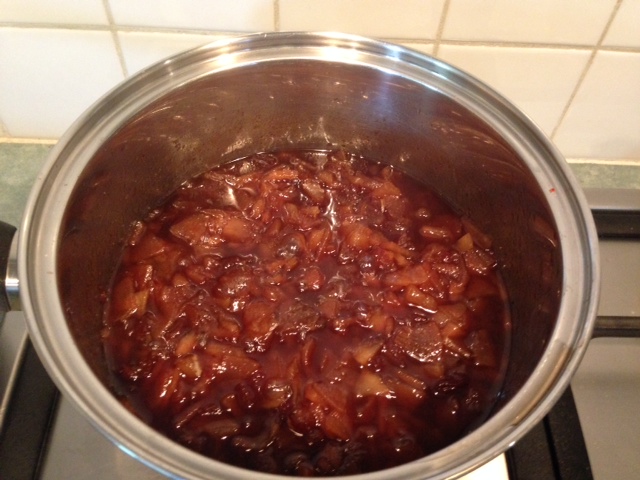
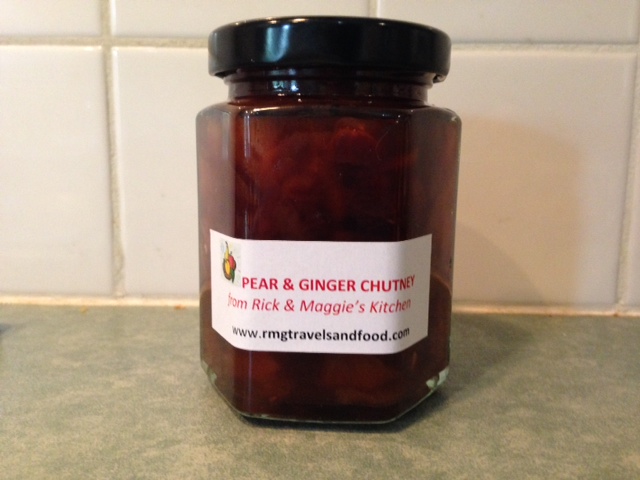
First, it was Maggie’s favourite homemade condiment, a spicy pear & ginger chutney. It goes wonderfully with roasted cuts of pork – belly, thick cutlets, etc.

She found the recipe more than four years ago at http://www.food.com/recipe/ginger-pear-chutney-100006 but didn’t get around to giving it a go until early last year. We have subsequently modified it in three ways (based on one-third of the quantities in the recipe): substituting 2-3 whole cloves wrapped in muslin for the ground cloves; adding a pinch of chilli flakes; and adding 1 tbsp of dark brown sugar. (If you don’t have a sweet tooth, reduce the amount of granulated (white or raw) sugar by about 10%.)

This time she used pears of the Corella variety; four provided the correct amount of diced fruit. She has also made it successfully with Beurre Bosc pears. These varieties are more suitable than those pears that are commonly eaten raw, as they are firm when ripe and don’t break down quickly when cooked.

Pear ginger relish   Pear ginger relish 2

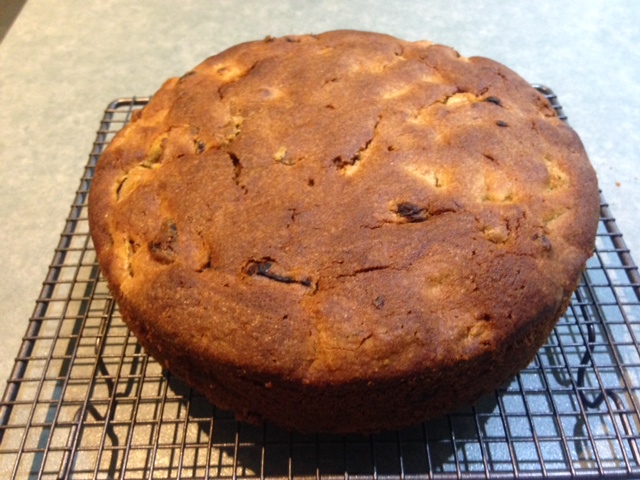
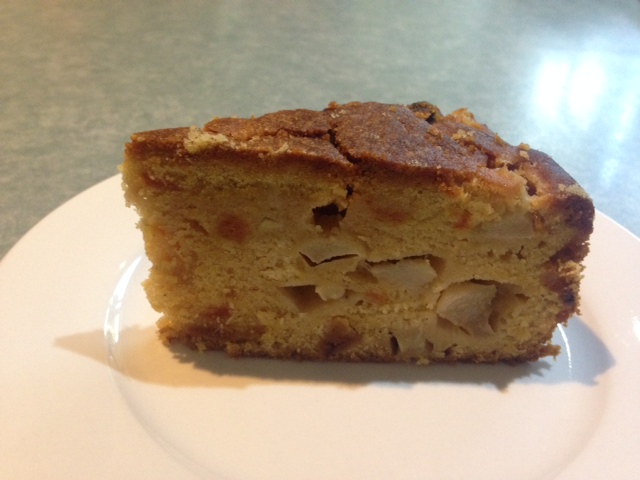
The second dish was a cake made with dried apricots and pears, using a recipe I found early last year on the taste.com.au site. I had wanted to cook a pear cake for some time but I had an early failure with a reputed recipe; that discouraged me for a few years. This one worked very well, producing a moist and flavoursome cake.

When I went to buy some pears for a second attempt, I couldn’t remember which variety I had used the first time – it was 18 months ago – but one of the old hands at Toscano’s recommended the Honey pear variety. It was new to me but this pear has been grown in Australia since 1814, when a Belgian brought some seedlings here from his home country.
I have modified both the ingredients and the method, so I will include the recipe. I like it even more than last year’s version – my palate has a stronger memory than my brain! – and we think it might become our third ‘special occasion’ cake. (The other two are flourless chocolate and nuts, and an Italian apple cake.)

Pear cake 1   Pear cake 2

Pear apricot cake 1   Pear apricot cake 2

Ingredients

½ cup of fresh orange juice
100g dried apricots, roughly chopped
15ml brandy
1 cup caster sugar
1 cup olive oil
1 tsp vanilla essence
2 eggs
2 cups plain flour
1½ tsp ground cinnamon
1 tsp ground nutmeg
½ tsp ground ginger
1 tsp baking powder
3 Honey pears, peeled, cored and diced (1-1½ cm)

Method

  1. Heat the orange juice and apricots in a saucepan until just warm. Remove from heat, add the brandy and stand for 30 minutes.
  2. Preheat oven to 160C. Line a 22cm (base) spring-form cake tin with baking paper.
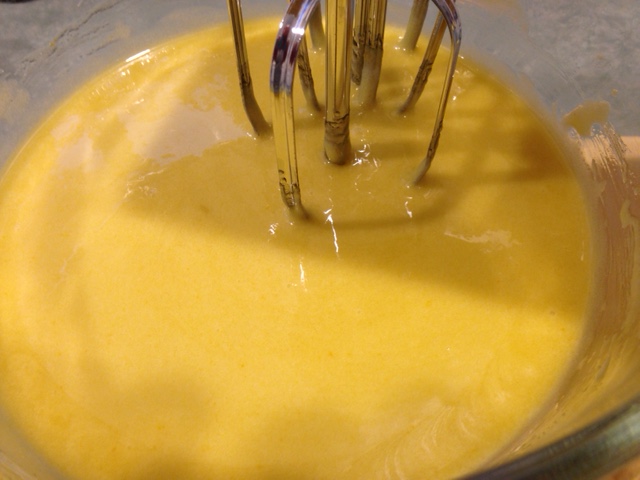
  3. Using an electric mixer, beat sugar, oil, eggs and vanilla in a large bowl until thick (4-5 minutes).
  4. Drain the orange juice into the bowl and mix briefly.
  5. Combine the flour, spices and baking powder in a bowl and fold into the mixture on a low speed.
  6. Remove the bowl from the mixer, add the apricot and pear and stir well to combine.
  7. Spoon the mixture into the cake tin and smooth the top.
  8. Bake for 60-70 minutes or until it tests clean.
  9. Remove from oven and, after 5 minutes, release the side of the tin and cool for a further 10-15 minutes before separating the cake from the base.
Posted in Cooking | Tagged , , , | 2 Comments