In-digest: week ending 29 May 2016

This year’s first blast of wintry weather arrived last week, triggering a shift to cold-weather cooking in our kitchen – the culinary equivalent of digging out your winter PJs from the bottom of the wardrobe.

Naturally, being a bit out of practice, we turned initially to some of our winter standards: chicken braised with leeks, one of the first dishes we made together; veal osso buco, 33 years in my repertoire; pot-roasted goat, aka capretto alla romana; and crepes, an all-year-rounder but preferred onwards from the start of winter as the first of the lemons ripen on our tree.

Towards the end of the week, when Maggie was not at her part-time job, we set ourselves to prepare a meal of lamb biryani for the first time, using a recipe I had clipped from the newspaper a couple of weeks earlier. (This would also be the first time we had cooked using quinoa!)

First, we made a pot of tea and sat down on our couch (sofa), to read the recipe thoroughly and discuss it as we went along. By the time our teacups were empty, we had made several decisions: “simmer” the biryani in the oven at about 140C, rather than on the cooktop; reduce the quantities of rice and quinoa by one-third, par-cook them by boiling in a saucepan on the cooktop for 6 to 7 minutes, and reduce the amount of water added to the lamb with the grains by one-third also; use four onions rather than five; replace the cashew nuts with halves of blanched almonds; ditch the potato – one source too many of carbs and starch – and replace it with carrot; and cook some fresh peas to fold through the dish just before serving it; and, for us, no raita or coriander leaves.

All of these modifications worked well for our palates, as did some minor adjustments that we made as we worked our way through the method: a bit more oil, and a generous pinch of salt, when browning the onions; add all the cooked onion to the lamb rather than holding some back as a garnish; and a one-third reduction in the amount of butter and milk.

I can’t recall exactly how long we cooked the biryani in the oven; it was less than the specified 90 minutes, but every case will vary according to the meat and the oven. Having begun with 500g of lamb – enough for half the recipe – we had a good dinner each, a weekend light lunch for Julian & Sara, a workday lunch for Maggie and a snack for me. That’s my snack in the photo, not especially handsome and a bit light on for lamb and almonds; unlike Maggie’s lunch serve!

Lamb biryani

We were so pleased with how this dish tasted that we borrowed ideas from the recipe to prepare another biryani-style of dish a couple of days later, using some leftover roasted pork belly. As she diced the pork meat, Maggie removed most of the fat and I then used that and some vegetable oil to roast some pieces of pumpkin and beetroot to serve with the pork biryani. The plate was completed by steamed some bok choy, drizzled with vegetable oil and soy sauce.

Before I eat this plate of leftovers, I will steam some more bok choy, a preferred side-dish with roasted pork belly in our home.

Pork biryani

To end this post, I give you an emblem of the change of season – the last rose bloom in our garden, picked just before the wintry winds arrived last week.
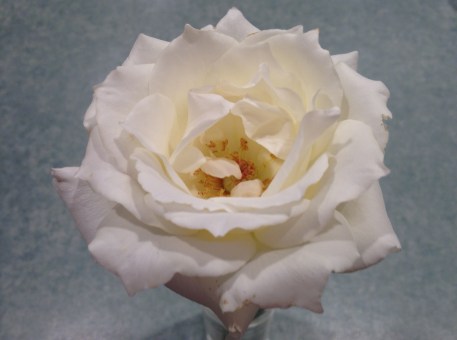
Rose white

Posted in Cooking | Tagged , | Leave a comment

Into the closet: folio 3

Yesterday, Maggie and I installed our latest ‘loo view’. We opened up the three frames, removed the folio of seven photos from our 2008 travels in Italy and replaced them with a selection from our visit to Spain in 2011.

Here are the images that now adorn the walls of the little room in our home:

Group 1

Garden of the Moorish Alcazar palace, Seville

Part of the peaceful garden in the wonderful Moorish Alcazar palace, Seville

Example of the colourful ceramics at Plaza de Espana, Seville, built for a 1928 exposition and renovated in the 21st Century

Example of the colourful ceramics at Plaza de Espana, Seville, built for a 1928 exposition and restored in the 21st Century

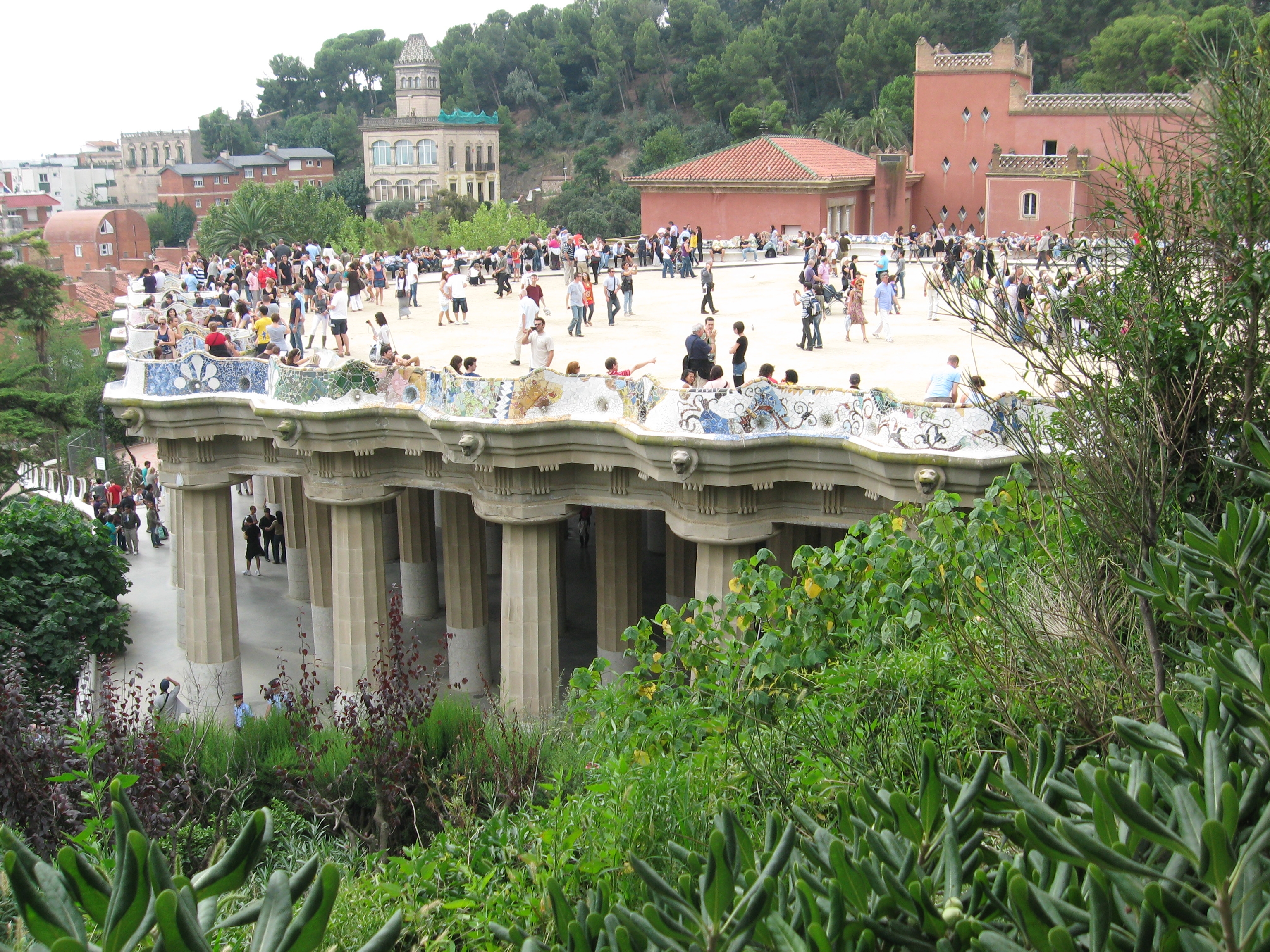
Parc Guell's decorative plaza, a delightful element of the Gaudi legacy to Barcelona

Parc Guell’s decorative plaza, a delightful element of the Gaudi legacy in Barcelona

Group 2

One of countless residential courtyards embellished with a water feature, both soothing and cooling

One of countless residential courtyards that are embellished with a water feature, soothing and cooling

A living statue, inspired by Carmen Miranda, even if she was Portuguese!

A living statue, possibly inspired by Carmen Miranda, even if she was Portuguese!

Group 3

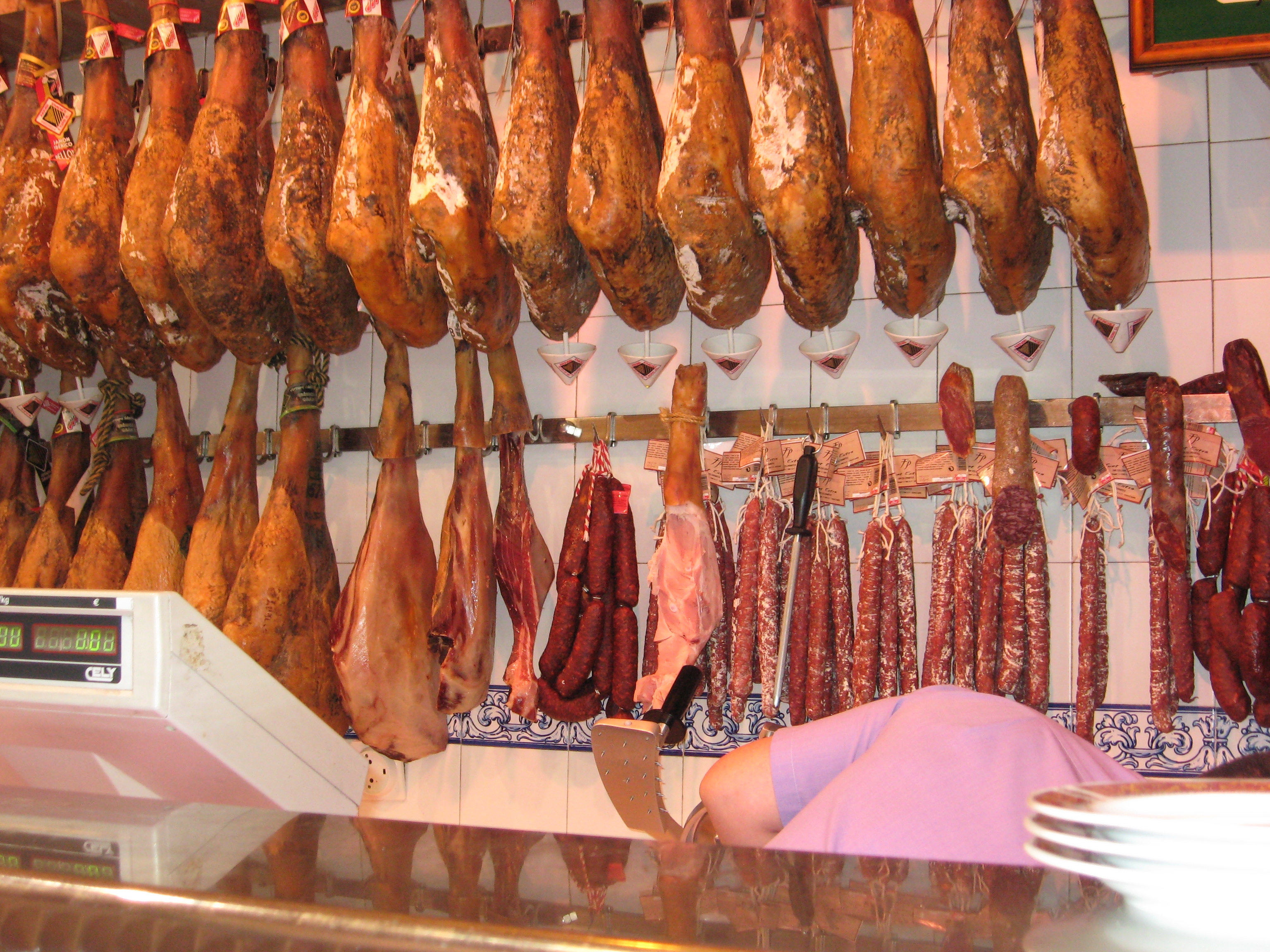
Jamon 'museum', Madrid

Jamon ‘museum’, Madrid

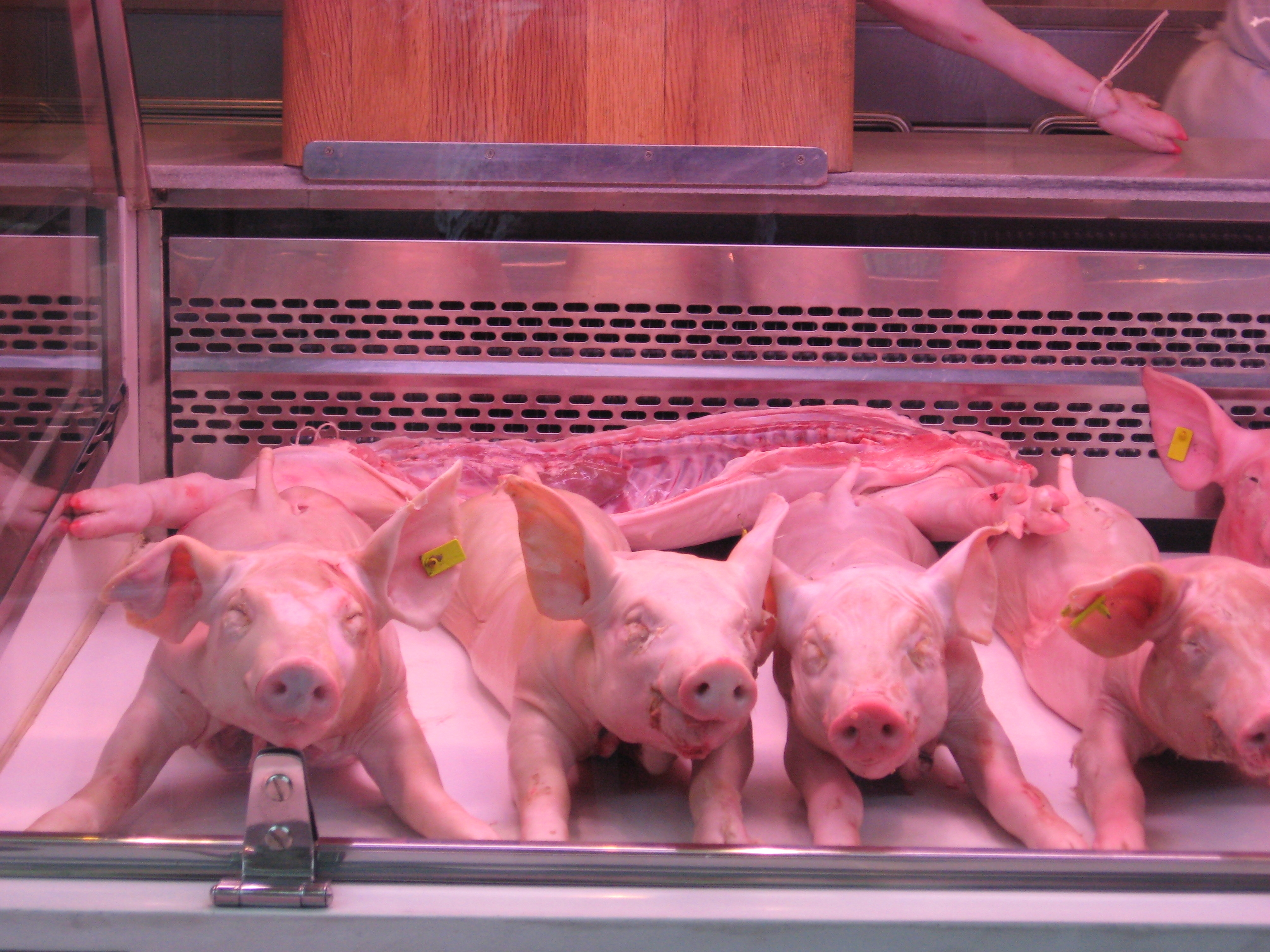
These little piggies went to market (La Boqueria, Barcelona)

These little piggies went to market (La Boqueria, Barcelona)

Posted in Home life, Travel | Tagged , , , | Leave a comment

Battery Point: a collection of antique architectural gems

The European settlement of Hobart began in 1803, just 15 years after a penal colony was established at Sydney. Hobart, too, began as a British penal colony, with the added purpose of deterring French interest in the island then known as Van Diemen’s Land.

One of the first areas to be colonised by free settlers of Hobart was a hill overlooking Salamanca Place, which later became known as Battery Point. I won’t dwell long on this area’s 19th Century foundations. These are summarised, brusquely, at these websites: https://en.wikipedia.org/wiki/Battery_Point,_Tasmania and http://www.batterypoint.net/battery-point-history

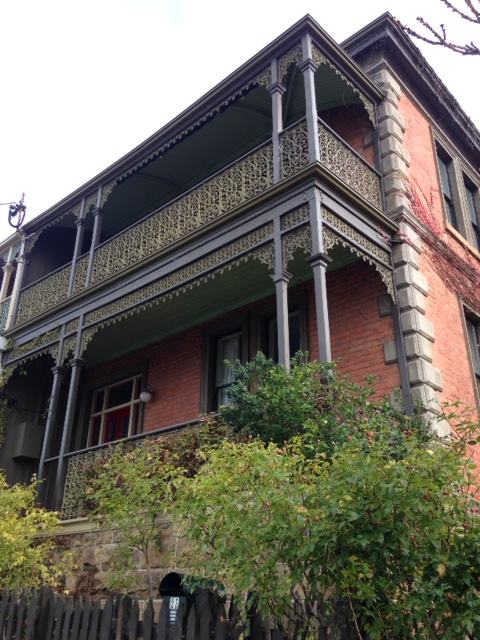
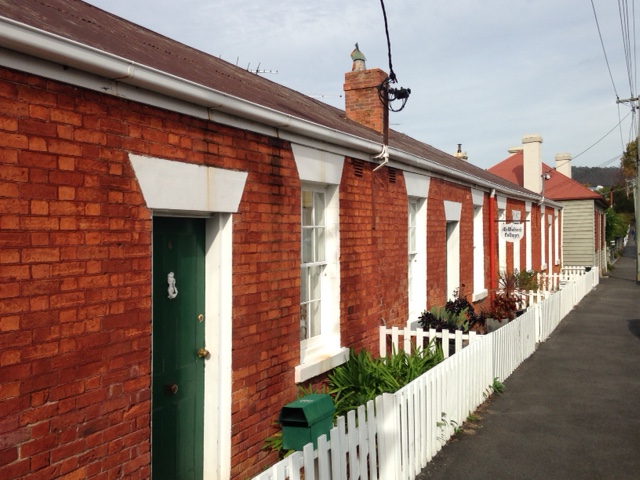
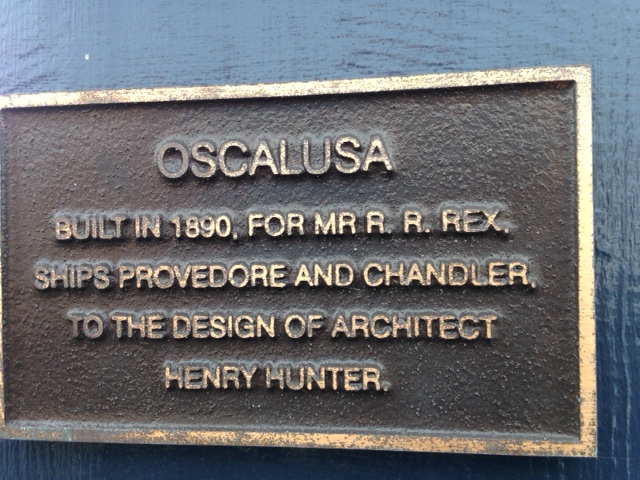
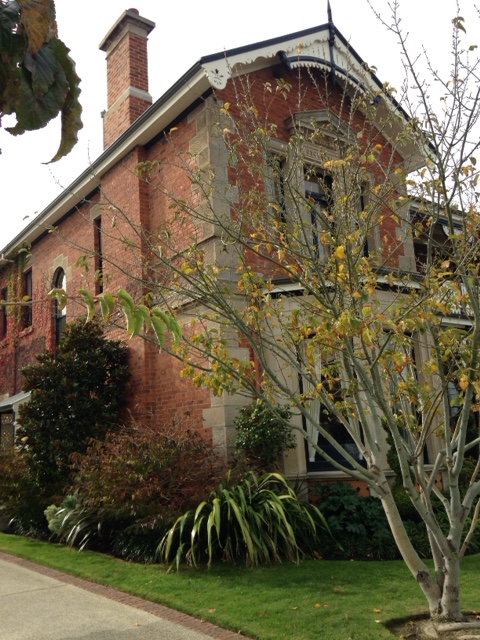
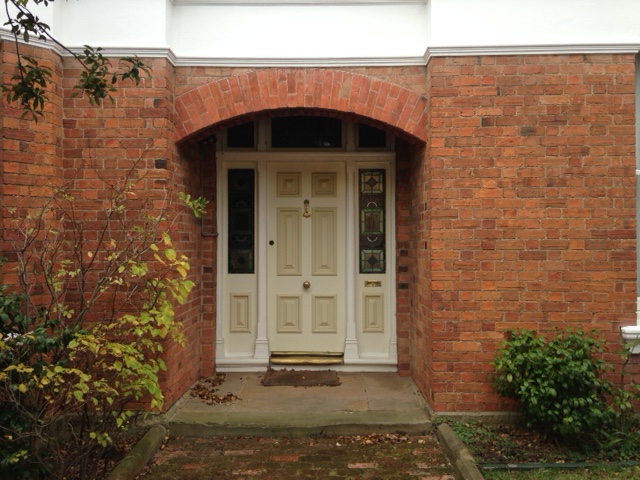
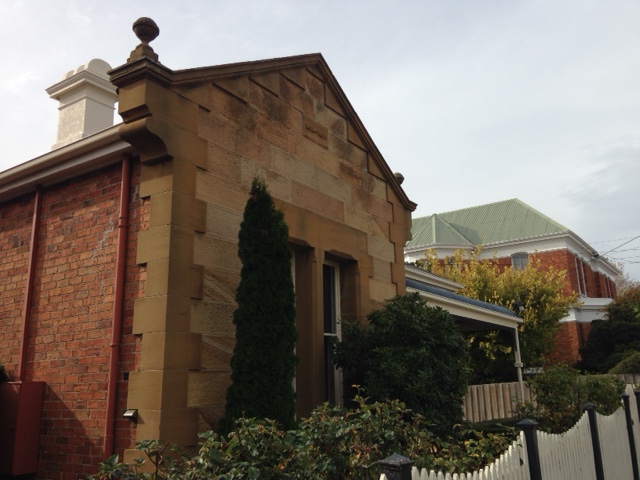
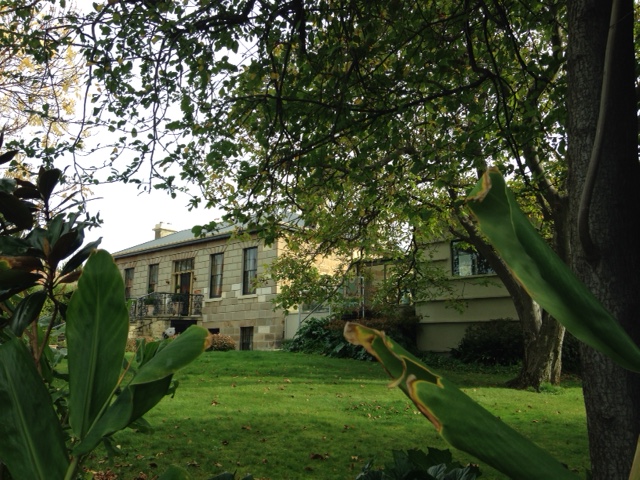
In recent decades, Battery Point has come to be known best for its concentration of attractive heritage buildings, many of which have been restored or renovated. In turn, this has stimulated retail, food and beverage businesses to refresh and occupy the available commercial buildings and, as we discovered on our last afternoon in Hobart, the area is a popular destination on weekends.

These photos give you a sample of what you can enjoy if you explore the area on foot.

Point 3   Point 4

Point 5   Point 6

Point 7   Point 8

Point 9   Point 10

Point 11   Point 12

Point 13 Point 14

Point 15   Point 16

Point 17   Point 18

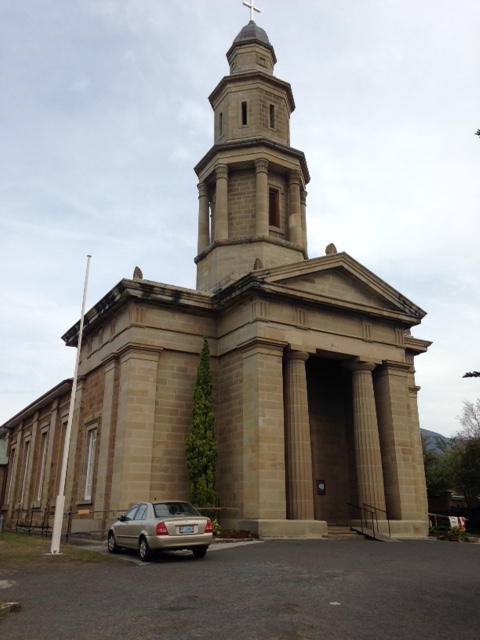
The last two photos are of St George’s Anglican Church, said to be based on St Pancras in London. The design of the latter reflected the profound influence of the great Venetian architect, Palladio on the built environment of Western Europe from the 16th Century on, especially in England and his native Italy.

Point 1   Point 2

Posted in Travel | Tagged , , | 2 Comments

Cygnet day trip

One of the main strengths of Tasmania as a place to visit and explore is that, no matter which city or town you are in, you are never more than one hour’s drive from a variety of beautiful scenery. This ranges from rugged, snow-frosted mountains to dark, temperate rainforests, and from idyllic, secluded beaches to pristine rivers brimming with trout.

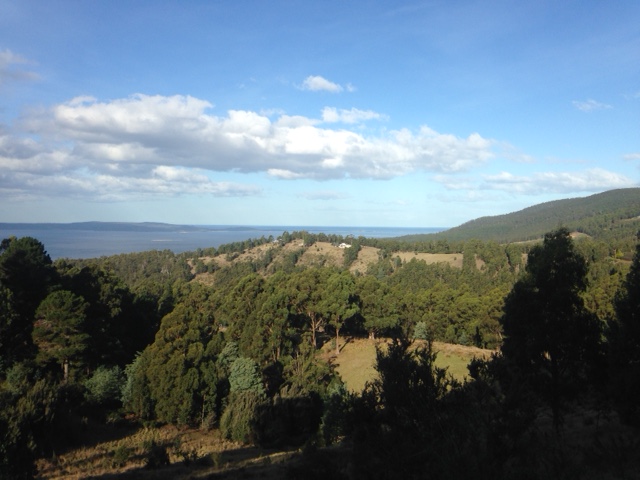
Our most recent experience of this feature of Tasmania came from a self-drive day trip that we made, southwards from Hobart, along the edge of the D’Entrecasteaux Channel, past Bruny Island, to Cygnet, a small but lively town in the valley of the Huon River.

Cygnet is one of many comparable towns across Australia which have been revitalised in recent decades by an influx of persons with enough skill and determination to pursue a vision of sustainable production of artisan food products and the like. Usually this occurs in cooperation with some of the longer-established residents, who welcome both the opportunity to share their accumulated knowledge with the newbies and the associated creation of new markets for premium products.

Okay, I’m probably exaggerating a little to make my point. But cast your eye over the delightful salad plate which Maggie and I shared for lunch at The Lotus Eaters’ Cafe in Cygnet. Every item on the plate – including leaves, herbs, olives, cheese, ham, smoked salmon and dried tomatoes – was produced within a small radius of the town. It was the perfect antidote to the overload of carbs from our first couple of days in Hobart.

Cygnet 3a

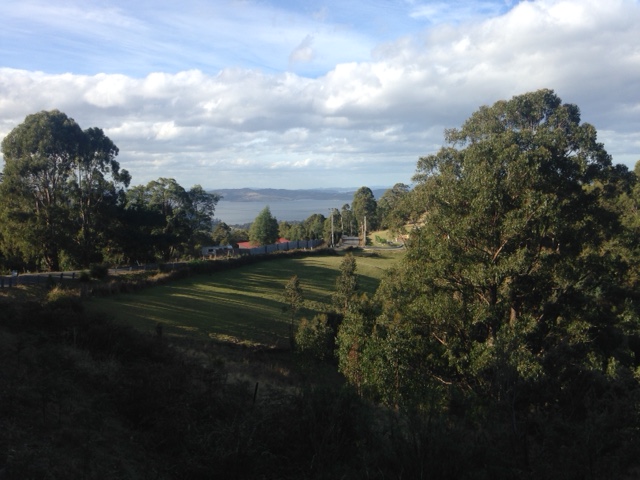
The balance of the photos show, inadequately I regret, some of the coastal and inland scenery we enjoyed as we made our way very gently to and from Cygnet. Which reminds me to mention another one of Tasmania’s lovely attributes for travellers – there’s hardly any traffic. Ever! Well, except on the water – boating is to Tasmanians what cycling is to the Dutch.

Cygnet 1   Cygnet 2

Cygnet 4   Cygnet 5

Cygnet 8   Cygnet 9

Posted in Travel | Tagged , , , | Leave a comment

Not opposed to a bit of antipasti

A friend & neighbour of ours turned 60 recently – welcome to the club Janet! – and, to celebrate, we put together a three-course dinner for her and her husband.

The main course was Maggie’s rendition of Beef Wellington, accompanied by a rich red wine & beef jus, fresh carrots and green beans, and a bottle of Julian and Sara’s delicious 2015 Altair Pinot Noir. And, for dessert, we prepared crepes, sauced with our homemade pomegranate molasses and a modest scoop of vanilla ice-cream.

To kick off the evening with the appropriate fanfare, we had served antipasti and some Yarra Valley bubbly. The antipasti comprised: four items from our favourite delicatessen, Stocked – prosciutto, sopressa salami, pickled cocktail onions (amazing) and Persian feta; some pieces of oven-crisped sourdough; and two homemade items – semi-dried tomatoes scented by our basil-infused olive oil and pieces of roasted lemon.

Janet 60 1   Janet 60 3

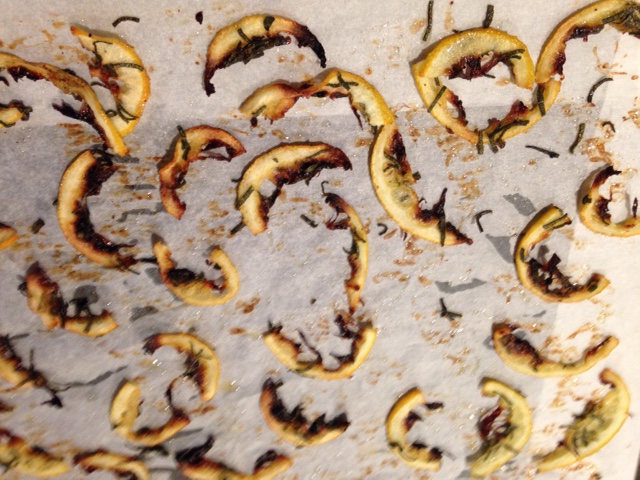
By popular acclaim, the roasted lemon was the pick of the platter, although very little of anything else was left uneaten! We prepared the lemon according to our elaborated version of a recipe by Yotam Ottolenghi.

We use one good-sized lemon, say 200g-250g, cut in half in either direction, depending on its shape for the purpose. Then Maggie uses a sharp serrated knife to cut very thin slices in the opposite direction to the first cut. While the oven is heating to 160ºC (320ºF), we remove any seeds and bring a saucepan of water to the boil; use plenty of water so it will not take too long to return to the boil after you add the lemon. Put the lid on the pan and blanch the lemon slices for 2 minutes.

We drain the lemon in a coarse-mesh, wire sieve, to maximise the loss of moisture, and leave the sieve sitting over the empty pan until it stops giving off steam. Then we toss the slices in a bowl with a generous glug of olive oil, say 25ml, 1/2 a teaspoon each of salt and caster sugar, and shredded sage leaves. Maggie is very fond of sage, so we use much more than is stipulated in the original recipe, say 12 leaves for one lemon.

Then we spread the lemon on a baking tray lined with baking paper, put the tray in the oven and cook for 20 minutes, turning after 12 minutes , until the lemons have coloured to a deep brown at their thin inner edges. Stored in a fridge, the lemon will keep for at least a week.
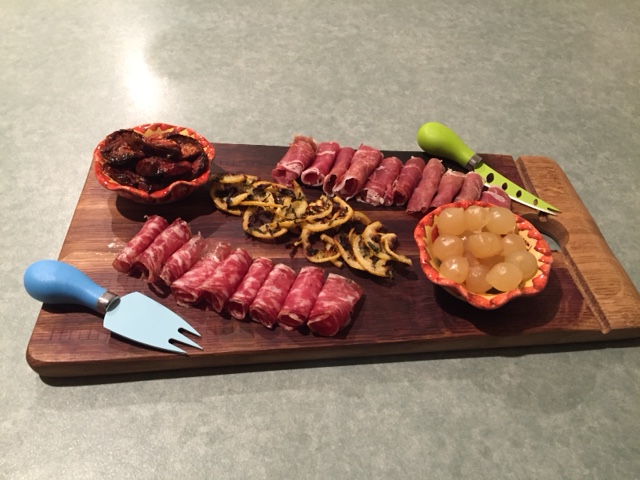
Lemon roasted

We use them unadorned, as in the antipasti platter, or cut into a salad to accompany fish, chicken or lamb flavoured with compatible ingredients. We anticipate that we will find further applications for this new addition to the contents of our refrigerator. For instance, a simple salad of shredded lettuce, avocado, roasted lemon and a vinaigrette dressing prepared this evening to accompany some roasted pieces of spiced chicken.

Avo lemon salad

Posted in Cooking | Tagged , , | Leave a comment

Hobart icons: Museum of Old & New Art

It is slightly odd, I grant you, to be assigning icon status to a museum that has only been operating for five years. But there is nothing elsewhere in Australia that comes close to MONA, as it is known; its impacts both locally and as a reason to visit Hobart have been immediate and dramatic; and it is truly remarkable. Remarkable in scale, in construction, in the fact that it is privately-funded (by one man), and in the monumental and ‘out there’ qualities of the modern art on display. (The ‘old’ art component is a collection of antiquities.)

If I tried to tell you about its history, I’d have to find it at other sources, such as this one. And I’m not able to share many images of the art on display, as our camera was not really up to the task within the museum’s guidelines. If you go to this page on MONA’s own site, you will discover some of what we saw, beginning with the mesmerising-but-not-titillating Cunts and other conversations

So, I will simply share a brief account of our experience and some of our outdoor photos. That is, once I have told you about my family’s close connection to MONA.

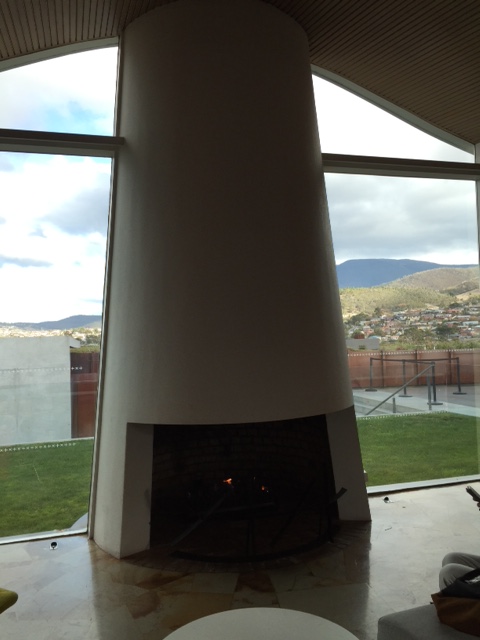
Before the current owner purchased the property, it was a vineyard and winery. After the winery became firmly established, its owner commissioned a renowned architect to design a home for his family and a home for his mother. The architect was Roy Grounds, the youngest brother of my paternal grandfather.

The main structure of MONA incorporates elements of the family home, notably the fireplace, while the mother’s home, known as The Round House, sits, unaltered, below MONA and functions as a private library.

Mona 1    Mona 2

To reach MONA, most visitors use the museum’s own ferry service, which takes about 25 minutes to complete the journey up the Derwent River from its dock at Hobart. After you alight from the ferry, you have to climb 100 steps to the top of the hill on which MONA sits, and when you enter the museum you come upon the aforementioned fireplace.

Mona 3    Mona 4

The museum’s exhibits are displayed below ground level in vast spaces that have been created within the sandstone that lies beneath MONA’s prominent location. We used the museum’s innovative hand-held guide to make our way around, using the electronic voting system to express our responses to what we saw. Our favourite work was The Snake, by Sidney Nolan. (Google will take you to numerous pics of this incredible work.)

Mona 5

From the museum, we explored MONA’s vast outdoor spaces, which display artworks that are just as dramatic as those indoors. And, of course, we made our way to The Round House – something of a pilgrimage in my clan – before catching the MONA ferry back to the city, enjoying a glass of the still-working-winery’s excellent pinot noir on the way.

Mona 6

Mona 7    Mona 8

Posted in Travel | Tagged , , | 1 Comment

Hobart icons: Salamanca Place

This post and the one that follows, both from our recent visit to Hobart, are about the old, the new, and the old complemented by the new.

From humble beginnings more than 40 years ago, the heritage precinct of Salamanca Place has become the most popular destination for persons visiting Hobart, rivalled only by the natural beauty of Mount Wellington, the peak that overlooks the city.

Initially, the revival of what had been an area of buildings housing port-related business activities was stimulated by artisans and craftspersons. This is a familiar theme of ‘downtown’ renewal across the globe. In the 1970s, the concentration of small art & craft ventures helped to underpin the establishment of a Saturday event – the Salamanca Market. Now held weekly, it has become the best and best-known event of its kind in Australia and a must-see on the list of most visitors to Hobart; we were no exception!

Salamanca 3   Salamanca 2

The range of goods – art, craft, food and more – was remarkable and the quality was very good on the whole; Maggie was as happy as a pig in the proverbial. Our favourite stall was the one built around Bruny Island Cheese and the famous Matthew Evans was there spruiking both the cheese and his own line of smallgoods. There was even a small queue of women, mainly, waiting to have him sign and sell a copy of one of his books and pose with them for a happy snap!

In the end, we shopped lightly: a piece of cheese to carry home on our afternoon flight; fruit pastes to go with said cheese; a beetroot & feta tart, to be eaten before said flight; a beautiful serving/cutting board made from salvaged Huon Pine, to be given to Julian & Sara; knitting needles made from local wood – Maggie has plans to make some rustic scarves; and a handmade pyjama pouch in the form of a sheep. (When I say “lightly”, I mean the impact on our credit rating was lighter than I had anticipated!)

The last time I had visited Salamanca Place was in January 1997, when I had taken Julian on a 17-day visit to Tasmania. Not surprisingly, there had been some changes during the intervening two decades. The most significant of these was the creation of a public square behind the main line of 19th Century buildings, backed by the erection of two modern buildings, one with cafes and gift shops on the ground floor, then two storeys of apartments, the other with restaurants and bars on the ground floor, topped with three storeys of offices. The latter included a new head office for the main Hobart newspaper.

The benefits of these developments, which in appearance neither enhance nor detract from the virtues of the adjacent heritage buildings, include the extra volume of potential customers for a burgeoning food and beverage offering, and a suitable backdrop for contemporary works of art. This ‘newshound’ with camera is one of several striking pieces permanently established around the new square.

Salamanca 4

So, in 2016, there is much to see and enjoy in Salamanca Place. During our time in Hobart, we spent part of three of our four days there, which was sufficient but not at all repetitive.

Posted in Travel | Tagged , , | Leave a comment

Hot and sticky in the kitchen

The last of our homegrown chillies for the season were too few to make up a batch to be dried in the oven but too numerous to be used up in a week of cooking our meals.

So, I found a recipe for ‘chilli jam’. Turns out this is a cheffy term for sweet chilli sauce, as found at your supermarket.

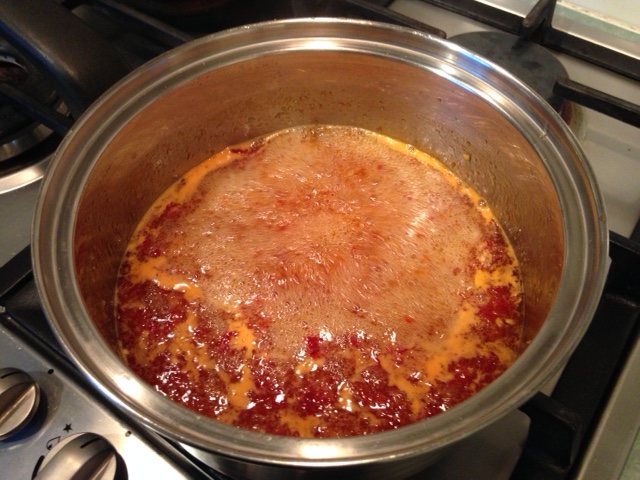
The recipe worked well; we are very happy with the flavour and we have enough jam/sauce to meet our needs until at least the end of next year’s crop of chillies. In our application of the recipe, we found that 30 minutes was sufficient cooking time; of course, it will vary depending on how vigorously you simmer the mixture.

Also, the recipe specifies the juice of one lime, rather than an exact measure. I tasted our mixture after it came to the boil and decided to add a little more lime juice. But only a little – the flavour of lime juice is very intense. We also noticed that, as with jams generally, the flavour was coarse initially, and perhaps a bit too much chilli, but it came together well as it reached the ‘setting’ stage.

Now all I have to do is find a new owner for the unopened spare bottle of sweet chilli sauce in our pantry, having already ditched the open-and-close-to-empty bottle that was in the fridge door!

Chilli jam 1   Chilli jam 2

Posted in Cooking | Tagged , | Leave a comment

To Hobart, for a short break

Last week, Maggie and I spent four days in and around Hobart, the capital city of Australia’s island state, Tasmania. For this short break, we used a package deal offered by Flight Centre, the country’s largest retail travel chain. The package included airfares, three nights’ accommodation, a hire car and a half-day coach tour.

The last of these took us to Richmond, one of Tasmania’s most historic towns, best known for its bridge, the oldest in Australia and still in use today. The bridge was built in 1823, using convict labour, to enable movement of people and goods between the emerging European farms and settlements to the north and east of Hobart; the town itself, was declared the following year.

The bridge is quite handsome and much photographed.

Richmond 1   Richmond 2

One of several information boards located around Richmond

One of several information boards located around Richmond

From the bridge, it is a short walk to the main street of the town. The buildings are a mixture of stone or timber cottages, a few grand residences and several commercial establishments, many of them dating from Richmond’s boom period during the 1830s.

As you would expect of a small town that draws a steady stream of visitors, much of the main street is taken up with businesses which offer food or souvenirs. Based on previous experiences, our expectations were not high. However, we found several shops where the quality of the art and craft products was very good. These included The Sensory, Saddler’s Court and Exquisite Style Jewellery.

A fine example of Richmond's Georgian-era buildings

A fine example of Richmond’s Georgian-era buildings

For the final half-hour of our visit, Maggie and I went our separate ways – she in the quest for gifts for grandchildren, me to Richmond’s old gaol.

It was the gaol, more than anything, that symbolised Richmond’s place in the early decades of the European takeover of Tasmania. The colony’s economy relied on cheap convict labour and the system for managing this resource was ruthless and brutal. Richmond was declared a ‘police district’ in 1825 and a very small, basic gaol was constructed to give effect to this purpose; further additions followed over the ensuing decade.

In my photo, the contemporary remains of the gaol look innocent enough but, within those walls, a plain but informative series of exhibits leaves you in no doubt as to the grim reality of the prisoners’ lives. Not recommended for those with a delicate constitution! (Subsequent posts will cover happier topics from our visit to Tasmania, including – surprise, surprise – dining experiences.)

Inside Richmond's convict-era gaol

Inside Richmond’s convict-era gaol: gaoler’s house (1834) flanked by prison cells (1825)

Posted in Travel | Tagged , , , | Leave a comment

Chicken noodle soup, Italian-style

A significant proportion of the food that we cook comes under the heading of ‘comfort food’. Think minestrone, roast chicken, bolognese sauce, et al. Lately, we have been preparing a lot more of these types of dishes. Not for us, but for two of Maggie’s colleagues, who are in great need of comfort.

One is a youngish woman, married barely two years, whose husband is gravely ill with an aggressive cancer. Their extended families live in a town located a day’s drive from Melbourne, so their local support network is relatively small.

The other colleague is being treated for breast cancer and her prospects are reasonably good. However, the treatment process has debilitating side-effects and she is the single mother of two pre-teen boys. Yes, she has the benefit of living in her home city, with family and friends around her, but it is still a tough gig.

So, as we like to do in such situations, we’ve been preparing and packaging a range of easy-to-put-on-the-table dishes, including minestrone, lasagne, quiche, poached pears and, for the ailing husband, basil pesto, one of his favourite foodstuffs.

Then I remembered another hearty soup, from the same genre as minestrone, which I hadn’t made since my parents went into care four years ago. The original recipe, now modified in various ways, came from an Italian cook and she called it a ‘brodo’, which literally means ‘broth’. But we won’t quibble about such things!

On this occasion, I made it using chicken breast meat but the flavour might be better if you use thigh meat. And it definitely needs plenty of seasoning, especially if your stock has a low salt content.

If I make it again, we’ll add some photos to this post.

Ingredients

½ kg chicken winglets
½ kg skinless chicken breast or thigh meat
olive oil
salt & pepper
2 litres chicken stock
½ cup arborio rice
2 onions, finely chopped
4 cloves of garlic, chopped
1 bulb fennel, trimmed and chopped
1-2 carrots, peeled and chopped
3 sticks of celery, chopped
3-4 cups water
4 sprigs oregano or marjoram          )
4 sprigs thyme                                      ) wrap in muslin as
1 fresh bay leaf                                      ) a bouquet garni
4 sprigs parsley                                    )
½ cup corn kernels
50g spaghetti, broken into short pieces, or 50g rice-shaped pasta
2 medium zucchini, chopped
½ cup frozen peas
salt and pepper

Method

  1. Heat oven to 170C. Toss chicken winglets in 10ml of olive oil and season with salt and pepper. Place on a baking tray and bake for 20 minutes, turning after 10 minutes.
  2. Place wings and chicken meat in a large pot and cover with stock. Bring to the boil and simmer for 15 minutes. Strain liquid, reserve the meat, and set the liquid aside to cool overnight, before skimming off any fat the next day. When the meat has cooled, dice the larger pieces and remove the bones and gristle from the winglets.
  3. The next day, cook the rice in plenty of salted water until it has released most of its starch (about 12 minutes). This will prevent the soup from becoming too gluggy.
  4. Heat 50ml olive oil in the stockpot over medium heat. Add onion and garlic and cook for 3 minutes, then add fennel, carrot and celery and cook for 12 minutes. Add chicken meat, reserved stock, part-cooked rice, water, bouquet garni, corn, pasta and zucchini and bring to the boil over high heat, stirring to ensure the rice and pasta don’t stick to the bottom.
  5. Reduce heat and simmer for 8 minutes. Add peas and season well. Simmer for a further 7 minutes.
Posted in Cooking | Tagged , , , , | Leave a comment